







- Admission
- €12.00 full, €9.00 groups (15+), free for school
- Where
- Aquileia, Friuli Venezia Giulia
- Directions
- Directions
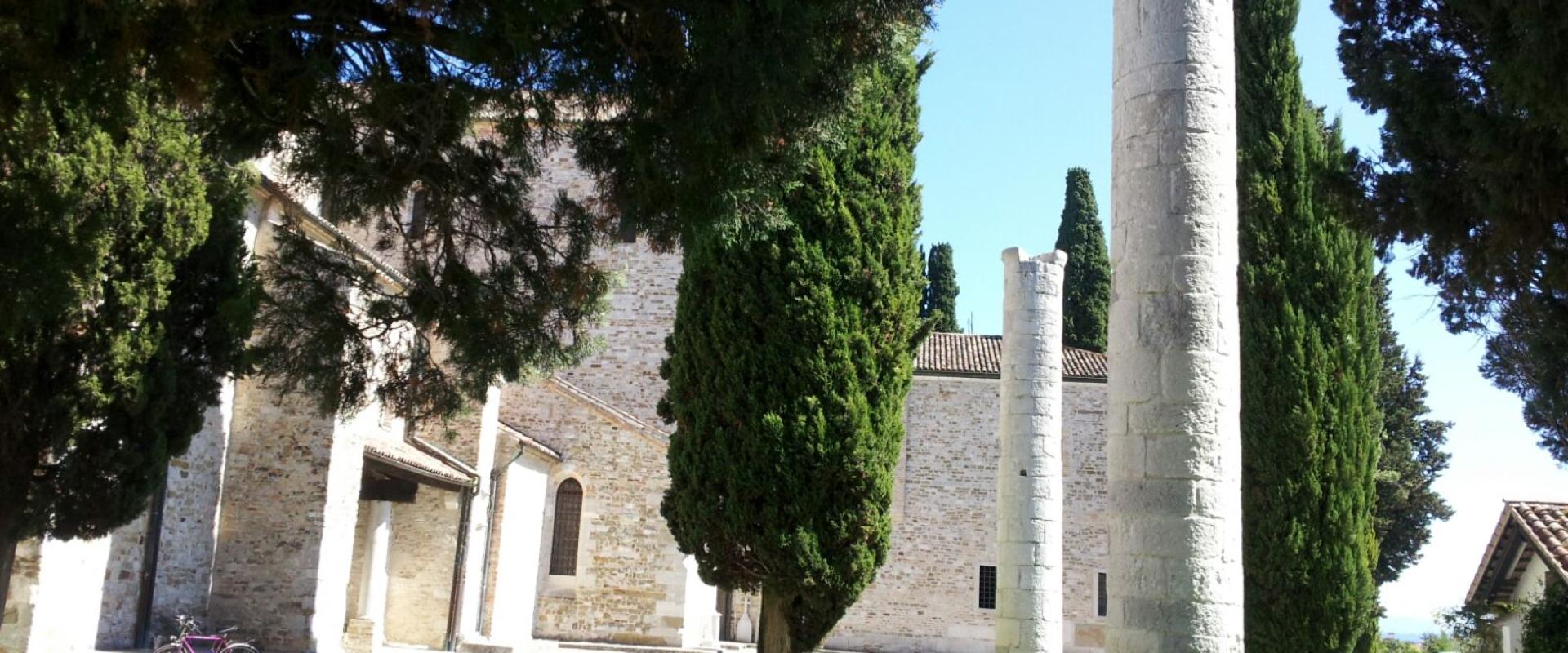
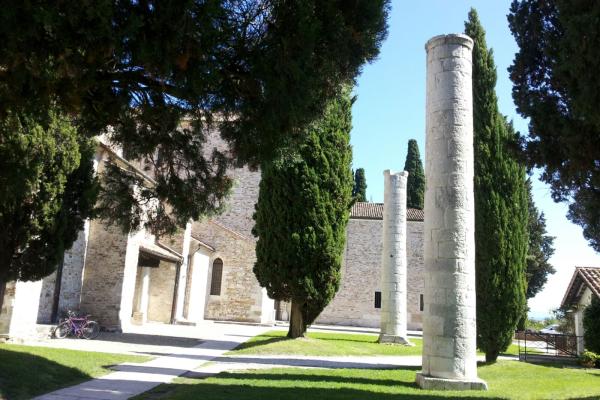
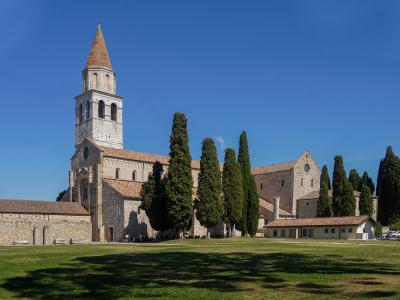
The Patriarch’s Palace, also called the Patriarchs' Palace, belongs to the Archaeological Area of Aquileia in Friuli-Venezia Giulia, in northeastern Italy. The area is a UNESCO World Heritage Site, inscribed for the remains of the Roman city and for the early Christian buildings that followed it. The ecclesiastical part of that landscape lies around the Patriarchal Basilica, where the Bishop of Aquileia and later the Patriarchs held authority over the surrounding region.
Aquileia became a Christian centre early. From the fourth century its bishops were among the most important in northern Italy, and Bishop Theodorus is credited with building the first great church complex here, whose mosaic floors can still be seen in the basilica area. By the Middle Ages the bishops had become Patriarchs of Aquileia, with spiritual authority over a large territory and, from the eleventh century, real political power as well. Patriarch Poppo rebuilt the basilica in the early eleventh century and added the tall bell tower, and the Patriarchs ruled a state of their own until Venice took over in 1420. The seat of power later moved to Udine.
The complex around the basilica includes the Baptistery, the remains of the Bishop's palace, and the Domus of Titus Macro, a Roman house with mosaic floors. Together they show the layers of the site, from Roman foundations to early Christian building and medieval changes. Mosaics from the fourth and fifth centuries are the most valued feature, with geometric patterns and scenes of the sea, birds and fish, and they are among the most important early Christian floors in Europe. A frescoed crypt beneath the basilica adds a medieval chapter.
Admission is generally handled through a ticket for the archaeological park, and reduced rates and school visits are arranged. Hours change with the season, and they differ between Monday to Friday and Sundays, so check the schedule before travelling. Group visits usually need to be booked ahead.
The visit rewards a slow pace. Walk first through the basilica, then continue to the excavated areas and the Baptistery, and finish at the National Archaeological Museum, which explains the finds. Visitors will find the ground flat, and the walk between the sites is short, so the area suits families and visitors of all ages. Late spring and early autumn have the best weather, and the summer light on the stone is strong, so bring a hat and water.
Categories
More photos coming soon
Admission Fees
- Admission
- €12.00 full, €9.00 groups (15+), free for school
Hours and prices change, especially out of season. Check with the venue before you go.
Nearby Attractions
Other places to visit in Aquileia
Archaeological Park of Aquileia
National Archaeological Museum with ancient Roman mosaics
Ancient Ruins · Archaeological Museums
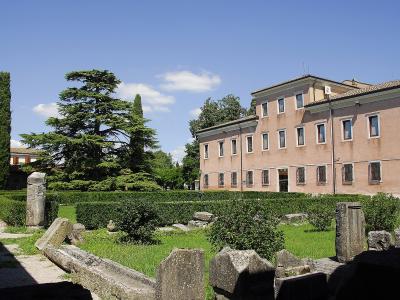
National Archaeological Museum of Aquileia
1882 museum in Villa Cassis Faraone
History & Heritage · Archaeological Museums
Aquileia Birdwatching Center
Birdwatching center in UNESCO heritage wetlands
Museums & Culture · Natural Wonders
Parco della Villa Imperiale
Imperial Roman villa ruins in Aquileia
History & Heritage · Natural Wonders
Questions people ask
Quick Facts
€12.00 full, €9.00 groups (15+), free for school
Best Time to Visit
Visit in April to June or September to October for mild weather and fewer crowds.