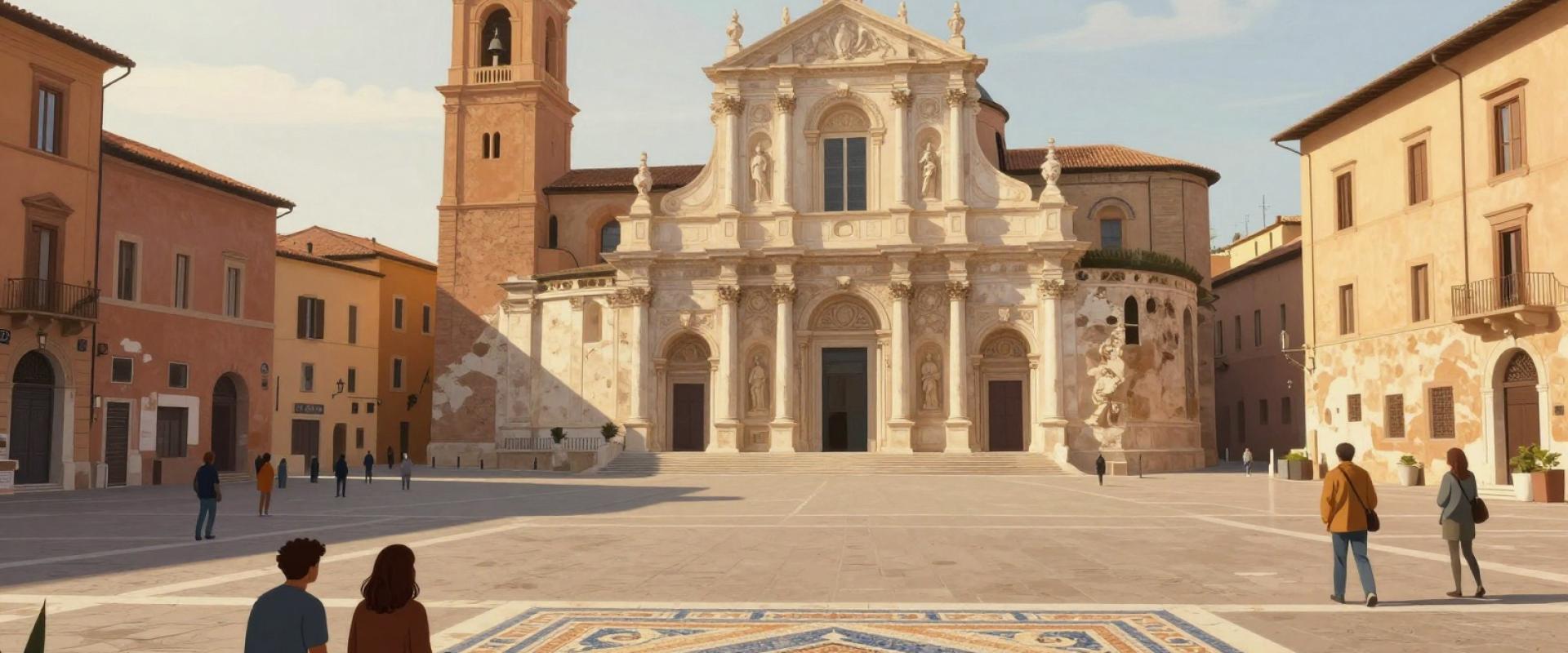
AI-generated illustration
•
AI-generated illustration
Extended Aquileia Experience
3-day Roman ruins and basilica mosaics tour
3 days
•
Moderate difficulty
•
Est. €203
Day 1: Imperial Ruins and Ancient Mosaics
Day 1 focuses on the core archaeological highlights, starting with the vast Roman Forum and the Imperial Villa, followed by the stunning mosaics of the Patriarchal Basilica and the Patriarch's Palace.
-
09:00
Archaeological Park of Aquileia (Roman Forum)
Explore the extensive ruins of the Roman Forum, the city's political and commercial heart. Walk through the basilica, curia, and temples to visualize ancient Roman life.
-
10:30
Parco della Villa Imperiale
Visit the ruins of the Imperial Villa, a luxurious residence from the 1st-2nd century AD, featuring impressive peristyles and mosaic fragments.
-
11:30
Patriarchal Basilica of Aquileia
Admire the 4th-century basilica, famous for its vast and intricate early Christian mosaic floors depicting animals, birds, and biblical scenes.
-
13:00
Lunch in Piazza della Repubblica
Enjoy a traditional Friulian lunch at a local trattoria near the historic square.
-
14:30
Patriarch's Palace
Explore the UNESCO-listed palace adjacent to the basilica, housing the Treasury and more 5th-century mosaic floors.
-
15:30
House of the Animal Mosaics
View one of the largest and best-preserved early Christian mosaic floors in the West, featuring detailed animal motifs.
-
16:30
Porta Nigra
See the well-preserved Roman city gate, a striking example of Roman military architecture.
Meals:
Lunch at Piazza della Repubblica area
Where to stay: Stay in Aquileia town center for easy access to ruins and restaurants.
Getting around: Most sites are within walking distance of each other in the archaeological zone.
Day 2: Roman Villas and Local Flavors
Day 2 explores the residential side of Roman Aquileia with the House of the Fisherman and the National Museum, followed by a cultural evening of wine tasting.
-
09:30
House of the Fisherman
Discover a Roman villa famous for its fish-themed mosaics, offering insight into the daily life and diet of ancient Aquileia.
-
10:30
National Archaeological Museum of Aquileia
Visit the museum in Villa Cassis Faraone to see artifacts, sculptures, and mosaics extracted from the site, providing historical context.
-
12:30
Lunch near the Museum
Light lunch or picnic near the museum or back in town.
-
14:00
Piazza della Repubblica
Stroll through the main square, visiting the Baptistery and enjoying the relaxed atmosphere of the small town.
-
15:30
Local Wine Tasting
Visit a historic cellar for a tasting of local Friuli wines, such as Friulano or Ribolla Galla, paired with regional cheeses.
Meals:
Lunch at Near National Archaeological Museum
Where to stay: Stay in Aquileia town center.
Getting around: Walking is sufficient; consider a taxi or short drive if tired from museum walking.
Day 3: Wetlands, Birds, and Coastal Relaxation
Day 3 shifts focus to nature, exploring the UNESCO wetlands and the nearby lagoon of Grado, offering a break from the ruins.
-
09:00
Aquileia Birdwatching Center
Start the day at the birdwatching center to learn about the local ecosystem and spot migratory birds in the wetlands.
-
11:00
Lagoon of Grado and Aquileia Wetlands
Take a guided boat tour or walk along the boardwalks of the 16,000-hectare wetland area, a haven for biodiversity.
-
13:00
Seafood Lunch in Grado
Travel to nearby Grado (the 'Pearl of the Adriatic') for fresh seafood lunch by the sea.
-
14:30
Basilica di Santa Maria Assunta (Grado)
Visit the historic basilica in Grado, known for its Byzantine influences and beautiful mosaics.
-
16:00
Grado Beach Walk
Relax with a stroll along the sandy beaches of Grado or visit the small old town streets.
Meals:
Lunch at Grado Seafront
Where to stay: Option to stay in Grado for a beach vibe or return to Aquileia.
Getting around: Car or bus recommended for the trip to Grado and wetland access points.
Practical Information
Aquileia is best visited during the shoulder seasons of spring (April to June) and autumn (September to October) to avoid the intense heat and crowds of peak summer. While summer offers long daylight hours for exploring the extensive archaeological park, the high temperatures can make walking among the ruins uncomfortable. Winter visits are possible but require preparation for cooler, potentially rainy weather, though the site remains accessible and significantly quieter.
Reaching Aquileia is straightforward via train from major hubs like Venice or Trieste. The station is located just outside the historic center, making it a short walk or bus ride to the main attractions. Once in town, the compact nature of the historic center allows for easy exploration on foot. The archaeological sites are spread out, so comfortable walking shoes are essential. For those wishing to explore nearby Grado or the lagoon, local buses or rental cars provide flexibility, though parking can be limited in the town center during peak hours.
Accommodation options range from boutique hotels in the historic center to agriturismos in the surrounding Friuli countryside. Staying within walking distance of the Basilica and the archaeological park allows for early morning or late evening visits when crowds are minimal. For a more immersive experience, consider lodging in nearby Grado, which offers beachside hotels and a vibrant dining scene, while still being only a short drive from Aquileia’s ruins.
Budget considerations should account for entry fees to the Archaeological Area and the National Archaeological Museum, which are separate but often bundled with the Basilica visit. Dining costs vary, with local trattorias offering affordable regional specialties like risotto and seafood. Budget travelers can maximize their experience by focusing on the free outdoor ruins and the stunning mosaics, which are often included in the main ticket.
Pack lightweight, breathable clothing for summer and layers for cooler months. A hat, sunscreen, and sturdy walking shoes are mandatory for navigating the uneven terrain of the excavations. Bring a refillable water bottle, as fountains are available, and a camera with good low-light capabilities for the Basilica’s interior. Finally, carry cash for small purchases at local markets or cafes, as some smaller establishments may not accept cards.
Book your stay
More Itineraries
7 days
Apulia Highlights Tour
7-day Apulia tour: Lecce, Salento wine, and coastal villages
View Itinerary →