







- Where
- Aquileia, Friuli Venezia Giulia
- Directions
- Directions
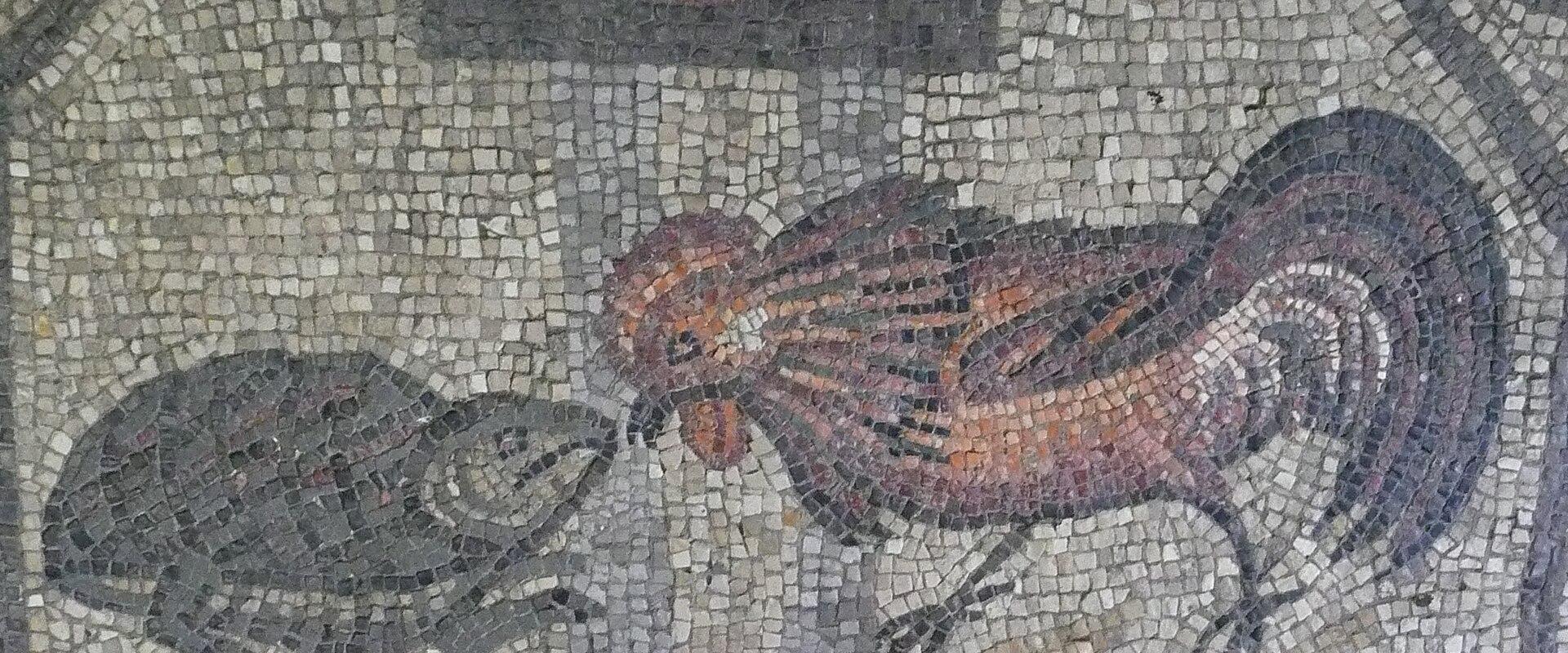
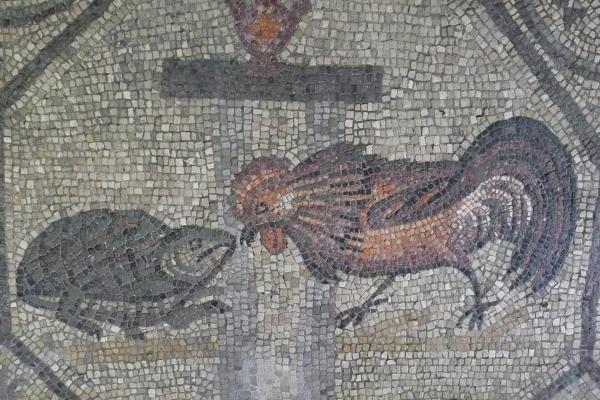
The House of the Animal Mosaics is an ancient Roman domus in Aquileia, in the Friuli-Venezia Giulia region of Italy, famed for mosaic floors with animals. The largest early Christian mosaic floor in the West belongs to the neighbouring Basilica of Aquileia, and the house is best understood against the wider tradition of Roman house mosaics in the city.
Aquileia was among the richest cities of the Roman Empire in northern Italy, and its wealthy families decorated their houses with mosaic floors for centuries. Local workshops produced geometric carpets of squares, circles and interlaced bands in black and white and later in colour, and they added figured panels. Animals were a favourite subject. Birds, fish, hares, and mythical or exotic creatures appear in borders and medallions, often in lively poses. Such floors were laid out with thousands of small stone cubes, called tesserae, in marble and limestone of different colours, and the craft reached a high level here.
The mosaics are important documents, because they show the tastes, beliefs and skills of the city's inhabitants. Animals could mean luck, abundance or protection, and they link the private world of the house to the wider decorative language of the Roman Empire. Aquileia's mosaics are often compared with the work done in Rome and other major centres, and their quality reflects the city's contacts across the Mediterranean.
The house lies in the archaeological area, close to the Basilica of Aquileia, which is also part of the UNESCO World Heritage Site, so it fits naturally into a day of exploring the town. Visitors normally walk around the preserved floors on raised paths or from the edge of the excavation, and they can see how the mosaics are laid out across the rooms. Protective covers and walkways help preserve them, and photography is usually permitted without flash.
For the finest examples of Aquileia's floors, visitors should combine this stop with the Patriarchal Basilica and the National Archaeological Museum, which holds mosaics and other finds removed from houses and public buildings. Together they give the fullest picture of the city's artistic life. The Archaeological Park is flat and walkable, and the whole circuit can be done in a morning or an afternoon.
Check the opening arrangements locally before you go, because access to excavation areas varies. Comfortable shoes and sun protection are useful, and an early start in summer helps avoid the heat. Anyone with an interest in Roman daily life and decorative art will find it rewarding to see the pieces in their original setting, since a mosaic reads very differently on the floor of a room than in a museum case. The site also gives a sense of how a provincial Roman city used art to show its wealth.
Categories
More photos coming soon
Nearby Attractions
Other places to visit in Aquileia

Archaeological Park of Aquileia
National Archaeological Museum with ancient Roman mosaics
Ancient Ruins · Archaeological Museums
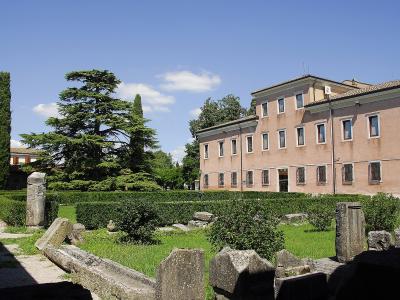
National Archaeological Museum of Aquileia
1882 museum in Villa Cassis Faraone
History & Heritage · Archaeological Museums
Aquileia Birdwatching Center
Birdwatching center in UNESCO heritage wetlands
Museums & Culture · Natural Wonders
Patriarch's Palace
UNESCO site with 5th-century mosaic floors
From €9 Ancient Ruins · Historic Churches
Questions people ask
Quick Facts
Best Time to Visit
Visit in April to June or September to October for mild weather and fewer crowds.