Is Rome a Good City to Visit Alone?
Rome is a popular and generally safe city for women travelling solo. The historic centre is compact and walkable, busy until late on most evenings, and eating alone in a trattoria or sitting at a bar counter is completely normal. The main problems visitors report are petty theft in crowded places and, sometimes, persistent unwanted attention, not violent crime. Planning for those two things covers most of what you need.
Choosing Where to Stay
Location matters more than the room. Staying somewhere central or close to a metro station means shorter walks after dark and less reliance on taxis.
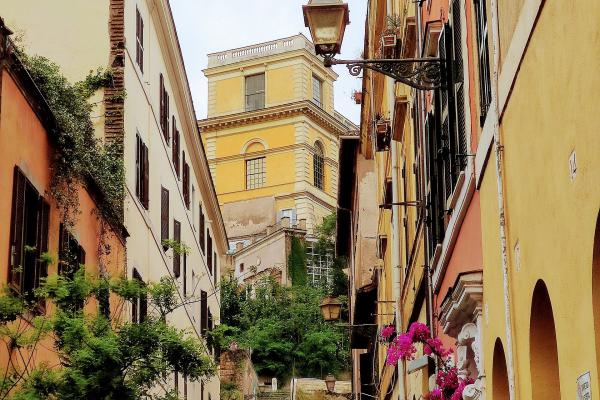
- Centro Storico (around the Pantheon, Piazza Navona and Campo de' Fiori) and Monti are walkable to most sights and stay busy in the evening.
- Trastevere is lively at night, with crowded streets until late; light sleepers should choose a room away from the main squares.
- Around Termini station accommodation is cheaper and transport links are excellent, but some streets nearby feel unpleasant late at night. If you stay there, pick a well-reviewed place on a busy street and read recent reviews from other solo women.
When booking, look for 24-hour reception or clear self check-in instructions, and read recent guest reviews for comments on the street and building at night. Many hostels offer female-only dorms if you prefer them.
Getting Around Day and Night
Rome's metro has three lines (A, B and C) and runs from early morning until late evening, with later service on Friday and Saturday nights. After the metro closes, night buses cover the main routes, though they can be infrequent. Check current times on the ATAC (Rome's transport operator) website or app before heading out.
For late returns, a taxi is often the simplest option. Use official Rome taxis, which are white and show a licence number and taxi sign, from a taxi rank or booked through an official taxi app or by phone. Avoid anyone offering a ride inside the airport or station arrivals halls. From Fiumicino and Ciampino airports to the centre, licensed taxis charge a fixed fare set by the city; confirm the amount before you get in.
Walking at night in the centre is generally fine on busy streets. As in any big city, avoid empty side streets and parks after dark, and know your route before you leave a restaurant so you are not stopping to check your phone on a quiet corner.
Pickpockets and Common Scams
Pickpocketing is the most common crime affecting visitors. Hot spots are crowded metro carriages, buses on the busiest tourist routes (especially towards the Vatican), Termini station, and packed sights such as the Trevi Fountain and Spanish Steps.
- Carry a cross-body bag that zips and keep it in front of you on transport.
- Keep your phone out of back pockets and off café tables near the street.
- Be wary of anyone who starts an unexpected interaction: a petition, a "free" bracelet tied onto your wrist, or a stranger offering help with a ticket machine.
- Keep a copy of your passport separately from the original, and carry only the cards you need.
Handling Unwanted Attention
Comments or attempts at conversation from men on the street are a common complaint. Most stop if ignored. A firm "no, grazie" and continuing to walk is usually enough. If someone persists or follows you, go into a shop, bar or hotel lobby and ask staff for help. Italy's single emergency number is 112, which connects to police, ambulance and fire services and can handle calls in English.
Dress Codes and Practical Details
There is no special dress code for women in Rome generally, but churches enforce one. St Peter's Basilica, the Vatican Museums and many other churches require shoulders and knees to be covered and may refuse entry otherwise. A light scarf or shawl in your day bag solves this in summer.
Other useful points:
- Tap water is safe to drink, and the city's public drinking fountains (nasoni) let you refill a bottle for free.
- Pharmacies are marked with a green cross, and pharmacists can advise on minor problems.
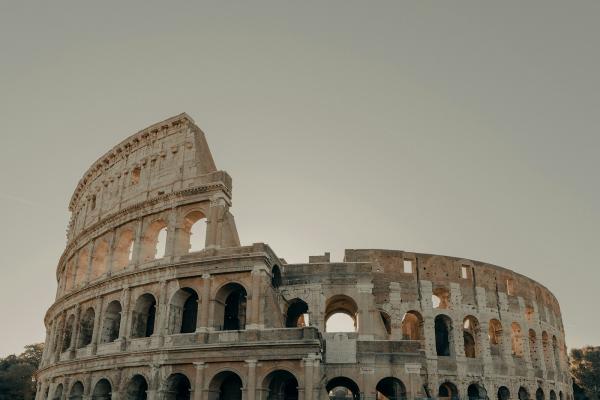
- Pre-book timed tickets for the Colosseum and Vatican Museums; queuing alone for hours is tiring, and booked slots mean you can plan the rest of your day around them.
Meeting People
Travelling alone does not have to mean spending every evening alone.
- Walking tours and food tours are an easy way to spend a few hours with other travellers, and many people go for an aperitivo together afterwards.
- Cooking classes that teach fresh pasta or Roman dishes are sociable and end with a shared meal.
- Hostels and guesthouses with common areas often organise evening events.
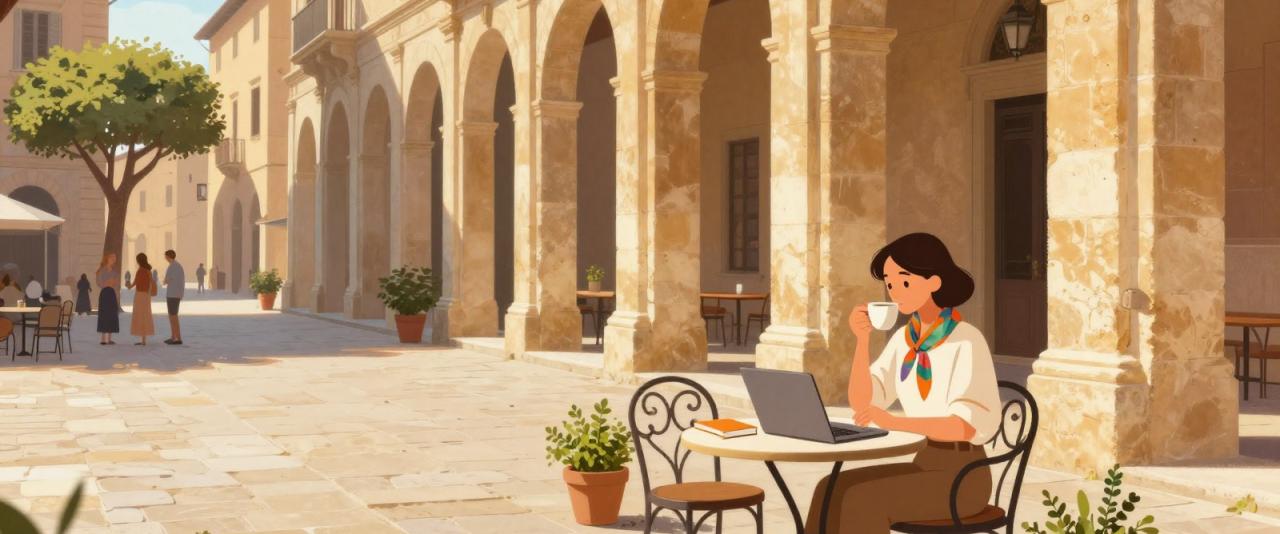
- Aperitivo hour, roughly early evening, is a relaxed time to sit at a bar counter with a drink and snacks, and you will not look out of place on your own.
Rome rewards slow exploration, and visiting alone means you can set your own pace: early mornings before the crowds, long lunches, and evenings walking through lit-up piazzas.