







- Where
- Venice, Veneto and the Dolomites
- Directions
- Directions
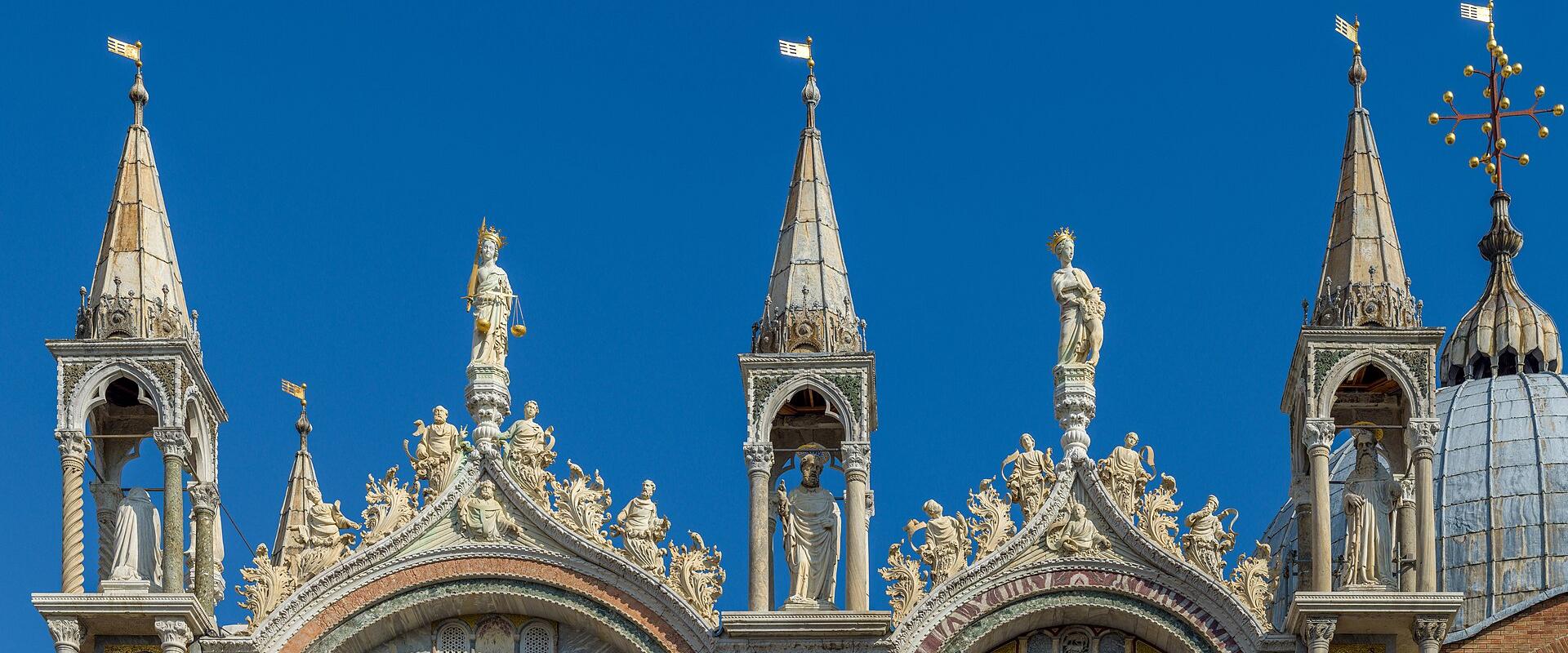
St. Mark's Basilica, the Basilica di San Marco, closes the east end of St. Mark's Square and is the most distinctive church in Venice. It began as the chapel of the doge, built beside the Doge's Palace to house the body of St. Mark the Evangelist, which Venetian merchants brought from Alexandria in the early ninth century. The present building was begun in 1063 and consecrated in 1094, and it was richly enlarged and decorated over the following centuries. It only became the cathedral of Venice in 1807, taking over from San Pietro di Castello, and it belongs to the Roman Catholic Archdiocese of Venice.
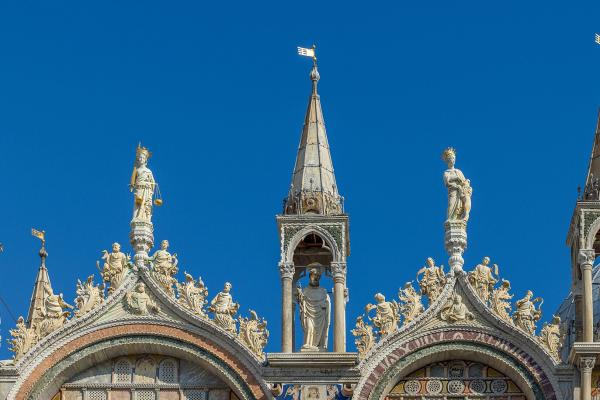
The plan is a Greek cross under five domes, in a style often called Italo-Byzantine, and it was modelled on the lost Church of the Holy Apostles in Constantinople. The facade has five large arched portals, a gallery of copies of the bronze horses that were taken from Constantinople after the sack of 1204, and mosaics, columns and carved marble that were brought back from across the Mediterranean and Europe as trophies. The original horses are kept inside in the museum, where they can be seen close up.
The interior is covered in gold-ground mosaics, some eight thousand square metres in all, showing stories from the Old and New Testaments, saints and the life of St. Mark, telling the story of Christianity in pictures. They were made over several centuries, so they range in style from Byzantine to Renaissance, and the golden glow in the domes is the effect that gives the church its nickname, the Golden Basilica. Underfoot the marble floor rolls and dips, partly because the building has settled on the lagoon mud. Behind the high altar the Pala d'Oro, a Byzantine-Venetian altarpiece of gold, enamel and gems, is shown for a separate fee, and the Treasury holds Byzantine and medieval objects, many taken from Constantinople.
The museum upstairs leads onto the loggia above the entrance, from which you can look down over St. Mark's Square and toward the lagoon, and see the horses at close quarters. The church belongs to the historic area of Venice and its Lagoon, which is a UNESCO World Heritage Site.
Opening times change with the season and with services. The basilica is an active place of worship, so shoulders and knees must be covered, large bags are not allowed inside, and photography is restricted. Queues build up in the square, particularly in summer and around midday, so reserving a timed visit in advance or arriving early is the best plan. Allow about an hour for the church, plus time for the museum and the Pala d'Oro. The Doge's Palace next door continues the story of the Venetian Republic and is well worth visiting afterward.
More photos coming soon
Nearby Attractions
Other places to visit in Venice
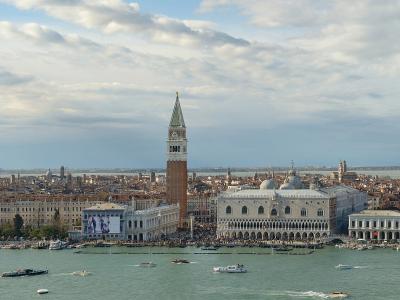
St. Mark's Square (Piazza San Marco)
Venice's principal square, the drawing room of Europe
Historic Churches · Historic Districts
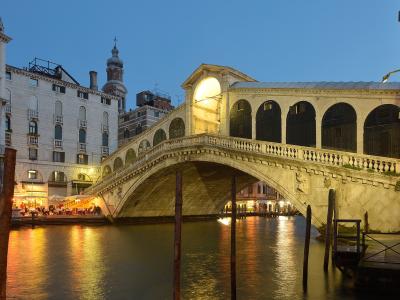
Rialto Bridge (Ponte di Rialto)
Oldest Grand Canal bridge spanning Venice since the 12th century
Architectural Monuments · Historic Bridges
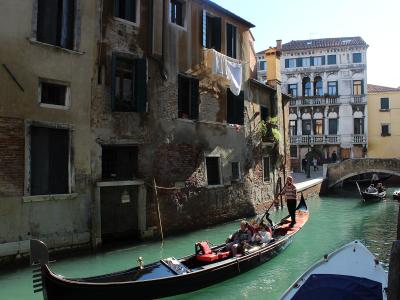
Venetian Gondola Ride
Traditional wooden boat navigating Venice's canals
From €90 Boat Tours · Cultural Tours
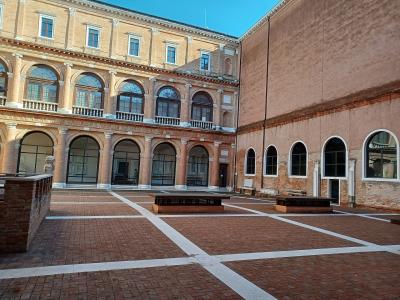
Gallerie dell'Accademia
World’s premier Venetian painting collection
From €2 History & Heritage · Museums & Culture
Questions people ask
Quick Facts
Best Time to Visit
Visit in April to June or September to October for mild weather and fewer crowds.