







- Where
- Venice, Veneto and the Dolomites
- Directions
- Directions
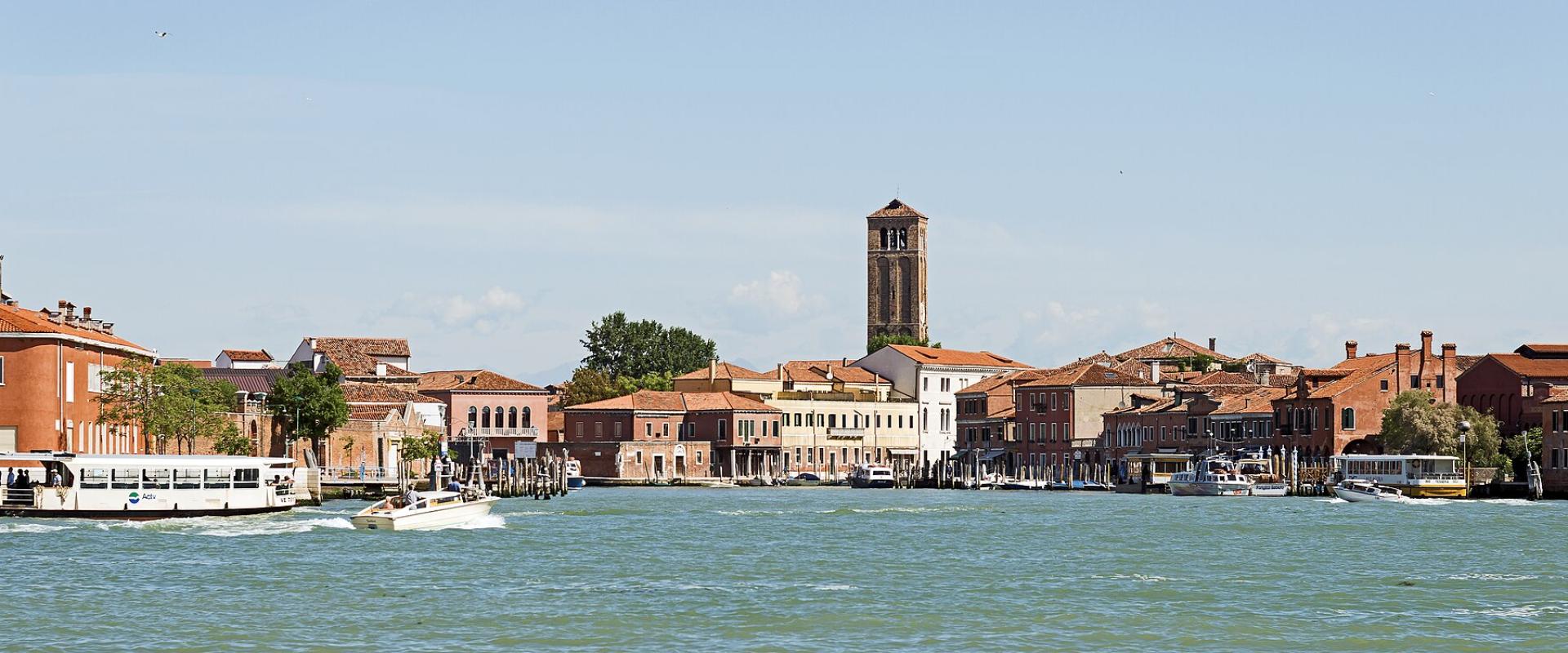
Murano is a small group of islands in the Venetian Lagoon, about 1.5 kilometres north of the main part of Venice, and it has been the centre of Venetian glassmaking for more than seven centuries. Glass was made in the city itself earlier, but in 1291 the Republic, ruled by the Doge, ordered the furnaces moved to Murano. The official reason was fire, since the kilns threatened a city built largely of timber, but the move also let the authorities keep a close watch on the craftsmen and on the trade secrets that made Venetian glass valuable across Europe.
The master glassmakers held an unusual position. They were valued so highly that they were granted privileges, including the right to wear swords, and the Republic did not let them leave freely, for fear they would carry their techniques abroad. Over the centuries Murano workshops developed clear cristallo glass, milky lattimo, enamelled glass, glass beads, mosaic tesserae and the patterned millefiori, and the island’s name became a byword for quality. Murano had its own local government for a long time, and the town kept a distinct identity within the lagoon, with a population of around five thousand today.
A visit usually follows the Rio dei Vetrai, the Glassmakers’ Canal, and the nearby streets where furnaces open their doors to show a demonstration of glassblowing, often a short display in which a gather of molten glass is shaped into a vase or a small animal. Shops sell everything from chandeliers to jewellery, and it helps to know that there is a wide range in quality, with a lot of imported imitation in the cheaper stores. The Museo del Vetro, the glass museum, is housed in a former palace and traces the story of the craft from antiquity to the present, which gives context for what you see in the workshops.
The Church of Santa Maria e San Donato is the island’s most important monument, a Veneto-Byzantine basilica of the 12th century with a remarkable mosaic floor in geometric and animal patterns and a graceful apse seen best from the canal side. The island is reached by public water bus from Venice, and the ride across the lagoon is part of the experience. Murano suits anyone interested in crafts and design, and it is a calmer place than central Venice for a few hours, especially earlier in the day. Combine it with a stroll along the quiet canals and a lunch away from the main shopping streets.
Categories
More photos coming soon
Nearby Attractions
Other places to visit in Venice
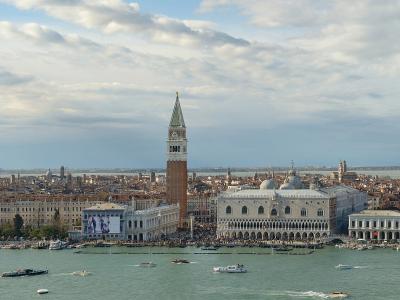
St. Mark's Square (Piazza San Marco)
Venice's principal square, the drawing room of Europe
Historic Churches · Historic Districts
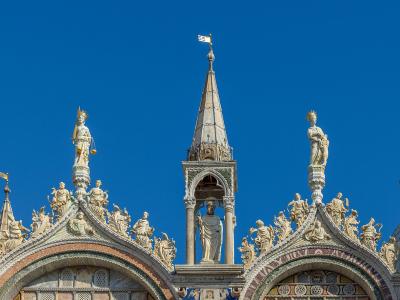
St. Mark's Basilica
12th-century Byzantine basilica with golden mosaics
Architectural Monuments · Cultural Tours
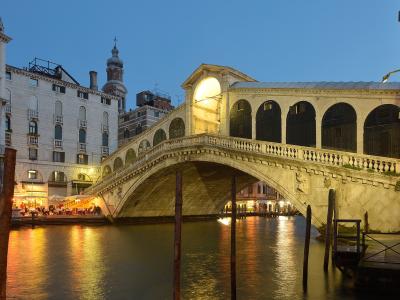
Rialto Bridge (Ponte di Rialto)
Oldest Grand Canal bridge spanning Venice since the 12th century
Architectural Monuments · Historic Bridges
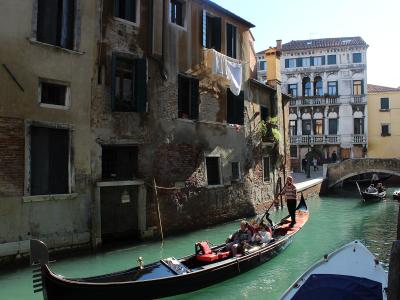
Venetian Gondola Ride
Traditional wooden boat navigating Venice's canals
From €90 Boat Tours · Cultural Tours
Questions people ask
Quick Facts
Best Time to Visit
Visit in April to June or September to October for mild weather and fewer crowds.