







- Where
- Venice, Veneto and the Dolomites
- Directions
- Directions
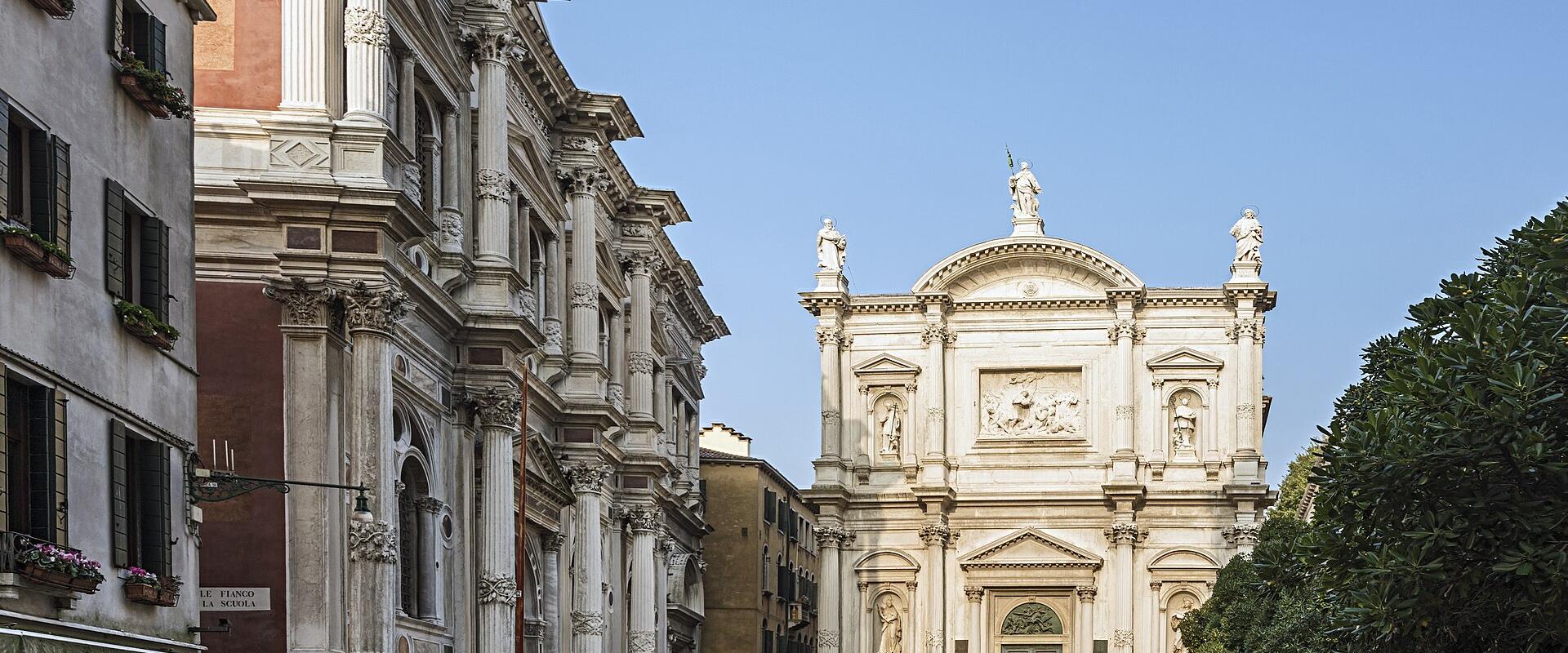
The Scuola Grande di San Rocco is a confraternity hall in the San Polo district of Venice, beside the great Franciscan church of the Frari, and it holds one of the largest cycles of paintings by a single artist anywhere in Europe. The painter is Tintoretto, and Tintoretto’s scale and drama here have earned the building the nickname of the Sistine Chapel of Venice. The Scuola was the seat of the Confraternity of St. Roch, a charitable brotherhood, one of the six great confraternities of the Republic, founded in 1478 and devoted to Saint Roch, the saint invoked against the plague. It looked after the sick and the poor, and its members, many of them wealthy citizens, funded a building to match their ambitions.
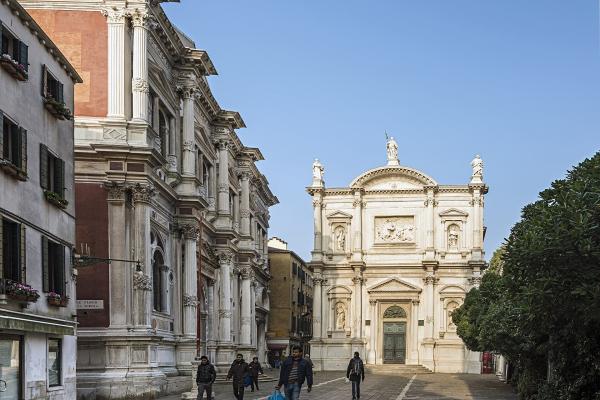
The construction of the hall began in the early 16th century under Bartolomeo Bon, and was continued by Antonio Scarpagnino, with later work by Sante Lombardo and Giangiacomo dei Grigi, and the building was largely complete by 1560. Its white marble facade, with paired columns and carved decoration, is among the most elaborate of the Venetian Renaissance. Inside, the monumental staircase and the two great halls are lined with paintings, and the effect is overwhelming even before looking closely.
In 1564, the brotherhood held a competition for the decoration of the Sala dell’Albergo. Tintoretto, instead of submitting a sketch like the other contenders, arrived with a finished painting of Saint Roch already installed in the ceiling, and won the commission. He went on to work for the Scuola for nearly a quarter of a century. The upper hall, the Sala Superiore, has ceiling panels of Old Testament scenes and walls of New Testament subjects, painted with strong contrasts of light and dark, with swirling movement. The ground-floor hall, the Sala Terra, has a cycle on the life of the Virgin, ending in a quieter mood. The Crucifixion in the Sala dell’Albergo is often called his masterpiece.
Because so many paintings are on the ceiling, visitors can borrow mirrors at the entrance to look at them without straining their necks. The halls are also hung with works by other artists, including Titian, and a quiet atmosphere helps one linger. Visitors need tickets, and it is wise to book in advance to avoid queues; check the official site for opening times and prices, which change by season. The building is easily reached on foot from the Frari church, which holds paintings by Titian and Bellini, and from other sights in San Polo.
The Scuola suits those interested in art history, and those who would like to see how a Venetian painter combined religious drama with the practical needs of a charitable brotherhood. Plan an hour or more, and bring a sense of patience, since the paintings reward slow looking, from the great Crucifixion to the smaller panels along the staircase.
Categories
More photos coming soon
Nearby Attractions
Other places to visit in Venice
St. Mark's Square (Piazza San Marco)
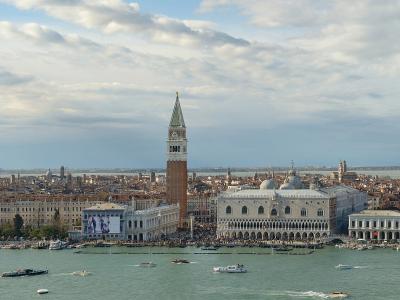
Venice's principal square, the drawing room of Europe
Historic Churches · Historic Districts
St. Mark's Basilica
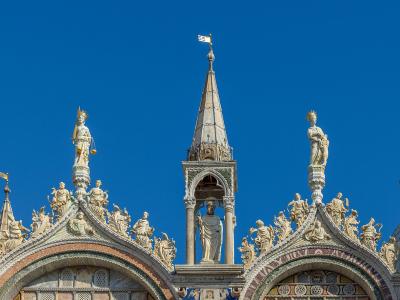
12th-century Byzantine basilica with golden mosaics
Architectural Monuments · Cultural Tours
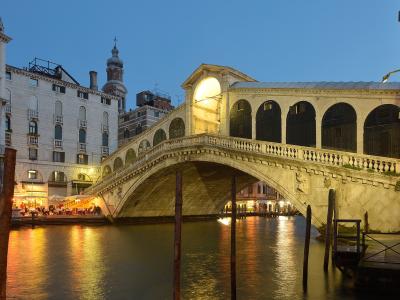
Rialto Bridge (Ponte di Rialto)
Oldest Grand Canal bridge spanning Venice since the 12th century
Architectural Monuments · Historic Bridges
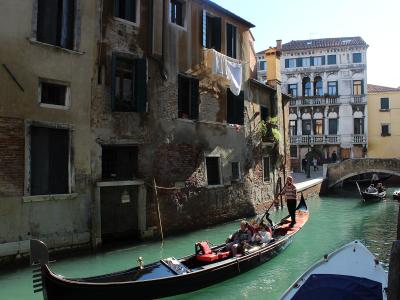
Venetian Gondola Ride
Traditional wooden boat navigating Venice's canals
From €90 Boat Tours · Cultural Tours
Questions people ask
Quick Facts
Best Time to Visit
Visit in April to June or September to October for mild weather and fewer crowds.