







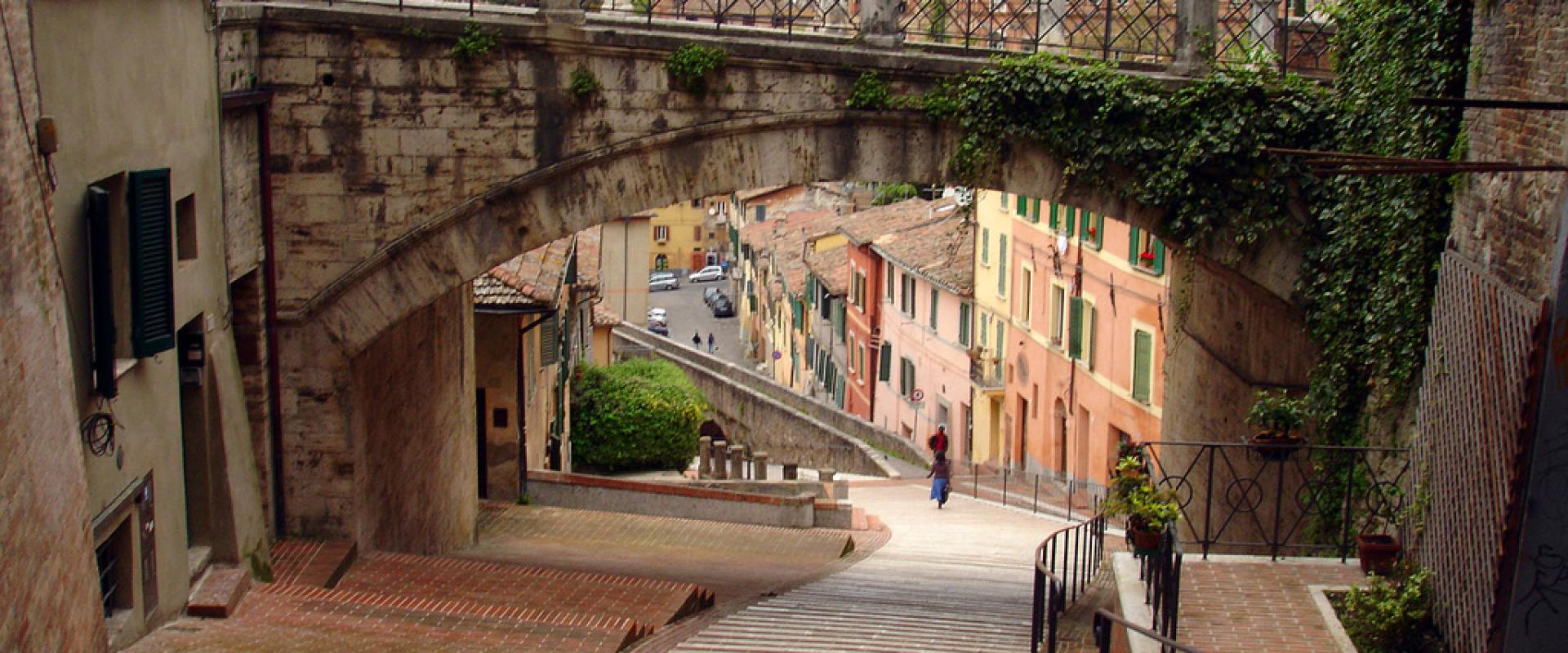
Medieval Streets of the Historic Center
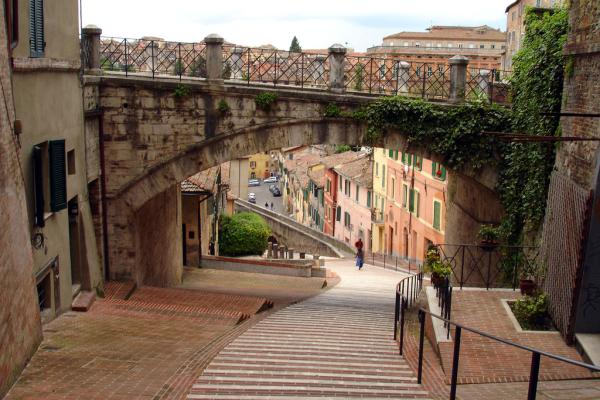
Medieval streets and arches in Perugia's historic center
- Where
- Perugia, Umbria and Marche
- Directions
- Directions
The Medieval Streets of the Historic Center of Perugia, an Italian hill city in Umbria, wind across a ridge above the Tiber valley, and the historic centre has kept the shape it took in the Middle Ages, when the city was a powerful independent commune. The old streets climb and plunge between buildings of pale stone, passing under arches, through covered passages and down flights of steps, so that walking in them is a continual change of level and view. The Etruscans made Perugia an important city, and part of their walls and a monumental gate, the Etruscan Arch, still stand, while the medieval layer rests directly on top of them, giving the town a strong sense of layered history.
The main street is Corso Vannucci, a broad pedestrian avenue lined with palaces, shops and cafes that serves as the city’s evening promenade, but the more interesting walking is in the narrow lanes that branch from it. Via dei Priori runs steeply downhill, past medieval houses and under the Arco di San Luca, and Via Maestà delle Volte passes under a series of vaults and arches from the 13th century that make a dim, atmospheric tunnel. Small piazzas open unexpectedly, and from many corners there are sweeping views over the Umbrian countryside and the distant hills. The ancient walls and gates, and the Rocca Paolina, a huge Renaissance fortress whose underground streets can be visited, are part of the same story.
The civic centre of the old city is Piazza IV Novembre, where the Fontana Maggiore, completed in 1278 with sculpture by Nicola and Giovanni Pisano, stands before the cathedral and the grand Palazzo dei Priori, the medieval town hall. Inside the Palazzo is the Collegio del Cambio, the hall of the money-changers’ guild, decorated in the late 15th century with frescoes by Perugino, one of the great painters of the Renaissance and the teacher of Raphael. The Basilica of San Domenico, begun in the early 14th century with Romanesque and Gothic elements and later remodelled, is the largest church in Umbria and houses fine tombs and a great stained-glass window.
These streets are public and free, and can be walked at any time, and they are best explored on foot, preferably with comfortable shoes, since the slopes are steep. Perugia has escalators and a small automated metro that help with the climbs. The city is also known for chocolate, and a stop at one of the chocolate shops is a pleasure. The streets suit anyone interested in medieval and Etruscan history, in architecture, and in walking through a historic town, and an evening walk when the lights are on is especially evocative. Nearby, the Cascata delle Marmore, the huge waterfall near Terni, is a possible excursion.
Categories
More photos coming soon
Nearby Attractions
Other places to visit in Perugia
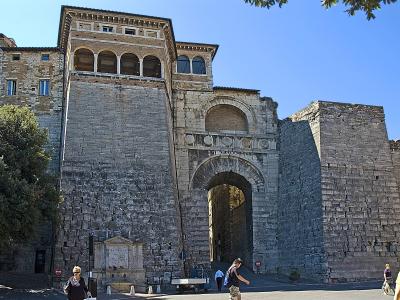
Etruscan Arch (Arco Etrusco)
Etruscan city gate with the Roman inscription Augusta Perusia
Free Architectural Monuments · Historic Gates
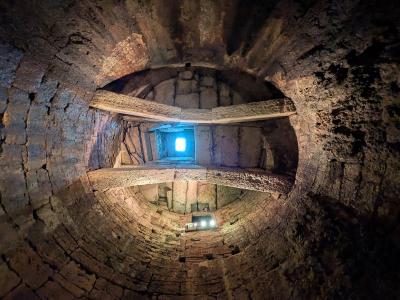
Etruscan Well (Pozzo Etrusco)
Etruscan well beneath Perugia's old town
Architectural Monuments · Historic Districts
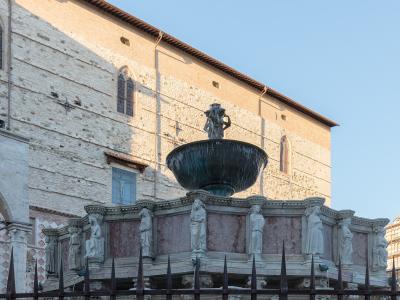
Fontana Maggiore
Medieval marble fountain with bronze basin in Perugia
Architectural Monuments · Historic Fountains
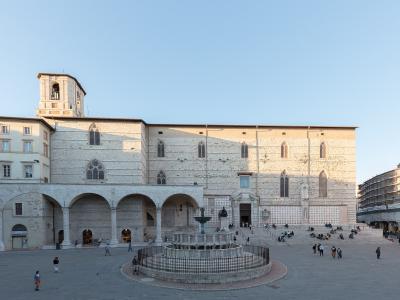
Piazza IV Novembre
Historic forum site with Fontana Maggiore
Free Architectural Monuments · Historic Districts
Questions people ask
Quick Facts
Best Time to Visit
Visit between April and June or September and October for mild temperatures and fewer crowds.