







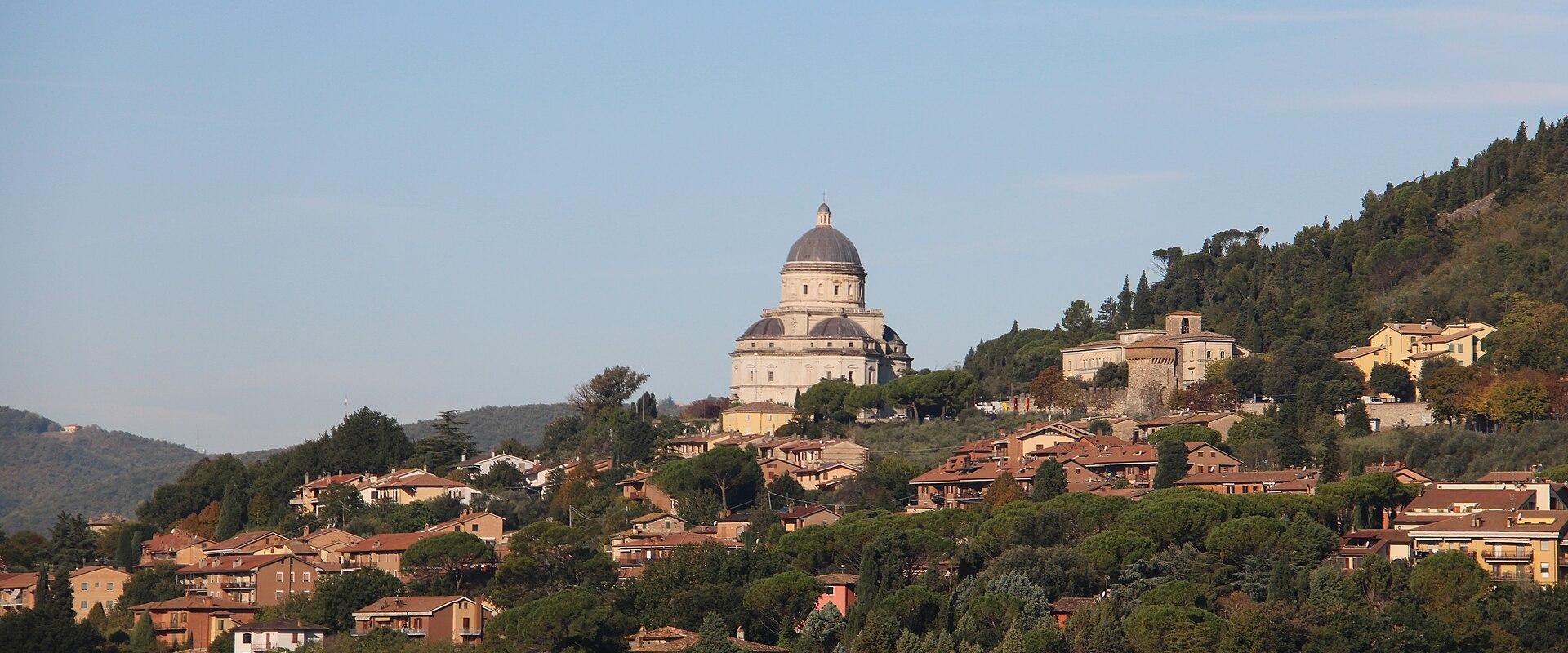
Todi
Hilltop Umbrian town with panoramic views, medieval palace, and Etruscan roots
Todi’s history goes back to the Etruscan period, when it was known as Tuder, one of the twelve confederated cities of the Etruscan League. The town was later conquered by the Romans in 241 BC and became a significant colony. During the Middle Ages Todi developed into a powerful commune, often in conflict with neighbouring cities such as Perugia and Assisi. The town was ruled by various families over the centuries. The 13th and 14th centuries saw the construction of many of the town’s most iconic buildings, reflecting its wealth and political importance, and the poet Jacopone da Todi belongs to the same period. Today Todi preserves its historic centre, with three concentric rings of walls from its Umbrian-Roman, Roman, and medieval eras, which give a rare view of its layered past as a fortified stronghold and cultural centre.
The main attractions are centred on the historic centre and the panoramic viewpoints. Piazza del Popolo is the civic centre of the town, surrounded by the Palazzo del Capitano del Popolo, the Palazzo del Podesta, the Palazzo dei Priori, and the Cathedral of Santa Maria Assunta, the Duomo. The Palazzo del Capitano del Popolo, a 13th-century Gothic palace, houses the Civic Museum, with art and artefacts from the town’s history. The Cathedral, with its Romanesque and Gothic elements, has a beautiful facade and an interior with frescoes, including a large Last Judgment. The Church of San Fortunato, a masterpiece of Umbrian Gothic architecture, has a wide staircase and an interior with frescoes by Matteo da Gualdo and other artists, and the tomb of Jacopone da Todi lies in its crypt. Just below the town, a Renaissance church with a Greek-cross plan, the Tempio di Santa Maria della Consolazione, is a notable monument. The town’s elevated position offers wide views of the Tiber Valley and the surrounding hills, particularly from the Belvedere.
Activities in Todi include exploring the historic centre, visiting museums, and enjoying the local cuisine. The town is known for traditional Umbrian dishes, including wild boar ragù, pici pasta, and wines such as Orvieto. Visitors can take guided tours to learn about the history of the Trinci family and the town’s medieval period. The surrounding area offers hiking in the Umbrian countryside and visits to nearby hill towns such as Spello and Bevagna. Todi also hosts festivals and events through the year, including the Todi Jazz Festival and the Feast of San Fortunato. Shopping includes local ceramics, textiles, and food products. For those interested in history, guided tours explore the Etruscan, Roman, and medieval heritage of the city.
Getting to Todi is easiest by road. The town is reached by car from Perugia, about 50 kilometres away, via the SS3 and the E45. There is no main railway station in Todi itself; the nearest main stations are in Foligno and Perugia, with bus connections to Todi, and a small local railway also serves the area. For those flying, the nearest airports are Florence and Rome, with Perugia's airport also within reach.
The best time to visit Todi is from April to June or September to October, when the weather is mild and pleasant, ideal for outdoor attractions and historic sites. July and August are peak tourist months, with higher temperatures and larger crowds. Winter is cool but offers a quieter experience, with the town’s museums and cafes providing cultural entertainment. Despite the seasonal variations, Todi’s rich history and natural beauty make it a rewarding destination year-round.
Best time to visit
Visit between April and June or September and October for mild temperatures and fewer crowds.
What to see in Todi
Our picks first.
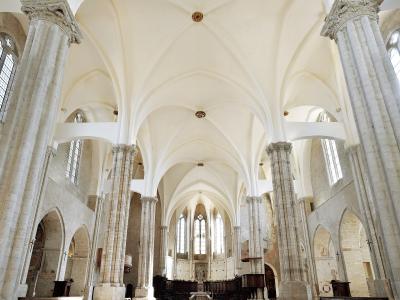
Chiesa di San Fortunato
Gothic-Renaissance church with panoramic Todi views
Architectural Monuments · Cultural Tours
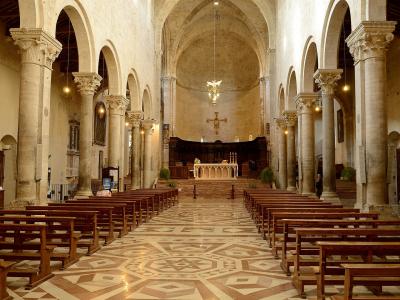
Duomo di Santa Maria Assunta
12th-century cathedral with Michelangelo-inspired frescoes
Architectural Monuments · Cultural Tours
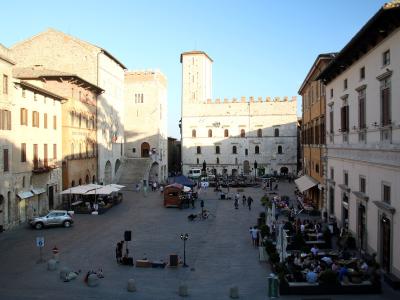
Palazzo dei Priori
14th-century Gothic palace housing the bronze Aquila di Todi
Architectural Monuments · Cultural Tours
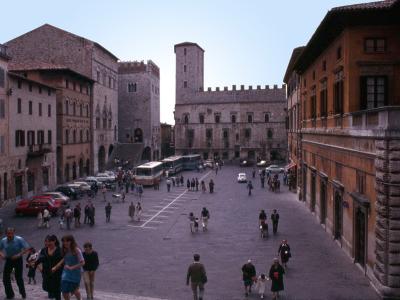
Piazza del Popolo
Roman forum site atop Nidoli hill
Historic Churches · Historic Palaces
Todi by interest
The same sights, grouped by what you came for.
Planning a visit to Todi
Good to know
- Currency
- EUR
- Language
- Italian
Quick Facts
Book your stay
Questions people ask
More places in Umbria and Marche
Umbria and Marche
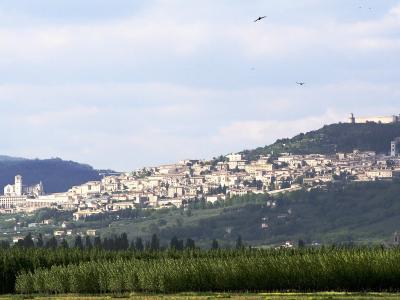
Assisi
UNESCO hilltop town in Umbria, birthplace of St. Francis
Umbria and Marche
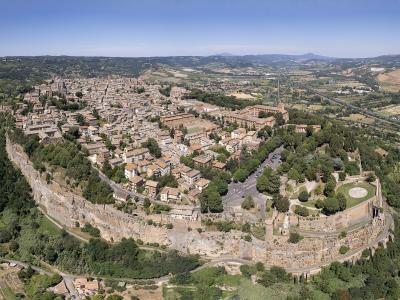
Orvieto
Volcanic tuff hill town in Umbria with Gothic cathedral and Etruscan wells
Umbria and Marche
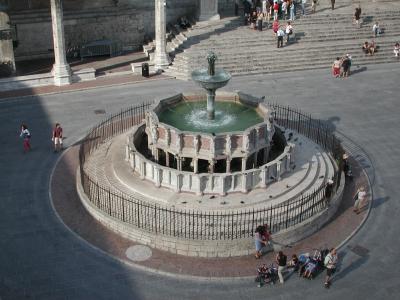
Perugia
Umbrian hill city with Etruscan walls, chocolate heritage, and jazz festival
Umbria and Marche
Urbino
UNESCO-listed Renaissance gem in Marche with Ducal Palace