







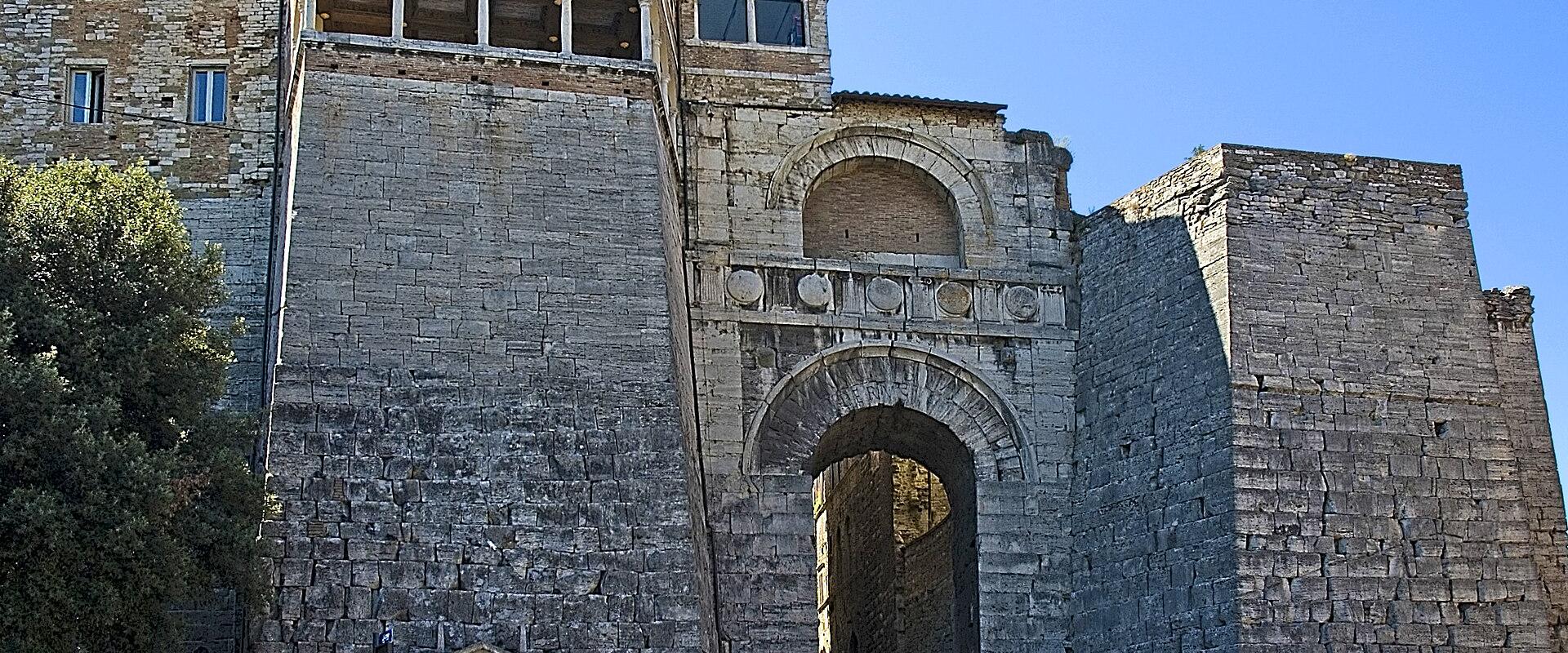
Etruscan Arch (Arco Etrusco)
Etruscan city gate with the Roman inscription Augusta Perusia
- Admission
- Free
- Hours
- Open 24 hours
- Where
- Perugia, Umbria and Marche
- Directions
- Directions
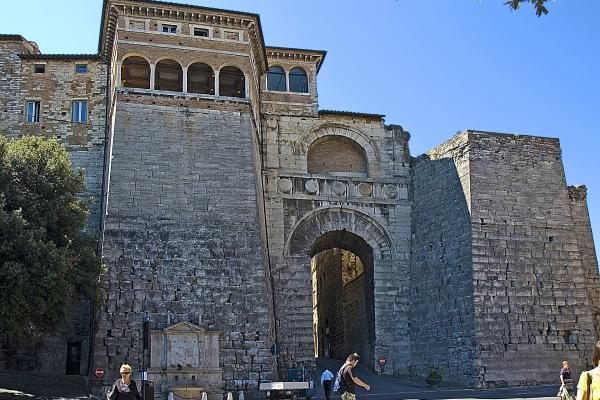
The Arco Etrusco, also called the Arco di Augusto, is the most imposing surviving gate of Perugia's Etruscan walls and one of the best-preserved Etruscan monuments anywhere. It was built in the late third century BC, when Perugia was one of the leading cities of the Etruscan league, and it still forms the northern entrance to the old town at Piazza Fortebraccio.
The gate is a massive construction of large travertine blocks: a tall central arch set between two trapezoidal towers. Above the arch runs the inscription AUGUSTA PERUSIA, added after the Perusine War of 41–40 BC, when Octavian, the future Emperor Augustus, besieged and burned the city and later had it rebuilt under his name. A second inscription, COLONIA VIBIA, records the colony status Perugia was given under the emperor Trebonianus Gallus in the third century AD. The left tower is crowned by a Renaissance loggia added in the sixteenth century, a reminder of how the city kept building on its ancient fabric.
Walking through the arch takes you uphill along Via Ulisse Rocchi towards the Duomo and Piazza IV Novembre, so it makes a natural start to a walk through the centre. Nearby you can also visit the Etruscan Well in the old town and the University for Foreigners, housed in Palazzo Gallenga, which faces the gate across the square.
Perugia is built on a hill, and the old town is a maze of steep lanes, stairways and arches. From the top of Via Ulisse Rocchi, the Corso Vannucci, named after the painter Perugino, runs along the ridge as the city's main promenade. Piazza IV Novembre, at its end, holds the Fontana Maggiore, a thirteenth-century fountain carved by Nicola and Giovanni Pisano, and the Palazzo dei Priori, home of the National Gallery of Umbria, with works by Perugino and Piero della Francesca.
Beneath the city, the Rocca Paolina, the remains of a papal fortress built over a medieval quarter, can be walked through on escalators and passages. In July, the Umbria Jazz festival fills the squares with concerts, and in November the Eurochocolate festival draws huge crowds to the centre.
Categories
More photos coming soon
Hours & Fees
- Open
- Open 24 hours
- Admission
- Free
Hours and prices change, especially out of season. Check with the venue before you go.
Nearby Attractions
Other places to visit in Perugia
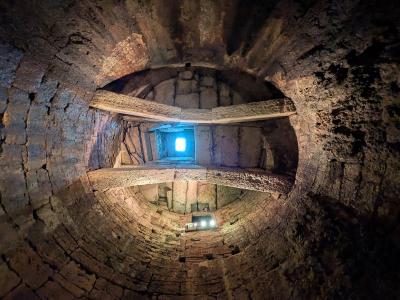
Etruscan Well (Pozzo Etrusco)
Etruscan well beneath Perugia's old town
Architectural Monuments · Historic Districts
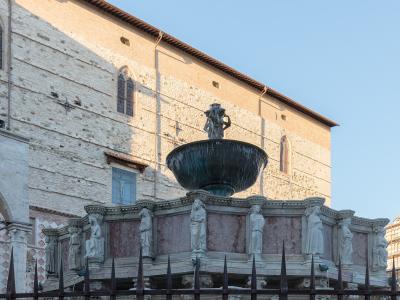
Fontana Maggiore
Medieval marble fountain with bronze basin in Perugia
Architectural Monuments · Historic Fountains
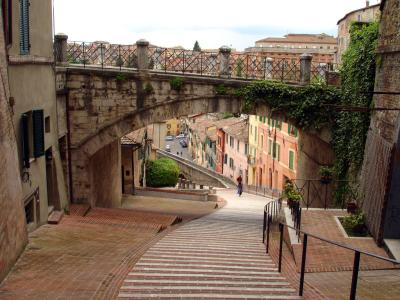
Medieval Streets of the Historic Center
Medieval streets and arches in Perugia's historic center
Historic Districts · Historic Towns
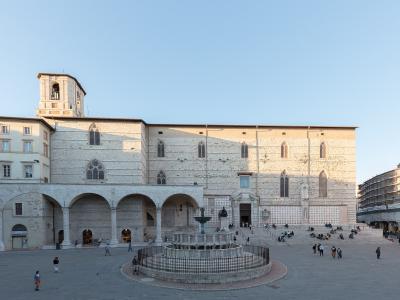
Piazza IV Novembre
Historic forum site with Fontana Maggiore
Free Architectural Monuments · Historic Districts
Questions people ask
Quick Facts
Best Time to Visit
Visit between April and June or September and October for mild temperatures and fewer crowds.