







- Admission
- Free admission
- Hours
- Most outings last a few hours; district has a peaceful daytime atmosphere and lively eveni...
- Where
- Milan, Lombardy
- Directions
- Directions
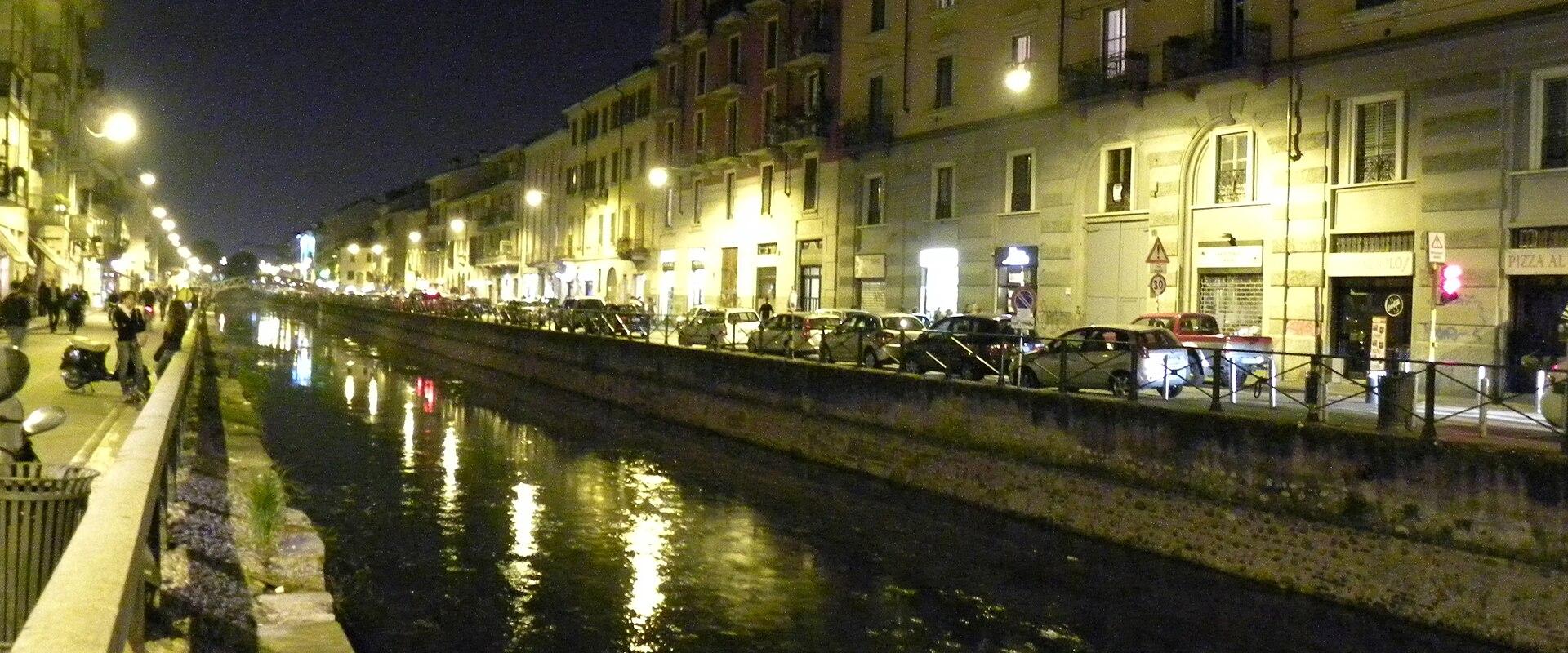
The Navigli District is the old canal quarter of Milan, in the south-west of the city, around the Darsena, the port basin, and along the two surviving canals, the Naviglio Grande and the Naviglio Pavese. Milan was once a city of water, crossed by a network of canals that served as defence, transport and drainage. The canals began in the 12th century, as a moat for the city walls and as an irrigation system for the fertile Lombard plain, and over the following centuries they were extended and linked, to form a navigable system that connected Milan with Lake Maggiore, Lake Como and the Ticino and Adda rivers. The Naviglio Grande, which was completed in 1272 and brings water from the Ticino river, was the most important, and it carried grain, salt, timber and building stone, as well as the marble for the Duomo, which was shipped from the quarries at Candoglia by lake and canal to the very edge of the building site.
Leonardo da Vinci, who lived in Milan in the late 15th century working for the Sforza dukes, took an interest in the canals and is credited with improvements to the locks, the conche, which allowed boats to move between water levels. He drew plans for further canal works in his notebooks, and the connection between Leonardo and the Navigli is celebrated in the district. Most of the inner ring of canals was covered over in the 1930s to make way for roads and trams, so the city lost its water network, but the Navigli area survived and has become one of the most popular places to spend the evening.
By day the district is calm. The streets along the canals are lined with old houses with iron balconies, courtyards, small galleries, artists’ studios, antique shops and boutiques, and the water lies green and still under the bridges. A walk from the Darsena along the Naviglio Grande takes you past the Vicolo dei Lavandai, an old wash house where women once did the laundry in the canal, which has been preserved as a reminder of everyday life. On the last Sunday of each month, an antiques market stretches along the Naviglio Grande, with hundreds of stalls, and it is a popular event for Milanese and visitors alike.
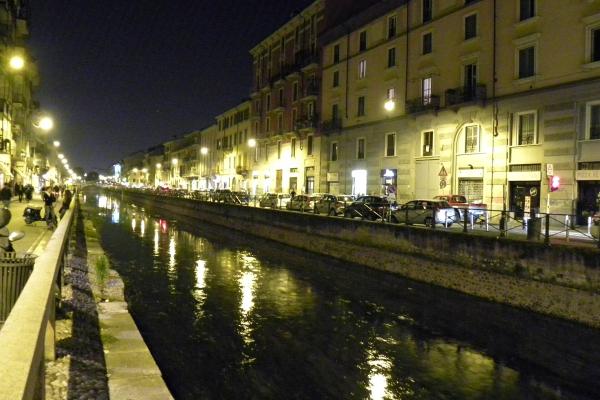
In the evening, the Navigli come alive. The bars and restaurants along the water fill with people who enjoy the Milanese aperitivo, the early evening drink accompanied by snacks, and the lights reflected in the canal create a festive atmosphere that lasts late into the night. Prices can be higher on the canal itself, so a look at the side streets can reward. The Darsena was renovated for the 2015 Expo and is a pleasant area with cafes. The district is easily reached by metro and tram, and it complements the more formal sights of Milan, such as the Duomo di Milano, Galleria Vittorio Emanuele II, the Sforza Castle, and Santa Maria delle Grazie. It suits those who like atmosphere and nightlife, and it is best in the late afternoon and evening.
Categories
More photos coming soon
Hours & Fees
- Open
- Most outings last a few hours; district has a peaceful daytime atmosphere and lively evening scene.
- Admission
- Free admission
Hours and prices change, especially out of season. Check with the venue before you go.
Nearby Attractions
Other places to visit in Milan
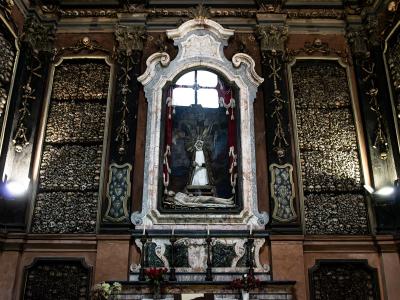
Bone Chapels (Catacombs Of The Ossuary)
13th-century ossuary with walls of human bones
Museums & Culture · Historic Cemeteries
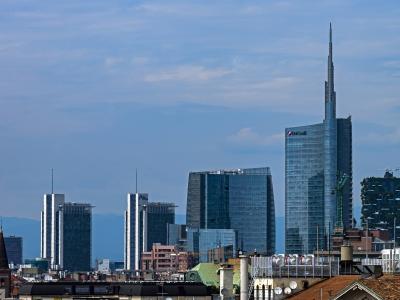
Bosco Verticale
Residential towers with 90+ plant species on facades
Free Architectural Monuments · Botanical Gardens
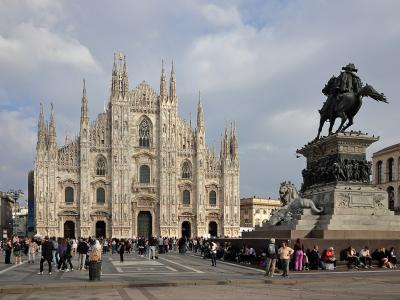
Duomo di Milano
Gothic cathedral with marble facade and rooftop terraces
Architectural Monuments · Cultural Tours
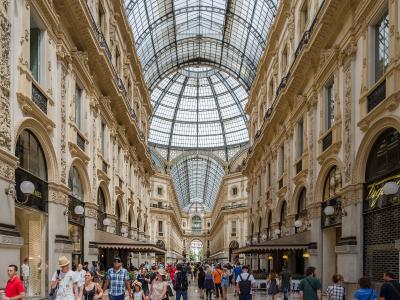
Galleria Vittorio Emanuele II
19th-century glass arcade with mosaic floors
Free Architectural Monuments · Shopping Streets
Questions people ask
Quick Facts
Best Time to Visit
Visit between April and June or September and October for mild temperatures and fewer crowds.