







- Admission
- Free entry
- Where
- Bologna, Emilia-Romagna
- Directions
- Directions
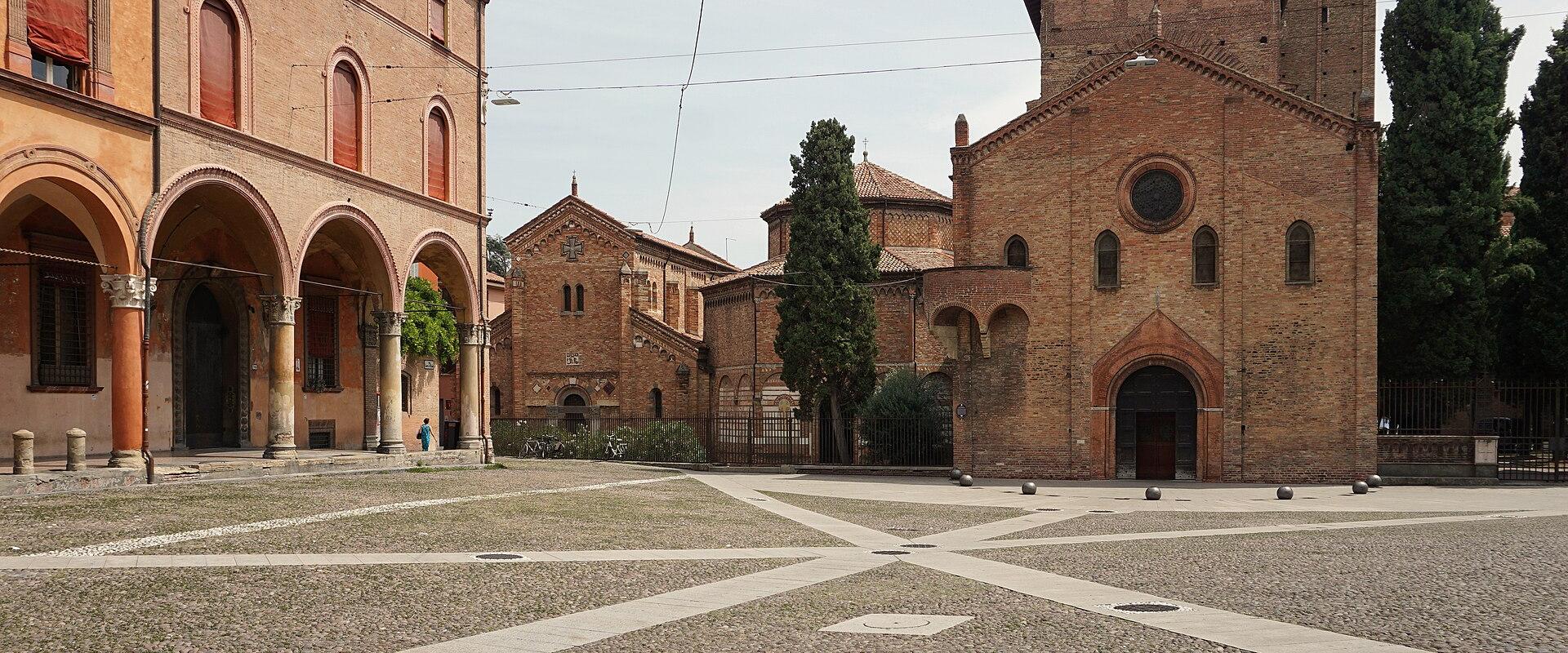
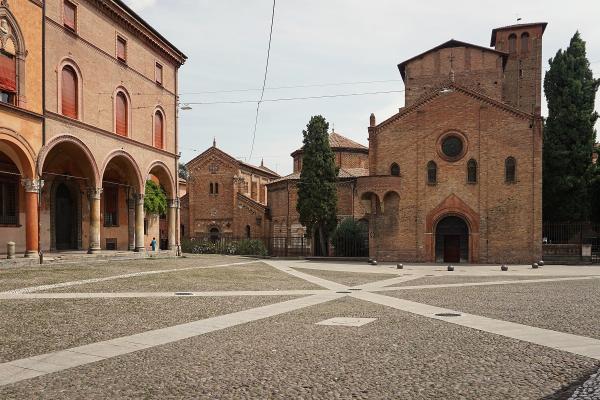
The Santo Stefano Complex in Bologna, also known as the Sette Chiese, the seven churches, is a unique religious sanctuary formed by the merger of multiple buildings erected across different historical eras. It stands at Via Santo Stefano 24, and it is accessible on foot in the city centre, only a few minutes from the Two Towers, on a quiet piazza lined with porticoes. It is the most atmospheric place in Bologna, a small corner of the medieval city where time seems to have slowed.
The most accepted theory attributes the complex's foundation to Saint Petronius, the bishop of Bologna in the fifth century and the city's patron saint, who built a church on the ruins of a pagan temple, and who intended to reproduce the Holy Sepulchre of Jerusalem in Bologna. The central church, the Basilica of the Holy Sepulchre, a polygonal building of brick with a central tomb, still evokes that idea. The site then grew over the centuries as more churches and chapels were added, and not all of the seven churches survive, though the complex keeps the name.
The structure includes churches of Lombard origin, such as the Church of the Crucifix, the Calvario, the church of Saints Vitale and Agricola, and the Trinity Church, which were restructured in the twelfth and thirteenth centuries. The Church of Saints Vitale and Agricola is the oldest, with columns reused from Roman buildings and the traditional tombs of two early Christian martyrs, Vitalis and Agricola. Benedictine buildings from the tenth to the thirteenth centuries are also part of the complex, because Benedictine monks held the site for centuries. The style throughout is Romanesque, with rough brick, stone columns, small windows and a plain, solemn atmosphere.
Notable sites include the Courtyard of Pilate, the Cortile di Pilato, which features a marble basin, the so-called basin of Pilate, donated by Lombard kings, and decorated with inscriptions, and the Benedictine cloister with dual loggias, in two levels, from the eleventh to thirteenth centuries, a peaceful square of arches and columns with a central garden. A small museum displays treasures of the church, and in the Church of the Trinity there is a large wooden Nativity scene, a presepe, with figures of the fourteenth century.
Admission to the churches is free, though the museum and the cloister may have separate hours, and visitors should check the opening times, since the complex is a place of worship, with a religious community that still lives here. Dress modestly and be quiet. The complex is a short walk from the Quadrilatero, the market quarter, and Piazza Maggiore, and it is on the line of the long Via Santo Stefano, which runs to the city gate. Allow forty-five minutes, and visit in the morning, when the light enters the cloister. It is among the best-kept secrets of Bologna’s historic centre.
Categories
More photos coming soon
Admission Fees
- Admission
- Free entry
Hours and prices change, especially out of season. Check with the venue before you go.
Nearby Attractions
Other places to visit in Bologna
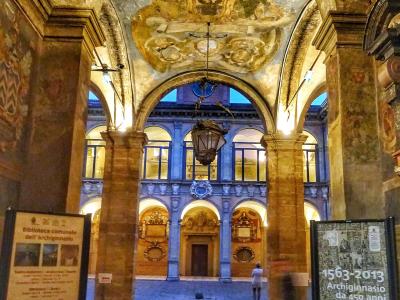
Archiginnasio of Bologna
Historic university housing the grand anatomical theatre
Architectural Monuments · Educational Sites
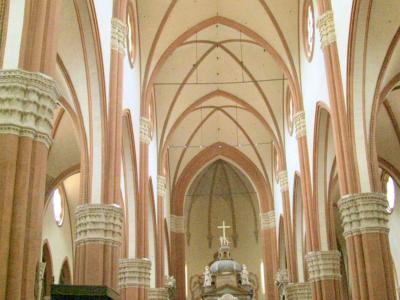
Basilica di San Petronio
Gothic basilica in Bologna's Piazza Maggiore
Architectural Monuments · Historic Churches
Bologna Art Museum (MAMbo)
World's largest Morandi collection
Art Museums
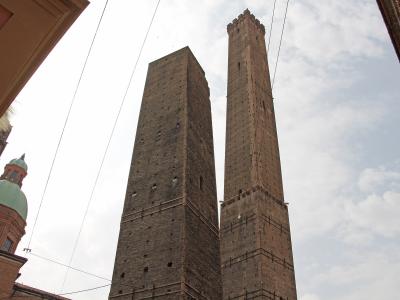
Due Torri (Asinelli and Garisenda)
Bologna's two medieval towers, closed to climbers since 2023
Free Architectural Monuments · Historic Gates
Questions people ask
Quick Facts
Best Time to Visit
Visit between April and June or September and October for mild temperatures and fewer crowds.