







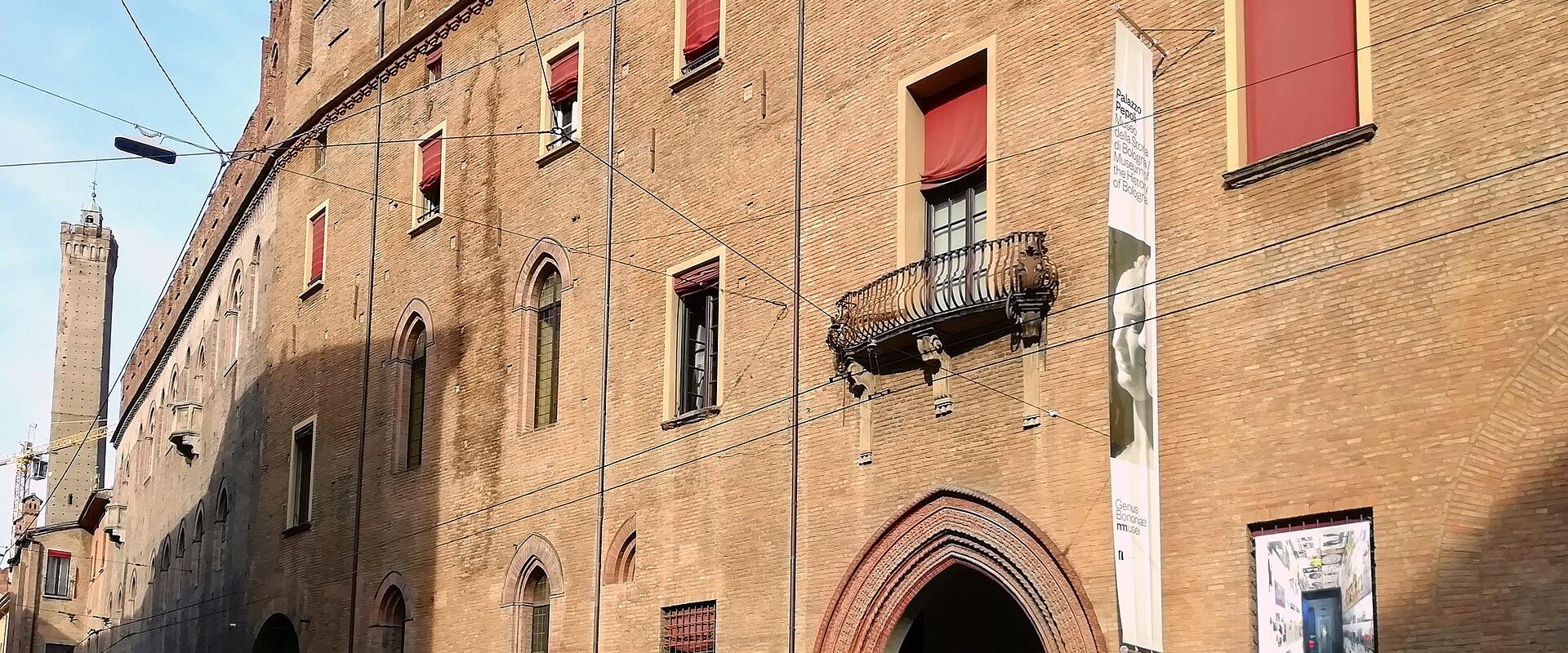
Museum of the History of Bologna
Interactive history of Bologna from Etruscan origins
- Admission
- €10 full, €7 reduced, €5 residents/students, free
- Hours
- Mon, Wed-Fri, Sat-Sun 10:00 am-7:00 pm; closed Tuesdays
- Where
- Bologna, Emilia-Romagna
- Directions
- Directions
The Museum of the History of Bologna is housed in Palazzo Pepoli, a medieval palace on Via Castiglione in the old centre, a few steps from the Due Torri. It was opened in 2012 as part of a project to restore historic palaces for public use, and it takes an unusual approach. Instead of showing a collection of objects, it uses multimedia installations, images, sound and film, together with original items, to tell the story of the city in an interactive and theatrical exhibition path. The idea is to give visitors an overview of how Bologna became what it is, which makes it a good first stop in the city.
Bologna’s story begins with Felsina, the Etruscan city that stood here in the sixth century BC, the earliest known urban settlement on the site. It moves through the Roman town, Bononia, then the early medieval period and the city's golden age in the twelfth and thirteenth centuries, when the university, founded in 1088 and often described as the oldest in Europe, drew students from across the continent. Rooms are devoted to the great towers that rose over the city, to the canals that once ran through it, to the building of the arcades, the long porticoes that give Bologna its distinctive character, and to the power of the families who ruled the city, among them the Pepoli, bankers who held power for a time in the fourteenth century.
The later rooms follow the papal rule that lasted until 1860, the Risorgimento, and the twentieth century, with its war damage, the postwar rebuilding and the role of Bologna as a centre of culture, food and politics. The presentation uses projections, models, reconstructions and a number of lively staged scenes, which makes the visit more engaging for children and for visitors who do not read Italian, since much of the information is available in other languages.
The palace itself has a place in this story. The Pepoli were one of the wealthy banking families of the city, and the building, with its crenellated tower and courtyard, dates from the thirteenth and fourteenth centuries, extended in later periods. Its halls have painted ceilings and cases, and the setting adds to the experience.
Booking is required for entry, and visitors are asked to arrive a few minutes before their scheduled time. Admission prices vary by category, and the ticket normally includes an audio guide, with reduced rates for groups, residents and certain card holders. The museum is closed one day a week, usually Tuesdays, and opening hours and temporary exhibitions change, so check the official website. A visit takes about ninety minutes. It is a convenient start to a day in Bologna, followed by a walk to Piazza Maggiore, the Basilica di San Petronio and the university quarter. Visitors who prefer a quick overview will find the museum helpful, and people who like to read can take their time.
Categories
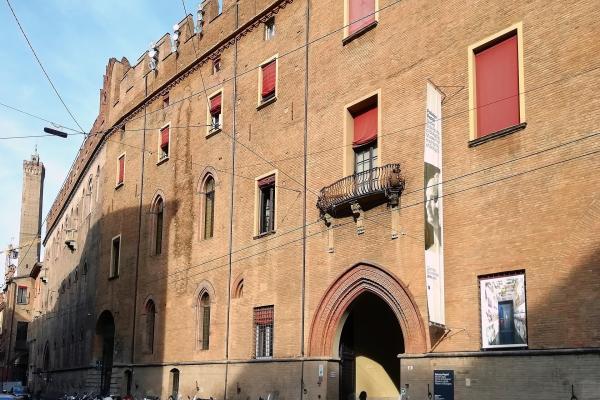
More photos coming soon
Hours & Fees
- Open
- Mon, Wed-Fri, Sat-Sun 10:00 am-7:00 pm; closed Tuesdays
- Admission
- €10 full, €7 reduced, €5 residents/students, free
Hours and prices change, especially out of season. Check with the venue before you go.
Nearby Attractions
Other places to visit in Bologna
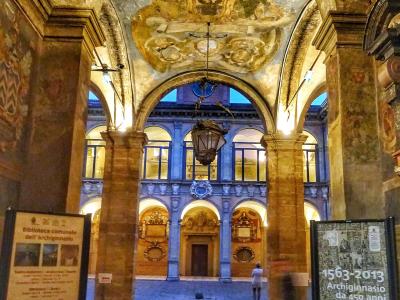
Archiginnasio of Bologna
Historic university housing the grand anatomical theatre
Architectural Monuments · Educational Sites
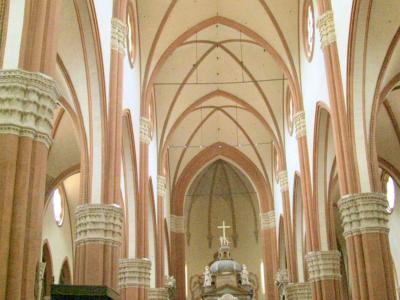
Basilica di San Petronio
Gothic basilica in Bologna's Piazza Maggiore
Architectural Monuments · Historic Churches
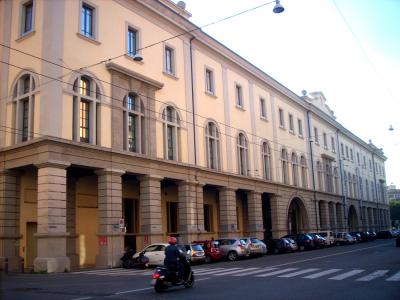
Bologna Art Museum (MAMbo)
World's largest Morandi collection
Art Museums
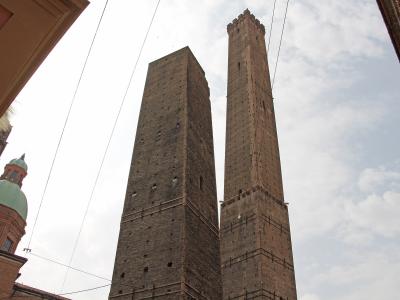
Due Torri (Asinelli and Garisenda)
Bologna's two medieval towers, closed to climbers since 2023
Free Architectural Monuments · Historic Gates
Questions people ask
Quick Facts
€10 full, €7 reduced, €5 residents/students, free
Best Time to Visit
Visit between April and June or September and October for mild temperatures and fewer crowds.