







- Admission
- Free admission
- Hours
- Open 24/7
- Where
- Bologna, Emilia-Romagna
- Directions
- Directions
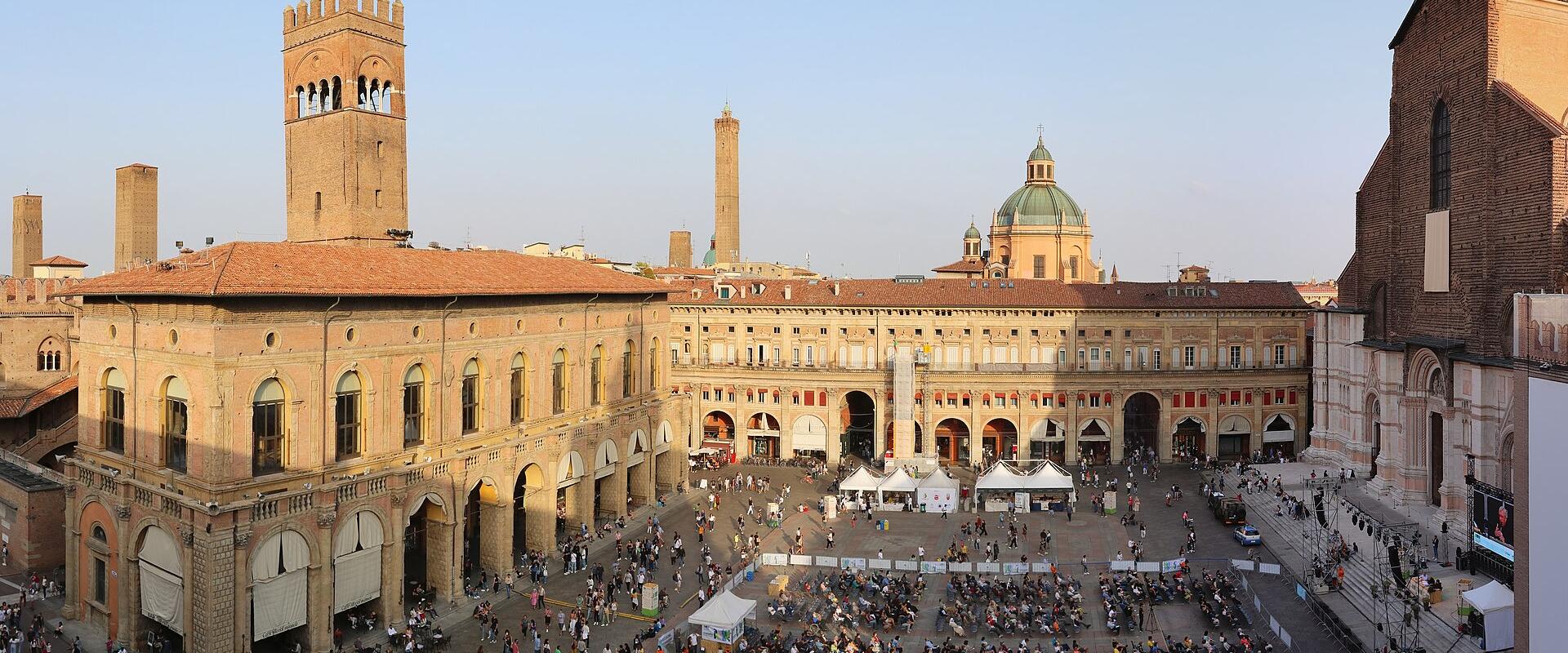
Piazza Maggiore is the largest and most important square in Bologna, a spacious rectangle of paving in the centre of the old city, surrounded by the great buildings of the medieval and Renaissance commune, and it is the place where the life of the city has concentrated for eight centuries. The area was cleared in the 13th century, in the Middle Ages, around the year 1200, when the commune bought houses and land to create a large public space for markets, gatherings and civic ceremonies, and the surrounding palaces were built over the following decades. The result is a space with a strong artistic atmosphere, that mixes brick and stone, towers and arcades, and the red colour of the Bolognese buildings, which has earned the city the nickname of La Rossa, the Red. The square is pedestrian, free and open at all hours, and it is easily accessible for wheelchairs and strollers, though some side streets have uneven paving.
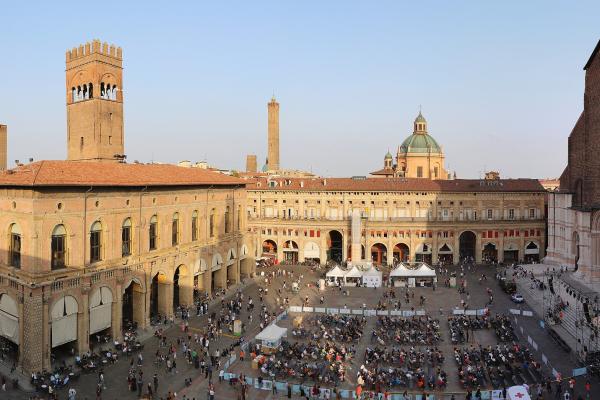
The square is dominated by the Basilica di San Petronio, the vast Gothic church on its south side, begun in 1390, which was planned to be one of the largest churches in Christendom and was never completed, as shown by the facade, which is clad in pink and white marble only in its lower part and left in bare brick above. Inside, the basilica has a famous meridian line laid in the floor in 1655 by the astronomer Giovanni Domenico Cassini, which is among the longest in the world. On the west side stands the Palazzo d’Accursio, the Palazzo Comunale, the town hall, with its stairs and clock tower, and on the opposite side, the Palazzo del Podestà, with its high tower, the Torre dell’Arengo, from which a bell once called the citizens to assemble. The Palazzo dei Banchi, with its long arcade of Renaissance character, closes the east side. Behind the Palazzo del Podestà, the Palazzo Re Enzo recalls the king of Sardinia who was held captive here in the 13th century.
A few steps away, the Piazza del Nettuno has the Fountain of Neptune, a bronze statue by Giambologna of 1563 to 1566 that is one of the most admired fountains of the Renaissance, and its muscular sea god is a symbol of the city. Under the vault of the Voltone del Podestà, the arched passage between the squares, an acoustic effect lets whispers be heard from one corner to the diagonally opposite corner, and visitors like to try it. The surrounding streets of the Quadrilatero, with their market stalls, lead to the Archiginnasio of Bologna and the Teatro Comunale di Bologna.
The square is also a social space. Local people sit on the steps of San Petronio, meet friends, and relax at the cafes, and in summer, the square is used for outdoor cinema screenings, concerts and festivals, while in winter, it is lit up for Christmas. It is a fifteen to twenty minute walk from the Bologna Centrale railway station, and buses run along Via Ugo Bassi and Via Indipendenza, with taxis dropping off at the edge of the pedestrian zone. The Due Torri, Santo Stefano, the Museum of the History of Bologna and the Giardini Margherita are other sights in the city. The square suits everyone and is best at the end of the day.
Categories
More photos coming soon
Hours & Fees
- Open
- Open 24/7
- Admission
- Free admission
Hours and prices change, especially out of season. Check with the venue before you go.
Nearby Attractions
Other places to visit in Bologna
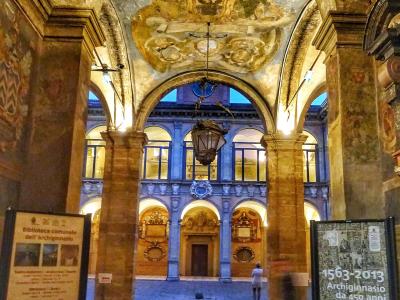
Archiginnasio of Bologna
Historic university housing the grand anatomical theatre
Architectural Monuments · Educational Sites
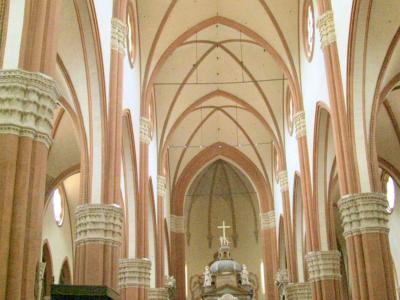
Basilica di San Petronio
Gothic basilica in Bologna's Piazza Maggiore
Architectural Monuments · Historic Churches
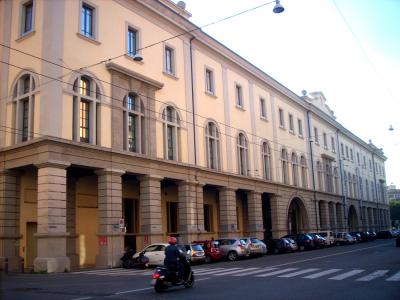
Bologna Art Museum (MAMbo)
World's largest Morandi collection
Art Museums
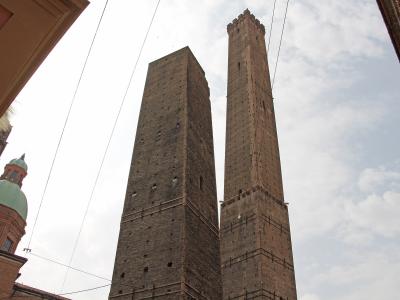
Due Torri (Asinelli and Garisenda)
Bologna's two medieval towers, closed to climbers since 2023
Free Architectural Monuments · Historic Gates
Questions people ask
Quick Facts
Best Time to Visit
Visit between April and June or September and October for mild temperatures and fewer crowds.