







- Where
- Todi, Umbria and Marche
- Directions
- Directions
Chiesa di San Fortunato is a captivating Roman Catholic church in the historic center of Todi, a hill town in Umbria, standing on the slope below the main square, Piazza del Popolo, at the top of a broad flight of steps. Dedicated to Bishop Saint Fortunatus, the structure blends Gothic and Renaissance styles, with construction dating back to the 11th century. The current building was developed between 1295 and 1460 after the site was acquired by the Franciscan order in 1292. It stands on a raised platform, accessible via a broad stone staircase that leads to its impressive facade, and the platform and the steps make a small square of their own, a place where locals sit in the sun. The church is well known for its views: from the terrace in front, and especially from the park behind, the Parco della Rocca, one looks out over the hills and valleys of Umbria.
The facade, designed in the first half of the 15th century by Giovanni di Santuccio of Firenzuola, features a Gothic central portal created between 1415 and 1458. This portal is richly decorated with pilasters and sculptures of the Annunciation, attributed to followers of Jacopo della Quercia, the Sienese sculptor, showing the angel and the Virgin on either side of the doorway. The rest of the facade was never finished and shows bare stone and brick, with no decoration, as the money ran out, and the unfinished state gives the church a distinctive look. Historically, the site previously hosted a shrine to San Cassiano and later housed the relics of Saint Fortunatus, the early bishop of Todi. The church was originally consecrated by Pope Innocent III in 1198, according to the tradition, before the Franciscans rebuilt it.
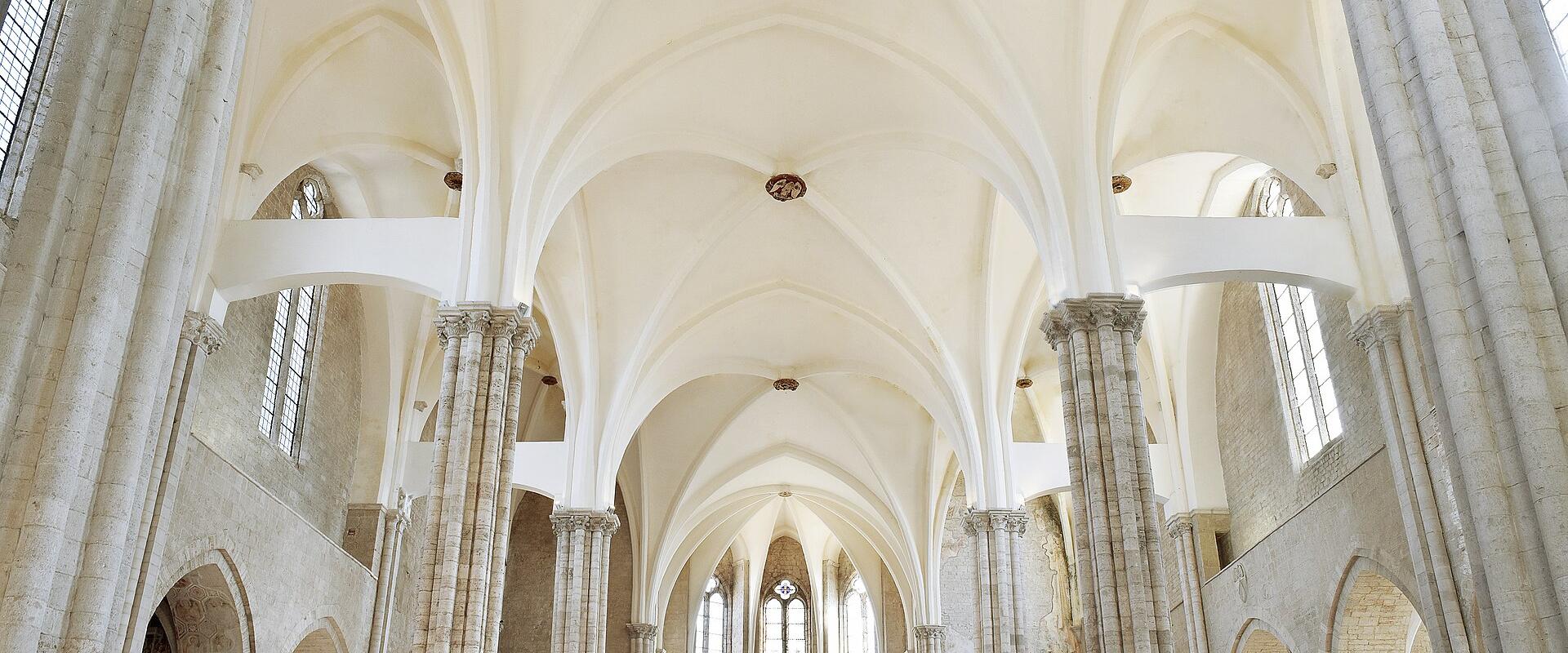
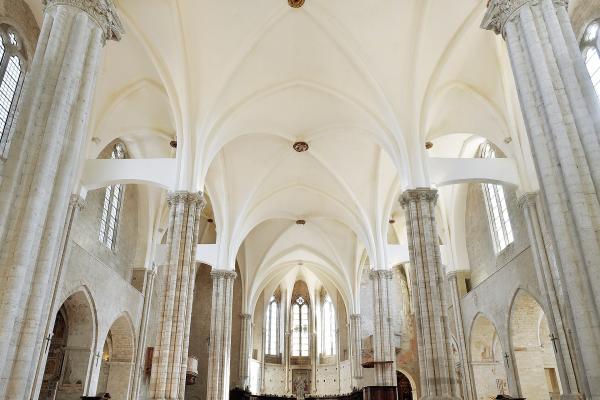
The interior is an excellent example of a Gothic hall church, in which the nave and the two aisles are of equal height, divided by tall, slender columns, which gives the interior an open, airy and bright feeling, quite unlike the dark churches of the Romanesque period. The effect, with the light from the large windows and the long perspective, is serene. Altars and chapels are decorated with frescoes of the 14th and 15th centuries, and one of the most important artworks is the fresco of the Madonna and Child with angels by Masolino da Panicale, painted around 1432. In the crypt lies the tomb of Jacopone da Todi, the Franciscan friar and poet of the 13th century, who wrote religious poems in the vernacular and who is traditionally credited with the hymn Stabat Mater, and whose burial place draws visitors from afar.
Visitors can explore the serene interior and enjoy views from the church’s vantage point within the charming hilltop town of Todi. It is advisable to check local information for mass times, as access may be restricted during services, and the church is usually closed for a short time at midday. Modest dress is expected. Exploring Chiesa di San Fortunato offers insight into Todi’s religious and artistic heritage. It is an essential stop to appreciate the town’s Gothic and Renaissance architecture. The combination of historical significance and scenic views makes it a meaningful destination.
It complements visits to other landmarks in Todi, such as the Palazzo dei Priori, with its tower, and the cathedral, in the main square, a short and steep climb above, providing a view of the city’s cultural identity. Todi is one of the most pleasant of the Umbrian hill towns, with a calm atmosphere, medieval lanes and long views.
More photos coming soon
Nearby Attractions
Other places to visit in Todi
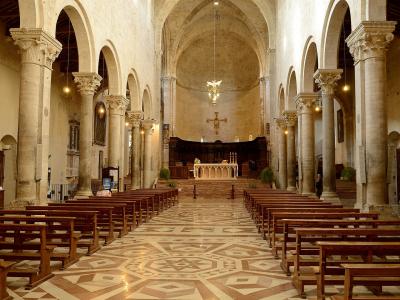
Duomo di Santa Maria Assunta
12th-century cathedral with Michelangelo-inspired frescoes
Architectural Monuments · Cultural Tours
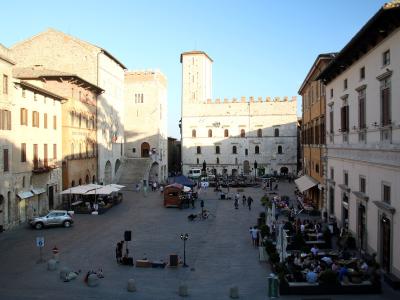
Palazzo dei Priori
14th-century Gothic palace housing the bronze Aquila di Todi
Architectural Monuments · Cultural Tours
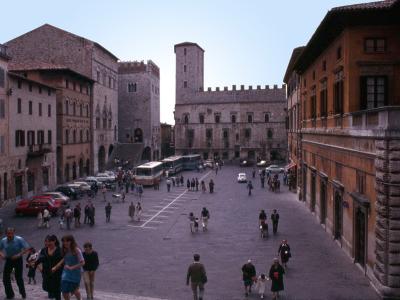
Piazza del Popolo
Roman forum site atop Nidoli hill
Historic Churches · Historic Palaces
Questions people ask
Quick Facts
Best Time to Visit
Visit between April and June or September and October for mild temperatures and fewer crowds.