







- Where
- Taormina, Sicily
- Directions
- Directions
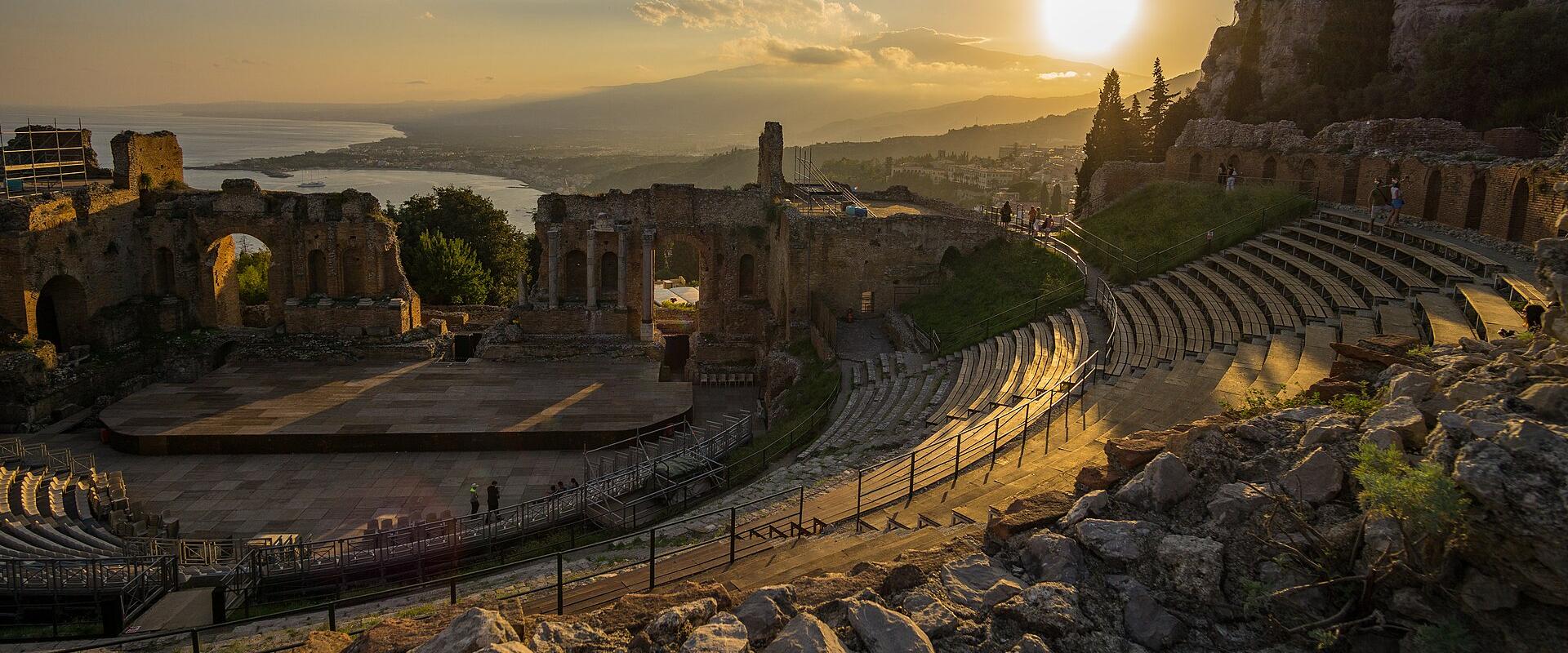
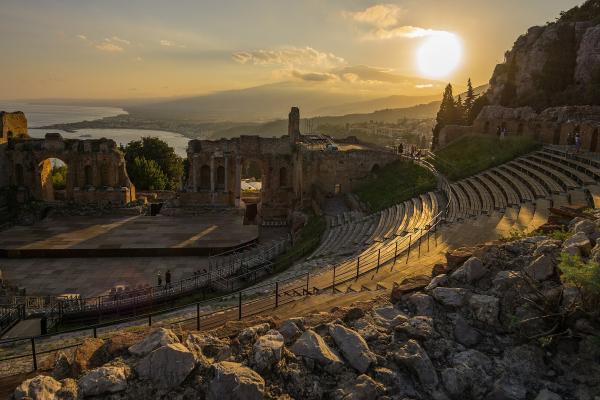
The Teatro Antico di Taormina, the Ancient Theatre of Taormina, an ancient Greek-Roman theater in Italy, is the most famous monument of this clifftop resort in eastern Sicily, and it is among the most spectacular theatres of the ancient world, thanks to its setting. It is cut into the slope of Monte Tauro, above the sea, with a semicircular auditorium that looks across the Ionian Sea and the coast to the great cone of Mount Etna, often with a plume of smoke at its summit, so that the audience in antiquity had a landscape as dramatic as any play. The theatre was first built by the Greeks in the 3rd century BC, and it was later enlarged and remodelled by the Romans, who rebuilt it in brick around the 2nd century AD and adapted it for gladiatorial shows and other spectacles, which explains why the structure that survives is a mixture of Greek and Roman elements.
It is the second largest ancient theatre in Sicily, after the Greek Theatre at Syracuse. The semicircular cavea, the seating area, is about one hundred metres across and held several thousand spectators, who sat on tiers of seats facing the stage, with passages and stairways that gave access. Much of the auditorium is preserved, although the upper rows have lost their stone, and the stage building, or scaena, whose tall brick wall and its arches and niches rise at the back, is the most picturesque part of the ruins, framing the view of the sea and Etna through its openings. In antiquity, the wall was covered with marble and decorated with columns and statues, and fragments of this decoration lie around the site. A small antiquarium displays some of the finds.
The acoustics are remarkable, and a voice on the stage can be heard clearly in the top rows. Today the theatre is still a working venue. In the summer months, it hosts opera, concerts, ballet and the events of the Taormina arts festival, as well as the Taormina Film Fest, which began in the 1950s, so that visitors may have the chance to sit on ancient stone and enjoy a performance against the backdrop of the volcano, an unforgettable experience. Famous travellers have long admired the place. The German writer Goethe, who visited Sicily in 1787, praised the view from the theatre in his Italian Journey, and since then Taormina has attracted artists and writers from northern Europe.
The theatre is open daily, with a ticket, and hours that vary with the season, so check before going. Go early in the day to avoid the heat and the crowds, and wear comfortable shoes, since the steps are uneven. A visit takes about an hour. The theatre lies at the end of Corso Umberto, the main street of Taormina, and a short walk from Piazza IX Aprile, with its fine views, the Duomo di Taormina (Cathedral of Saint Mary of the Island), the Palazzo Corvaja and the Museo Civico Archeologico. It suits anyone interested in classical history, in dramatic scenery and in live performance.
Categories
More photos coming soon
Nearby Attractions
Other places to visit in Taormina
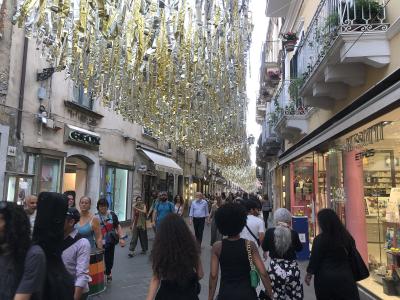
Corso Umberto
Main pedestrian street on ancient Roman Via Valeria
Free Historic Districts · Local Cuisine
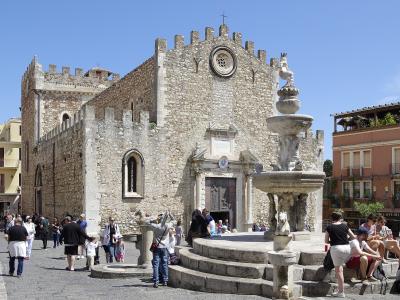
Duomo di Taormina (Cathedral of Saint Mary of the Island)
Gothic-Baroque fortress church in Piazza Duomo
Architectural Monuments · Historic Churches
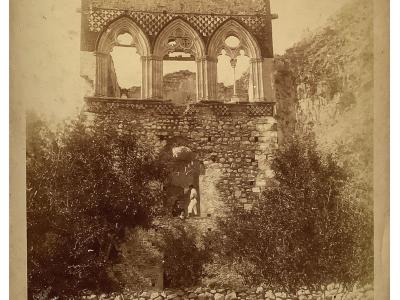
Museo Civic Archeologico
Hellenistic sculptures in Palazzo della Badia Vecchia
Free Archaeological Museums · Historic Palaces
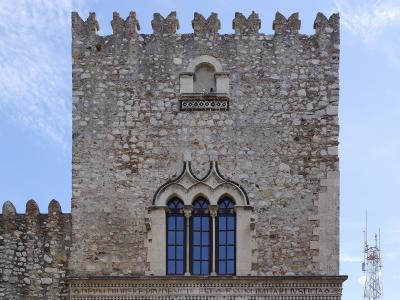
Palazzo Corvaja
14th-century medieval palace on Taormina's main street
Architectural Monuments · Historic Districts
Questions people ask
Quick Facts
Best Time to Visit
Visit between April and June or September and October for mild temperatures and fewer crowds.