







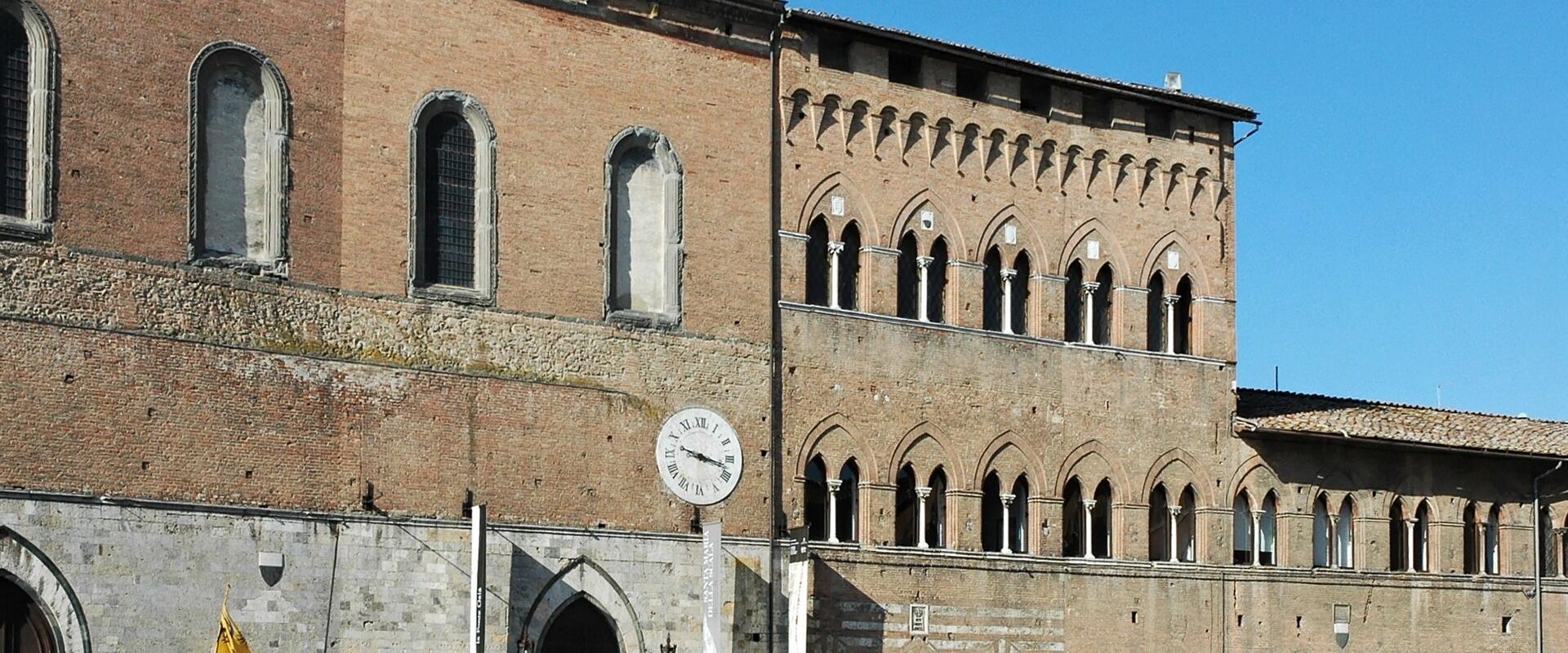
Santa Maria della Scala
Historic hospital complex housing major Sienese art colle...
- Where
- Siena, Tuscany
- Directions
- Directions
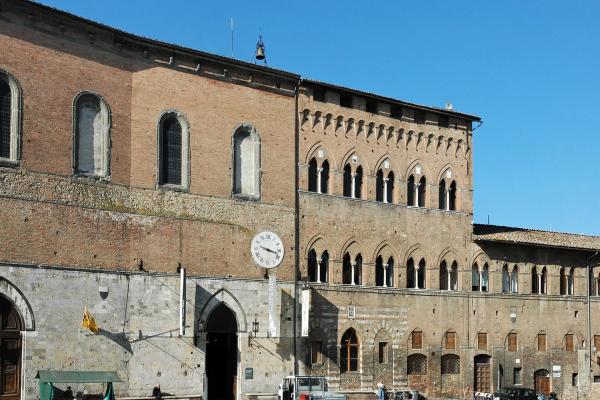
Santa Maria della Scala is the great former hospital of Siena, a vast complex of buildings that stands directly opposite the cathedral, at the foot of the steps of the Duomo, from which, according to the most common explanation, it takes the name della Scala, of the stairs. It is one of the oldest and most important hospitals in Europe. It began as a place of shelter for pilgrims on the Via Francigena, the great road that linked France with Rome, which passed through Siena, and it is first documented in the 11th century. Over the following centuries it grew into a major institution that cared for the sick, the poor and abandoned children, and it became one of the wealthiest and most powerful organisations in the city, with rich donations of land and works of art. It continued to serve as a working hospital until the late 20th century, and it is now a museum complex.
The building is a maze of halls, chapels, passages and underground spaces, built and enlarged over seven hundred years, and wandering through it reveals many layers of Siena’s history. The most celebrated room is the Pellegrinaio, the Pilgrims’ Hall, a long ward whose walls are covered with frescoes painted in the 1440s by Domenico di Bartolo and others, which show scenes from the life of the hospital: the care of the sick, the distribution of alms, the raising of orphans and the tending of the poor. These lively paintings are a rare and valuable record of medieval and early Renaissance daily life, and they are among the most vivid images of charity in Italian art. Next to it, the church of the Santissima Annunziata, the hospital’s church, contains a bronze statue of the Risen Christ by Vecchietta.
The complex now houses a series of museums and itineraries on the history and art of the building. A large part of it is devoted to archaeology, displaying Etruscan finds in rooms deep beneath the building, in a setting of vaults and corridors cut into the rock of the hill, and other sections look at medieval art and the history of the hospital’s medical and charitable work. The original sculptures from the Fonte Gaia, the fountain in the Piazza del Campo by Jacopo della Quercia, are displayed here, protected from the weather, together with works from the city’s collections. The oratory of Santa Caterina della Notte and other chapels add to the interest, and the museum also holds temporary exhibitions of contemporary art, as well as spaces for children.
Ticket arrangements and opening hours vary by season and change from year to year, so check the current times and prices, and consider the combined tickets with the Municipal Museums or the Torre del Mangia. A visit takes two to three hours. The complex is next to the Siena Cathedral (Duomo di Siena), a few minutes from the Piazza del Campo, the Palazzo Pubblico and the Pinacoteca Nazionale, and not far from the Basilica of San Domenico and the Orto Botanico dell’Università di Siena. It suits anyone interested in medieval and Renaissance art, in the history of medicine and in the story of Siena, and it is a good choice on a rainy day.
Categories
More photos coming soon
Nearby Attractions
Other places to visit in Siena
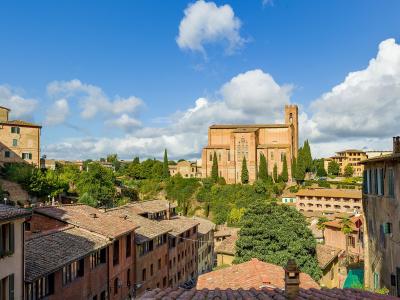
Basilica of San Domenico
Gothic basilica housing St. Catherine's head-relic
Architectural Monuments · Historic Churches
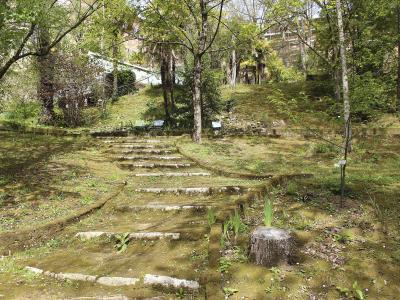
Orto Botanico dell'Università di Siena
University botanical garden on a hillside above Siena
Botanical Gardens · Educational Sites
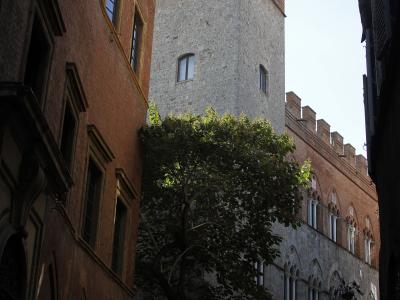
Palazzo Chigi Saracini
Gothic palace and music academy in Siena
Art Museums · Cultural Centers
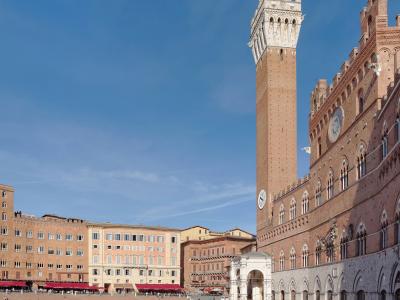
Palazzo Pubblico
Gothic palace housing Lorenzetti's frescoes
History & Heritage · Museums & Culture
Questions people ask
Quick Facts
Best Time to Visit
Visit between April and June or September and October for mild temperatures and fewer crowds.