







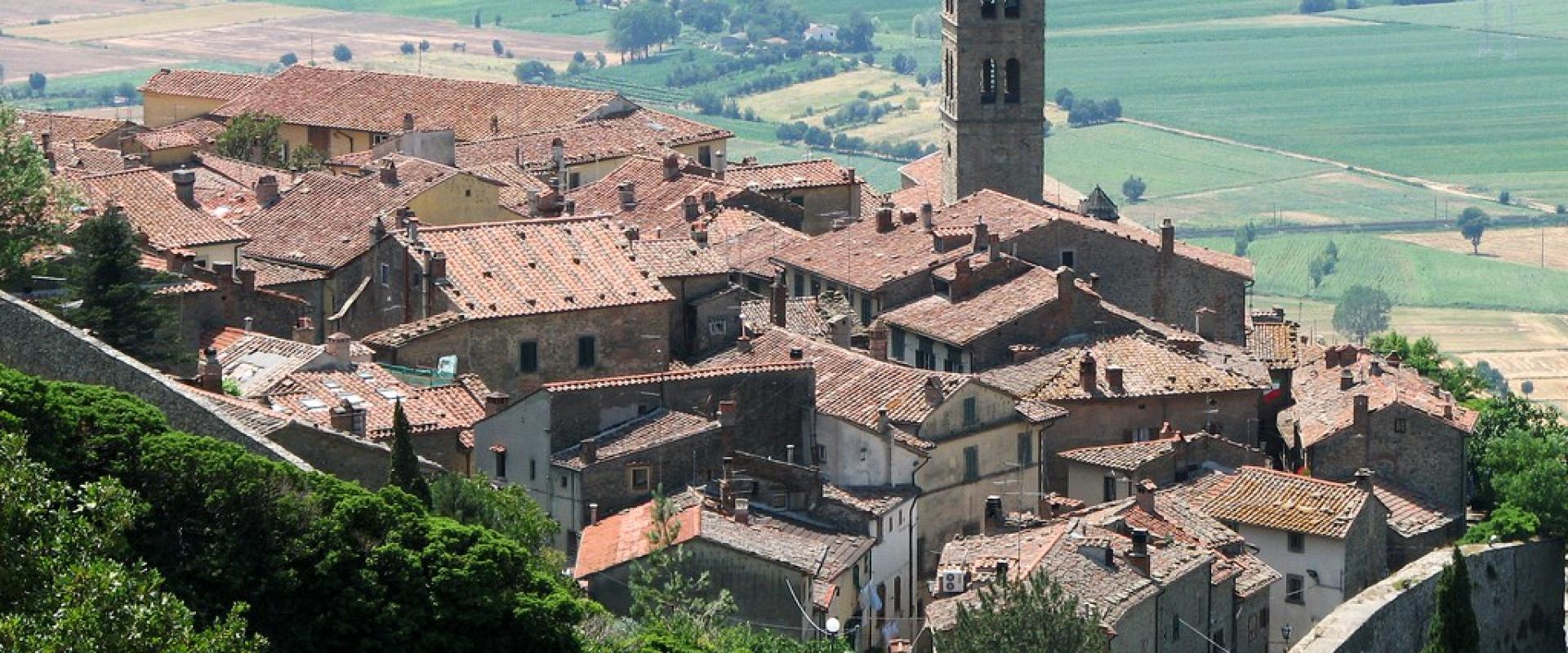
Cortona’s history goes back to the Etruscan period, when it was a significant city known as Cortuona. The Etruscans built the city’s walls and temples, remnants of which can still be seen. In the 3rd century BC Cortona was conquered by Rome and became a Roman colony, keeping its importance through the Middle Ages. During the Renaissance the town came under Florence, and the Medici family commissioned many of its artistic and architectural treasures. The hilltop position provided natural defences, and its walls and gates, such as Porta Santa Maria and Porta Roma, reflect this military heritage. Cortona has preserved its historic centre, which records its Etruscan, Roman, and Renaissance past. The town is also known for its artistic legacy: Luca Signorelli was born here, and works by Pietro da Cortona, a prominent Baroque painter, are found in many of its churches and palaces.
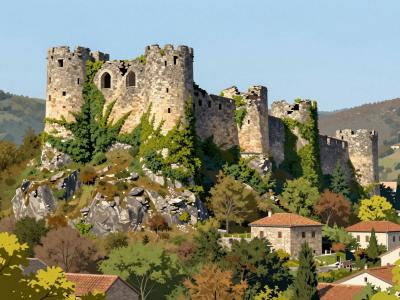
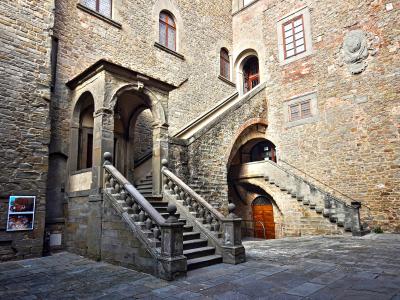
The main attractions are centred on the historic centre and the artistic landmarks. Piazza della Repubblica is the civic centre of the town, surrounded by elegant buildings such as the Palazzo Comunale, with its tower. The Cathedral of Santa Maria Assunta is a significant religious site, and the Diocesan Museum nearby holds Renaissance paintings, among them a well-known Annunciation by Fra Angelico. The Museo dell'Accademia Etrusca (MAEC), housed in the Palazzo Casali, holds Etruscan bronzes and other finds that illustrate the town’s ancient origins. The Pinacoteca Comunale is a small museum of medieval and Renaissance works. The Fortress of Cortona, the Fortezza del Girifalco, stands on the hilltop above the town and offers wide views. The narrow streets lead to boutiques, galleries, and restaurants, inviting visitors to explore. The surrounding countryside offers views of Lake Trasimeno and the Val di Chiana.
Activities in Cortona include exploring the historic sites, visiting museums, and enjoying the local cuisine. The town is known for traditional Tuscan dishes, including pici pasta, wild boar ragù, and the local Chianina beef, along with wines such as Chianti and Vino Nobile, produced elsewhere in the region. Visitors can take guided tours to learn about the town’s Etruscan and Renaissance heritage. The surrounding area offers hiking, cycling, and wine tasting. Cortona also hosts festivals and events through the year, including the Cortona On The Move festival of photography and visual arts. Shopping includes local ceramics, textiles, and food products. For those interested in history, guided tours explore the town’s Etruscan walls and Renaissance palaces.
Getting to Cortona is easiest by road. The town is reached by car from Florence, about 100 kilometres away, via the A1 motorway and SS75. There is no railway station in the town itself; the nearest main stations are in Arezzo and Perugia, with bus connections to Cortona, and a local station in the valley below also serves the area. For those flying, the nearest airports are in Florence and Perugia.
The best time to visit Cortona is from April to June or September to October, when the weather is mild and pleasant, ideal for outdoor attractions and historic sites. July and August are peak tourist months, with higher temperatures and larger crowds. Winter is cold but offers a quieter experience. Despite the seasonal variations, Cortona’s rich history and cultural offerings make it a rewarding destination year-round.
Best time to visit
Visit between April and June or September and October for mild temperatures and fewer crowds.
What to see in Cortona
Our picks first.
Cortona by interest
The same sights, grouped by what you came for.
Planning a visit to Cortona
Itineraries that include Cortona
Good to know
- Currency
- EUR
- Language
- Italian
Quick Facts
Book your stay
Questions people ask
More places in Tuscany
Tuscany
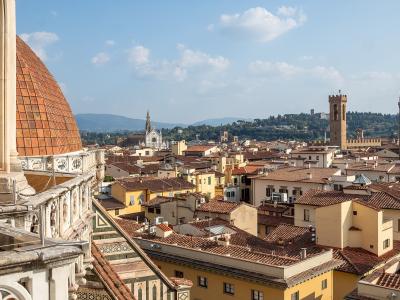
Florence
Birthplace of the Renaissance with iconic art and architecture
Tuscany
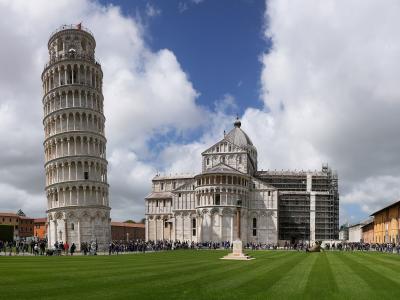
Pisa
Tuscan city famous for the Leaning Tower and medieval architecture
Tuscany
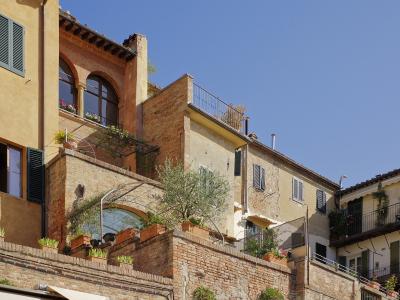
Siena
UNESCO-listed medieval city in Tuscany known for the Palio horse race
Tuscany
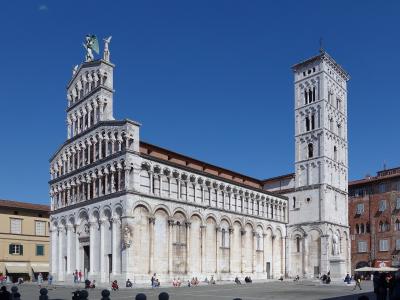
Lucca
Walled Tuscan city with intact ramparts, medieval towers, and relaxed vibe