







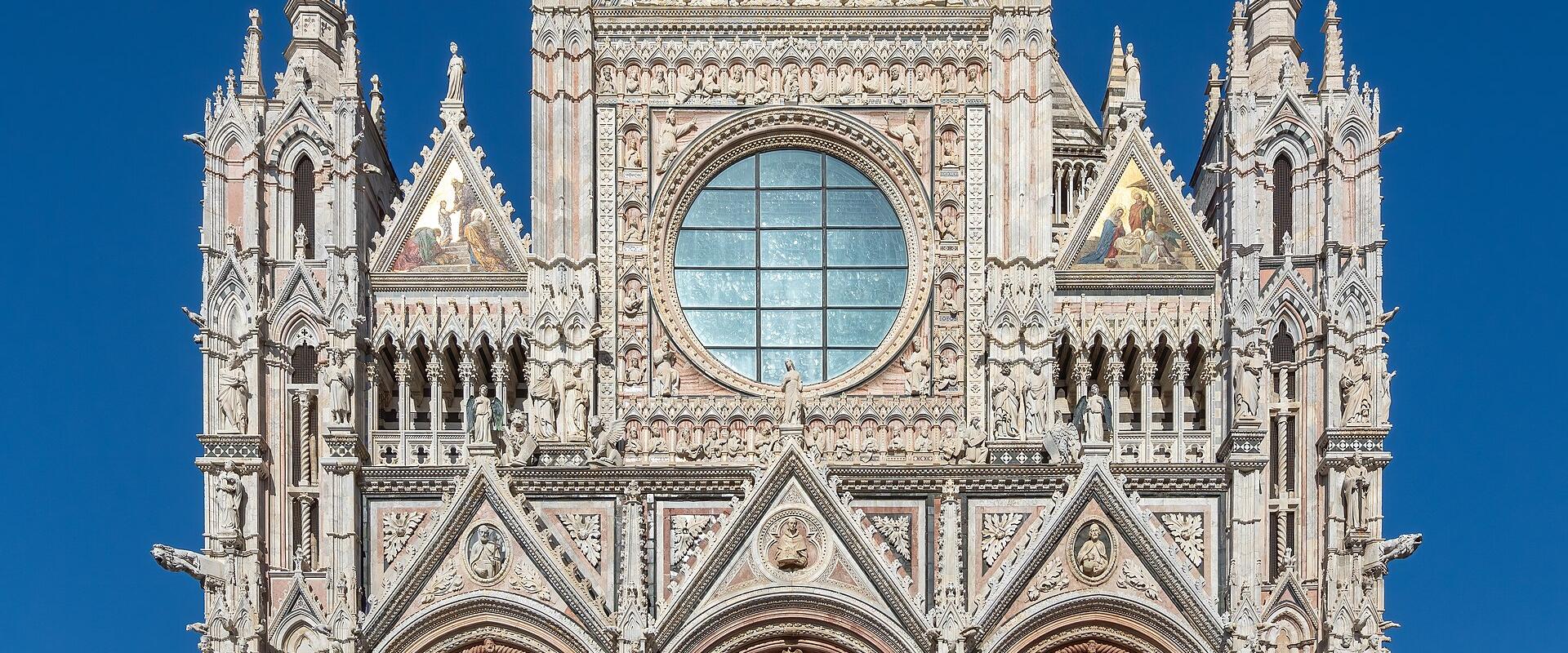
Siena Cathedral (Duomo di Siena)
UNESCO-listed Gothic cathedral with black-and-white marble
- Where
- Siena, Tuscany
- Directions
- Directions
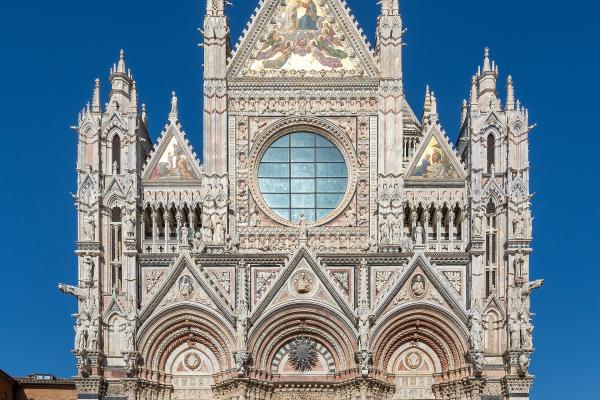
Siena Cathedral, known as the Cathedral of the Assumption of the Virgin Mary, or Santa Maria Assunta, is the main landmark of Siena and one of Italy’s most beautiful churches. It holds UNESCO World Heritage status as part of the historic center of Siena. The cathedral stands on the city’s highest hill, at the top of a short slope from the Piazza del Campo, and it is renowned for its distinctive black-and-white marble architecture, in which bold horizontal stripes run across the walls, columns and bell tower. The colors are those of the city’s coat of arms, the balzana, and the striking visual style is a hallmark of Sienese Gothic design.
Construction began in the 12th century and continued through the 13th, when the dome and much of the structure were completed, and the facade, with its sculpted figures, was designed by Giovanni Pisano and decorated over the following decades. In the 14th century, the city planned a much larger cathedral, using the existing building as a transept, but the Black Death of 1348 halted the work, and the unfinished nave walls of this ambitious project still stand to the side of the cathedral, as a reminder of what might have been.
Visitors entering the cathedral are greeted by an interior that continues the black-and-white marble theme, creating a dramatic and elegant atmosphere. The floor is one of its great wonders: a vast surface of inlaid marble panels, made by many artists between the 14th and 16th centuries, depicting biblical scenes and allegories, among the finest examples of medieval and Renaissance artistry in Europe. Because of its fragility, much of the floor is covered for most of the year and uncovered at certain periods, so it is worth checking when you plan the visit. The octagonal pulpit, carved by Nicola Pisano in the 1260s, is another masterpiece, with scenes from the life of Christ in marble.
The Piccolomini Library, located off the left aisle near the high altar, is a small hall painted with a cycle of frescoes by Pinturicchio around 1502 to 1507, showing the life of Pope Pius II in luminous color, with illuminated choir books displayed in cases below. The vividness of the paint, preserved almost untouched, is astonishing. The experience of visiting the cathedral is one of awe, combining architectural grandeur with deep religious and artistic heritage.
It is advisable to check official sources for current access information, since ticket arrangements, opening times and which parts are open change by season. The cathedral reflects Siena’s medieval prosperity and artistic achievement. Allow at least an hour, and more if you add the museum of the cathedral works, which houses Duccio’s Maestà, and the panoramic terrace on the unfinished facade, which gives a view over the city. The Baptistery and the Santa Maria della Scala complex lie across the square. Exploring the interior allows a close appreciation of the craftsmanship and spiritual significance that define this iconic site, and it is a highlight of any visit to Tuscany.
More photos coming soon
Nearby Attractions
Other places to visit in Siena
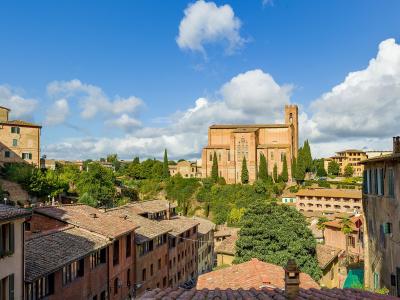
Basilica of San Domenico
Gothic basilica housing St. Catherine's head-relic
Architectural Monuments · Historic Churches
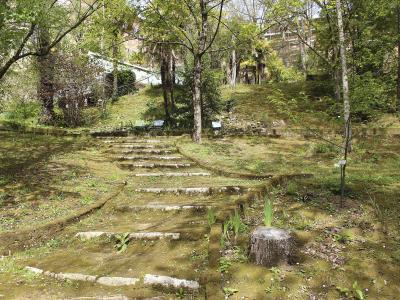
Orto Botanico dell'Università di Siena
University botanical garden on a hillside above Siena
Botanical Gardens · Educational Sites
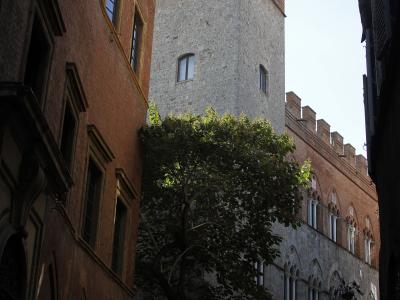
Palazzo Chigi Saracini
Gothic palace and music academy in Siena
Art Museums · Cultural Centers
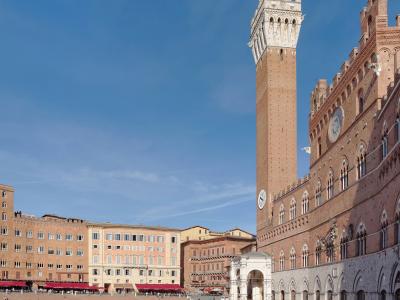
Palazzo Pubblico
Gothic palace housing Lorenzetti's frescoes
History & Heritage · Museums & Culture
Questions people ask
Quick Facts
Best Time to Visit
Visit between April and June or September and October for mild temperatures and fewer crowds.