







- Where
- Siena, Tuscany
- Directions
- Directions
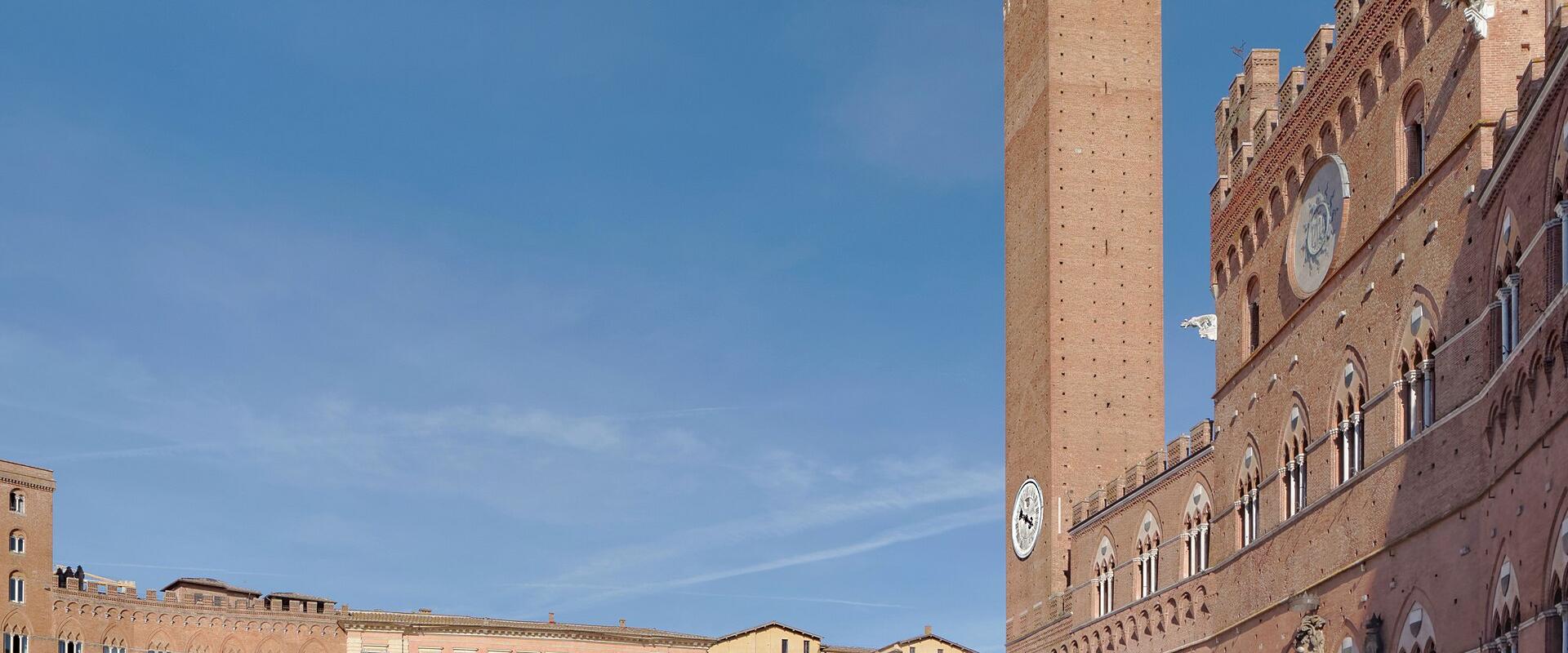
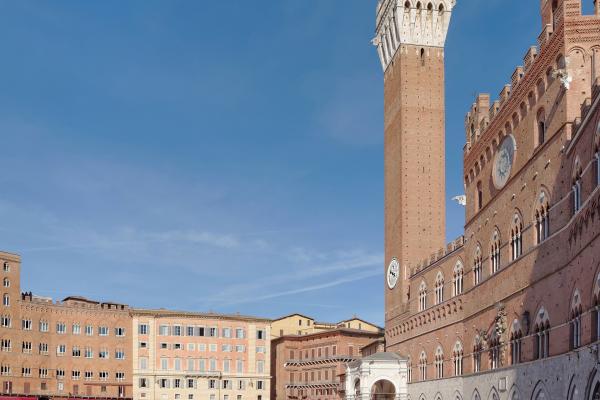
Palazzo Pubblico is the building around which Siena's great shell-shaped square, Piazza del Campo, was organised. Begun at the end of the thirteenth century and completed in stages in the early fourteenth, it housed the government of the Sienese republic and still houses the city's municipal offices. The Gothic front of brick and travertine, with its tall arched windows and stepped crenellations, curves slightly to follow the sweep of the square, and the slim Torre del Mangia soars from one side.
Inside, the Museo Civico holds some of the most important secular painting of the late Middle Ages. The star is the cycle of frescoes by Ambrogio Lorenzetti in the Sala dei Nove, the room where the nine rulers of the republic met. Painted in the late 1330s, the Allegory and Effects of Good and Bad Government spreads across three walls. On one side, a well-governed city bustles with trade and dance, while the countryside is productive and calm; on the other, a city under tyranny is dark and ruined. It is a rare political image from the period and a vivid view of daily life.
The Sala del Mappamondo holds Simone Martini's Maestà, a large Madonna and Child surrounded by saints, painted in the early fourteenth century. Facing it is the image of a mounted commander, Guidoriccio da Fogliano, long attributed to Martini and now the subject of lively scholarly debate. Other rooms contain frescoes by Spinello Aretino, painted narratives of the medieval struggle between pope and emperor, and ceiling paintings by Domenico Beccafemi in the Sala del Concistoro, showing the Mannerist style of the sixteenth century. The Cappella and the rooms of the Risorgimento add other layers, and the museum's interiors are as rich as the paintings.
Visitors can combine the museum with a climb of the tower, which is entered from within the palace. Hours can change, especially around the Palio, the horse race held in July and August that fills the square, so check the current schedule before you plan. Audioguides help to explain the iconography.
Give yourself at least an hour and a half, and arrive early to avoid the crowds that gather by mid-morning. The museum suits art lovers, history enthusiasts and anyone curious about medieval politics. Afterwards, walk to the nearby Santa Maria della Scala, the Duomo and the Pinacoteca Nazionale for the rest of Siena's art, and enjoy a coffee on the Campo itself.
Categories
More photos coming soon
Nearby Attractions
Other places to visit in Siena
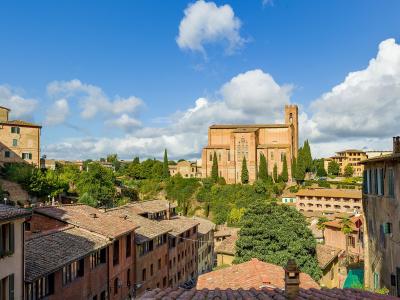
Basilica of San Domenico
Gothic basilica housing St. Catherine's head-relic
Architectural Monuments · Historic Churches
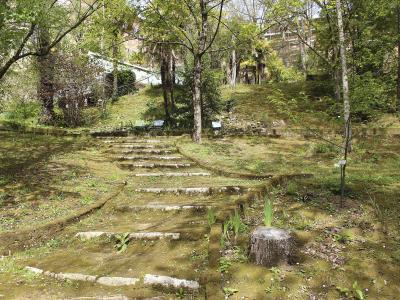
Orto Botanico dell'Università di Siena
University botanical garden on a hillside above Siena
Botanical Gardens · Educational Sites
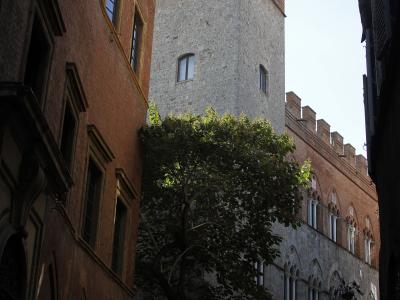
Palazzo Chigi Saracini
Gothic palace and music academy in Siena
Art Museums · Cultural Centers
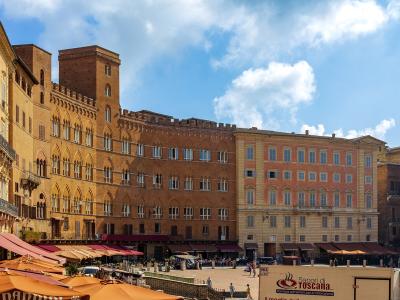
Piazza del Campo
Europe's greatest medieval scallop-shaped square
Free Historic Fountains · Historic Palaces
Questions people ask
Quick Facts
Best Time to Visit
Visit between April and June or September and October for mild temperatures and fewer crowds.