
Lucca
Walled Tuscan city with intact ramparts, medieval towers, and relaxed vibe
Lucca’s history is deeply rooted in its Etruscan and Roman origins, where it was known as Luca. The city flourished as an independent republic during the Middle Ages, becoming a powerful commercial and political center in Tuscany. Its wealth allowed for the construction of impressive fortifications, including the massive walls that still define the city’s shape today. During the Renaissance, Lucca remained a prosperous republic, known for its silk industry and banking. The city’s independence lasted until 1847, when it was annexed by the Grand Duchy of Tuscany. Today, Lucca preserves its historic center, with narrow streets, medieval palaces, and churches that reflect its layered past as a medieval republic and Renaissance hub.
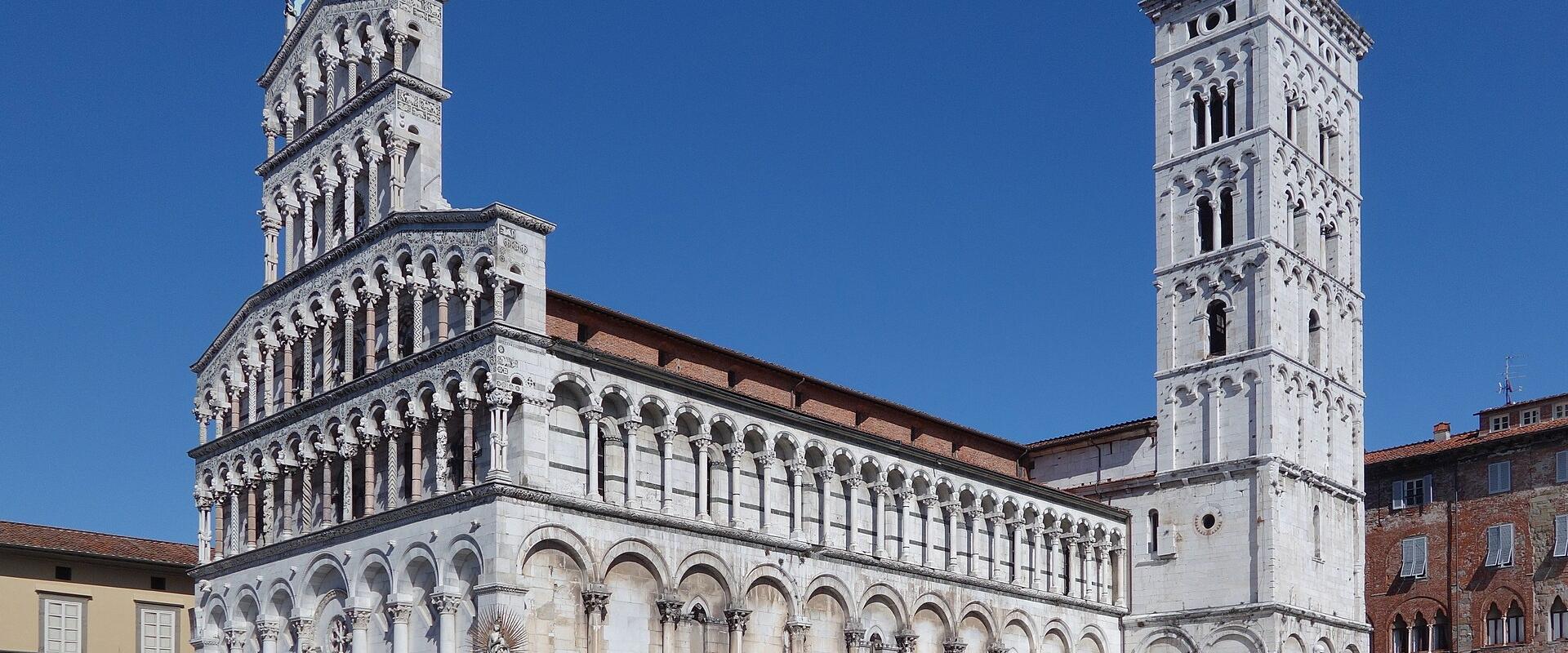
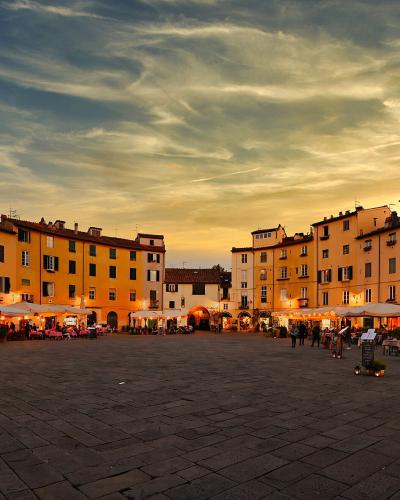
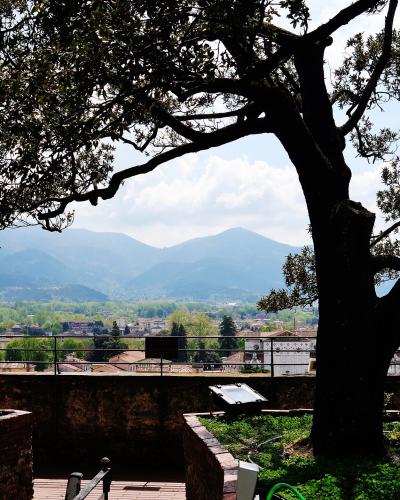
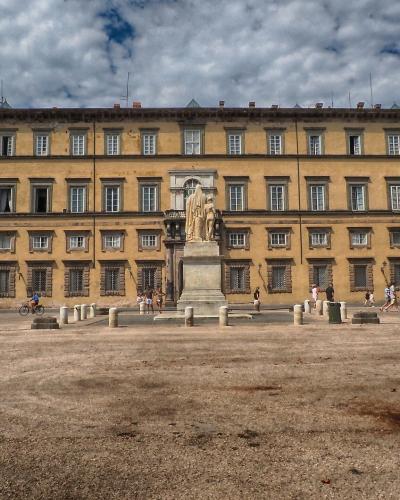
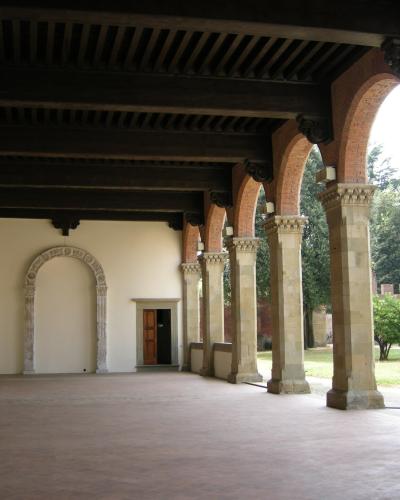
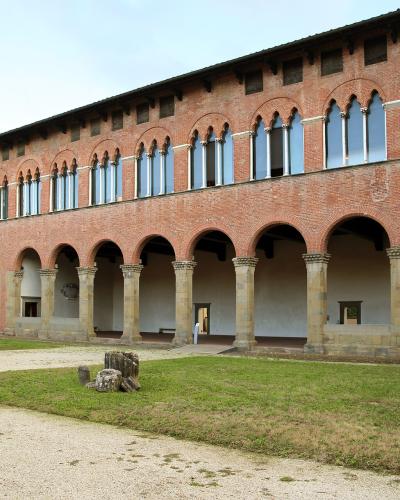
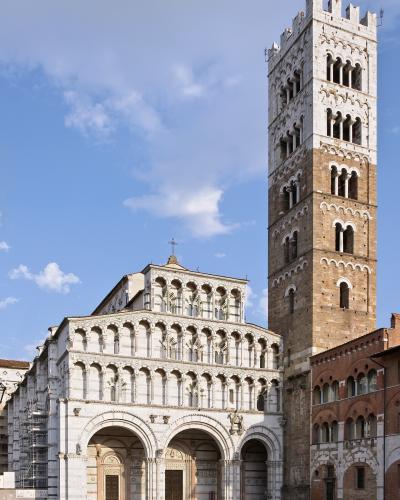
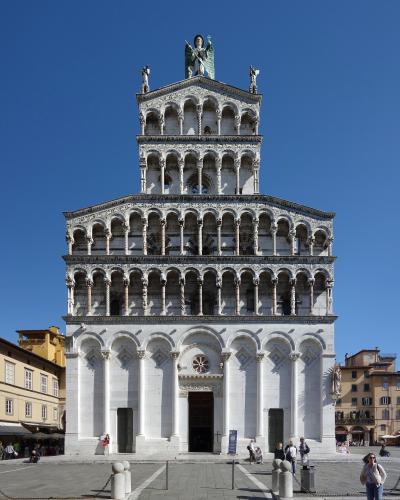
The main attractions in Lucca are centered around its walls and historic center. The Lucca Walls, a green belt of plane trees and cypresses, are perfect for walking and cycling, offering panoramic views of the city and surrounding countryside. Inside the walls, Piazza dell’Anfiteatro is a unique oval square built on the ruins of the ancient Roman amphitheater, surrounded by medieval buildings and cafes. The Guinigi Tower, topped with a garden of ancient holm oaks, offers one of the best views of the city. The Cathedral of San Martino, with its striking facade and interior frescoes, is a significant religious site. The city also features the Villa Guinigi, a 14th-century palace with a beautiful garden, and the Church of San Michele in Foro, built on the site of an ancient Roman forum.
Activities in Lucca include exploring the historic center, cycling on the walls, and enjoying the local cuisine. The city is known for its traditional Tuscan dishes, including pici pasta, wild boar ragù, and local wines like Vernaccia di San Gimignano. Visitors can take guided tours to learn about the history of the Lucca Republic and the silk industry. The surrounding area offers opportunities for hiking in the Apuan Alps and visiting nearby towns like Pisa and Florence. Lucca also hosts various festivals and events throughout the year, including the Lucca Comics & Games festival, one of the largest comic conventions in Europe. Shopping includes local ceramics, textiles, and food products. For those interested in history, guided tours are available to explore the medieval and Renaissance heritage of the city.
Getting to Lucca is convenient via rail and road. The city is well-connected by train from Florence, with frequent services taking approximately 1 hour. For those traveling by car, the A11 motorway provides easy access from Florence and Pisa. The nearest airport is Pisa International Airport, located about 20 kilometers away. The best time to visit Lucca is from April to June or September to October, when the weather is mild and pleasant, ideal for exploring the outdoor attractions and historic sites. July and August are peak tourist months, with higher temperatures and larger crowds. Winter is cool but offers a quieter experience, with the city’s museums and cafes providing cultural entertainment. Despite the seasonal variations, Lucca’s rich history and natural beauty make it a rewarding destination year-round.
Best Time to Visit
Visit between April and June or September and October for mild temperatures and fewer crowds.
Did you know?
Interesting, verified facts about Lucca
Lucca Preserves Medieval Heritage
HistoryIt serves as a premier tourism destination where medieval grandeur meets the relaxed rhythm of Tuscan life, distinguished by its remarkably well-preserved Renaissance walls that encircle the historic center.
Source: Walls of Lucca - WikipediaLucca Preserves Medieval Heritage
HistoryThe city offers a distinct atmosphere of tranquility and authenticity, characterized by its narrow cobblestone streets, numerous medieval towers, and vibrant piazzas.
Source: Lucca - WikipediaLucca Has Another Verifiable Detail
HistoryLucca provides visitors with a blend of architectural exploration, cultural heritage, and leisure activities, making it a compelling alternative to more crowded Tuscan destinations like Florence or Pisa.
Source: Pisa vs Lucca: Best Day Trip from Florence? — Which City Should I Travel ToPlan Your Visit to Lucca
Essential travel tips and information for your trip to Lucca.
Suggested Itineraries
Travel Tips
Currency
EUR • Cards widely accepted
Language
Italian • English in tourist areas
WiFi
Free WiFi in cafes and hotels
Explore Lucca by Interest
Discover attractions and experiences in Lucca organized by your interests and travel preferences.
All attractions in Lucca
Sorted by our recommendation score

Quick Facts
Book your stay
Frequently Asked Questions
More destinations in Tuscany
Explore other amazing places in the Tuscany region