
Pavia
Historic university city on the Ticino River with medieval bridges
Pavia’s history dates back to pre-Roman times, when it was inhabited by the Insubres Celts. The Romans conquered the area in the 2nd century BC, establishing the colony of Ticinum, which became an important military and administrative center. During the Middle Ages, Pavia rose to prominence as the capital of the Kingdom of the Lombards. The Lombard kings ruled from Pavia for over two centuries, leaving a lasting impact on the city’s architecture and culture. After the fall of the Lombard Kingdom, Pavia came under Frankish and Holy Roman Empire control. In the 12th century, the University of Pavia was founded, becoming a major center for legal and medical studies in Europe. The city was contested between Milan and other powers, leading to periods of decline and reconstruction. The 15th and 16th centuries saw the construction of some of Pavia’s most significant monuments, including the Certosa di Pavia. Pavia remained under Spanish and Austrian rule until Italian unification in the 19th century. Today, the city preserves its historic center and academic traditions, offering a unique blend of history and modern student life.
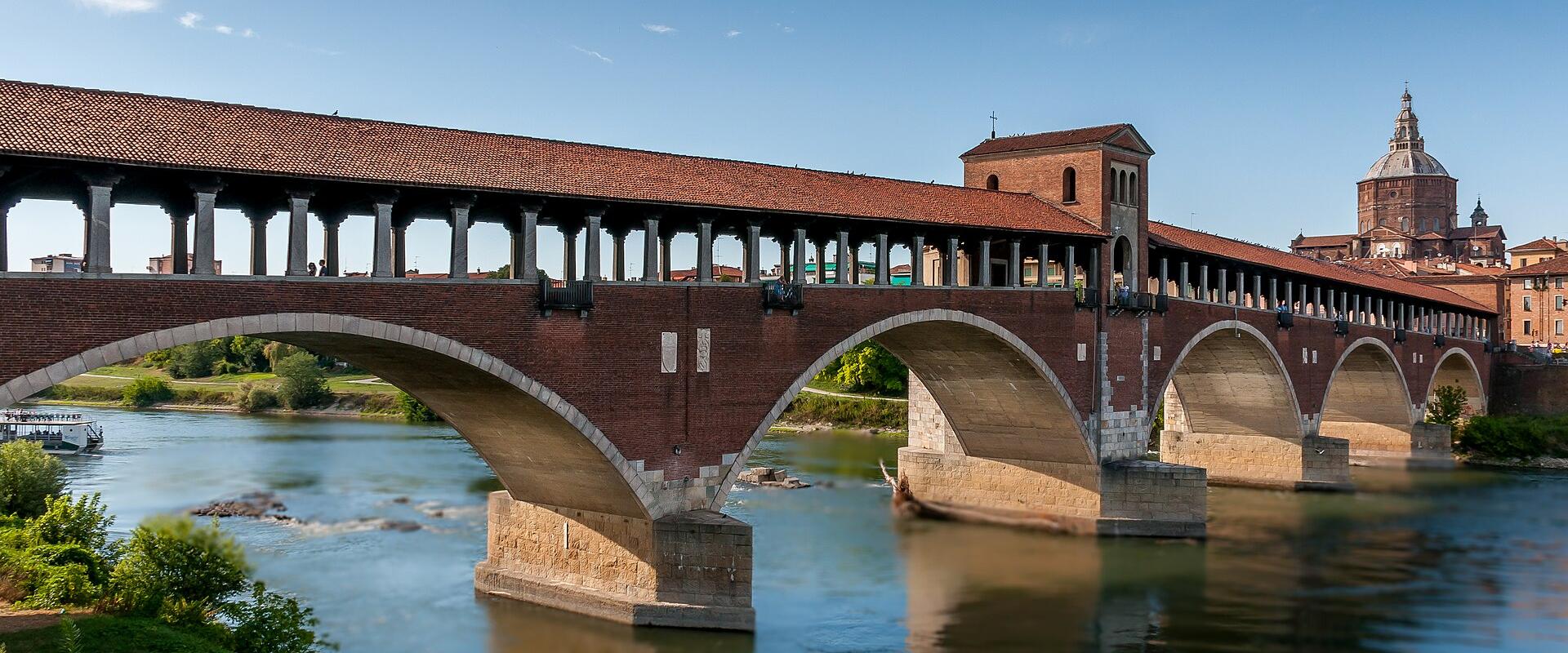
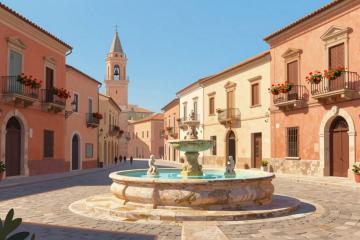
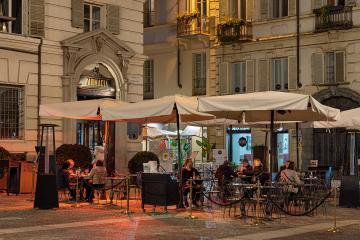
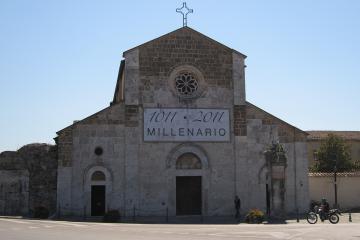
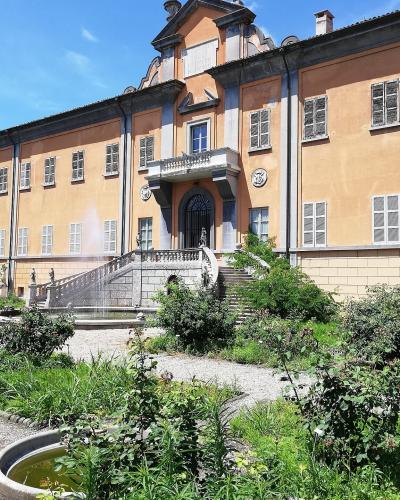
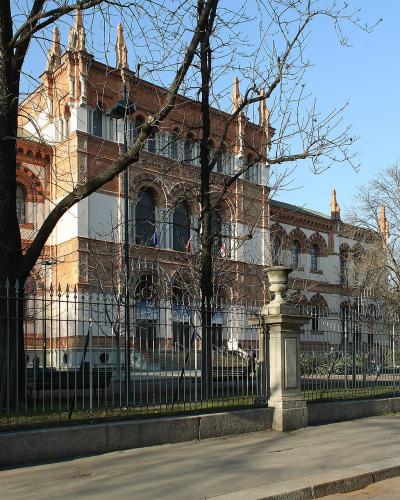
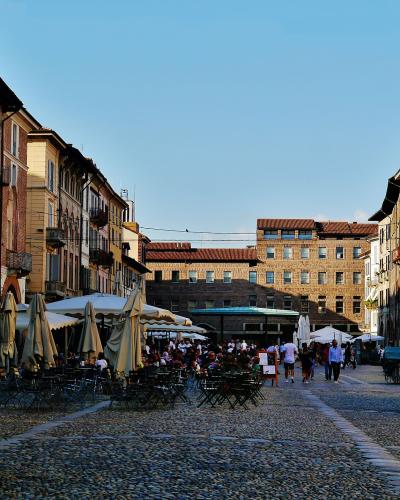
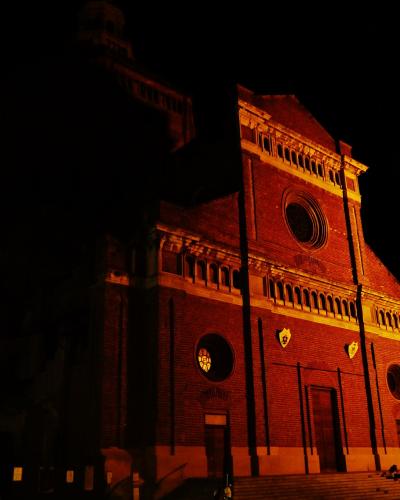
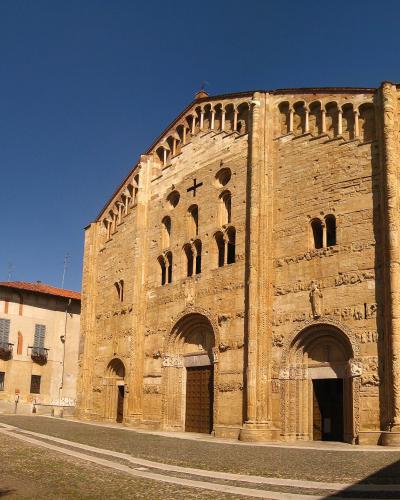
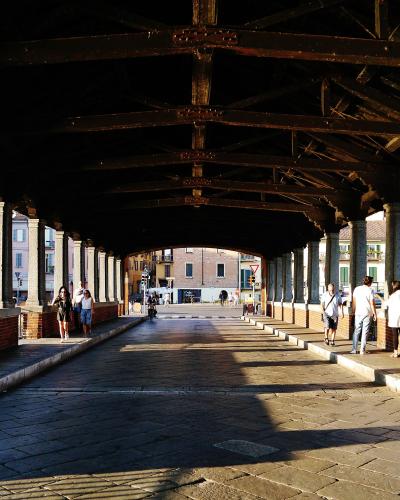
The main attractions in Pavia are centered around its medieval and Renaissance landmarks. The Certosa di Pavia, a magnificent Carthusian monastery located just outside the city center, is a masterpiece of Gothic and Renaissance architecture, featuring intricate frescoes and a stunning cloister. The Ponte Coperto, a medieval covered bridge spanning the Ticino River, is one of the few remaining covered bridges in Italy and offers picturesque views of the river. The Basilica of San Michele Maggiore, a Romanesque church with a distinctive striped facade, houses the tomb of Charlemagne. The University of Pavia’s historic buildings, including the Palazzo del Broletto, reflect the city’s academic heritage. The Piazza della Vittoria is the main square, surrounded by elegant palaces and cafes. The city also boasts numerous museums, such as the Civic Museum, which houses art and artifacts from the region’s history.
Activities in Pavia include exploring the historic sites, visiting the university, and enjoying the local cuisine. The city is known for its traditional Lombard dishes, such as risotto, ossobuco, and local wines like Oltrepò Pavese. Visitors can take boat trips on the Ticino River or explore the surrounding countryside, which is ideal for cycling and hiking. Pavia also hosts various festivals and events throughout the year, including the Pavia Jazz Festival and the University’s academic ceremonies. Shopping includes local ceramics, textiles, and food products. For those interested in history, guided tours are available to explore the Lombard and Romanesque heritage of the city.
Getting to Pavia is convenient via rail and road. The city is well-connected by train from Milan, with frequent services taking approximately 30 minutes. Pavia has a railway station in the city center. For those traveling by car, the A7 motorway provides easy access from Milan and Genoa. The nearest airport is Milan Malpensa, located about 40 kilometers away. The best time to visit Pavia is from April to June or September to October, when the weather is mild and pleasant, ideal for exploring the outdoor attractions and historic sites. July and August are peak tourist months, with higher temperatures and larger crowds. Winter is cold but offers opportunities for indoor cultural activities. Despite the seasonal variations, Pavia’s rich history and academic charm make it a rewarding destination year-round.
Best Time to Visit
Visit between April and June or September and October for mild temperatures and fewer crowds.
Did you know?
Interesting, verified facts about Pavia
Pavia Is Shaped by a River
HistoryPavia is a historic city in the Lombardy region of northern Italy, located approximately 35 kilometers south of Milan on the banks of the Ticino River.
Source: Pavia - WikipediaPavia Keeps Roman-Era Traces
HistoryPavia’s historic center is characterized by Romanesque architecture, including the iconic Ponte Coperto (Covered Bridge) and the magnificent Certosa di Pavia monastery.
Source: Ponte CopertoPavia Has Deep Founding Roots
RecordIt serves as the capital of the Province of Pavia and is renowned for its rich academic heritage, home to the University of Pavia, one of the oldest universities in the world, founded in 1361.
Source: List of oldest universities in continuous operationPlan Your Visit to Pavia
Essential travel tips and information for your trip to Pavia.
Suggested Itineraries
One Day in Pavia
1 dayPerfect for a quick visit. See the main highlights and get a taste of local culture.
Extended Pavia Experience
2-3 daysComprehensive exploration including nearby attractions and cultural experiences.
Travel Tips
Currency
EUR • Cards widely accepted
Language
Italian • English in tourist areas
WiFi
Free WiFi in cafes and hotels
Explore Pavia by Interest
Discover attractions and experiences in Pavia organized by your interests and travel preferences.

All attractions in Pavia
Sorted by our recommendation score
Quick Facts
Book your stay
Frequently Asked Questions
More destinations in Lombardy
Explore other amazing places in the Lombardy region