







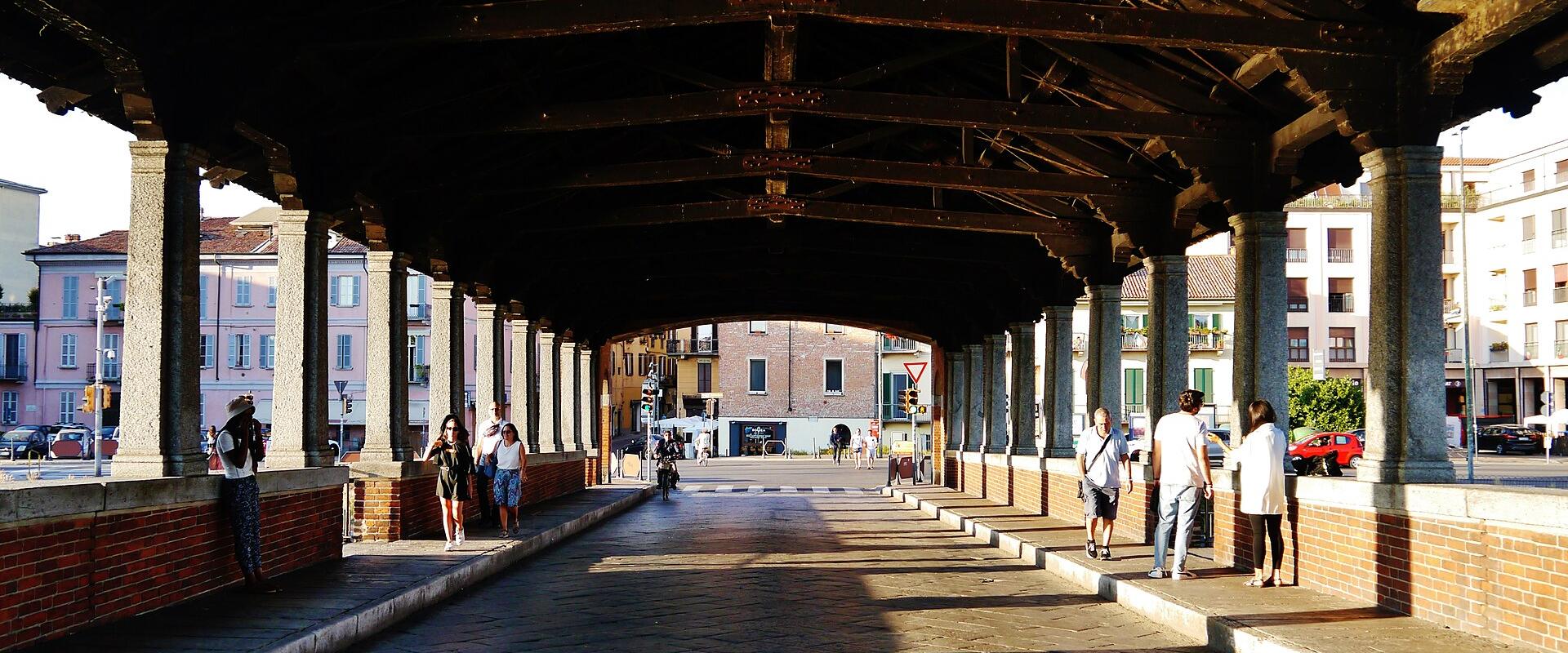
Ponte Coperto (Covered Bridge)
14th-century covered bridge spanning the Ticino River
- Where
- Pavia, Lombardy
- Directions
- Directions
The Ponte Coperto, the Covered Bridge, also known as Ponte Vecchio, is the historic stone and brick arch bridge that crosses the Ticino River in Pavia, in Lombardy, a short distance upstream from where the river joins the Po. It is one of the most recognizable landmarks in the city, featuring five arches and spanning 216 meters, and the view of its low red arches against the water, with the dome of the cathedral behind, is the image most often used for Pavia. The bridge links the old town with the Borgo Ticino on the opposite bank, a former fishermen’s quarter, so it is both a monument and an everyday crossing.
The present bridge is a reconstruction. The current structure was reconstructed between 1949 and 1951, replacing a predecessor that had been heavily damaged by Allied bombing during the Second World War, in 1945, and partially collapsed in 1947. The new design closely followed the original layout, which dated back to 1354, when the Visconti lords of Milan ordered the building of a roofed bridge over the Ticino as part of their works in Pavia. The medieval bridge had seven arches and a covered walkway with a roof supported on columns, a feature that gave it its name, Covered Bridge. After the war, the roof was not rebuilt, so the modern bridge is no longer covered in the full sense, though the name has remained. Like its historical predecessors, the current bridge bears a chapel, adding to its architectural and cultural significance, dedicated to Saint John Nepomuk, a patron of bridges.
The site has deep historical roots. A crossing of the Ticino at Pavia, which the Romans knew as Ticinum, has existed since antiquity, and the medieval bridge replaced earlier structures. Until the 19th century, it was the only brick bridge over the Ticino River from Lake Maggiore to its confluence with the Po, which shows how important it was for the trade and travel of the Lombard plain. Pavia was the capital of the Lombard kingdom and a major city for centuries, and the bridge was part of its network of roads and river transport.
It offers a picturesque setting for walking and photography, with views of the river and the surrounding city. The bridge is for pedestrians and is a pleasant promenade at any time of day, with the river flowing wide and green below and the willows and boathouses along the bank. Steps at the end of the bridge lead down to the riverside paths. The Ponte Coperto is a vital connection between the two sides of Pavia and remains a central point for both locals and tourists, who gather at its southern end to chat and to enjoy the view at sunset.
Exploring the bridge provides a tangible link to the city’s medieval and Roman history, making it an essential stop for anyone visiting Pavia. From the bridge it is only a short walk to the Duomo, the University of Pavia and the Basilica of San Michele Maggiore, and the Certosa di Pavia lies a short drive to the north. The structure’s resilience and continued use highlight its enduring importance to the community.
More photos coming soon
Nearby Attractions
Other places to visit in Pavia
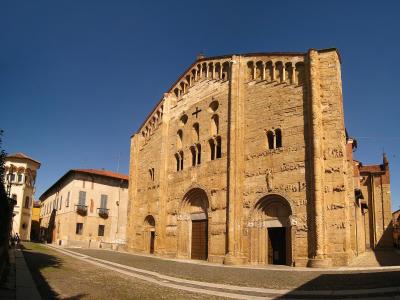
Basilica of San Michele Maggiore
Lombard Romanesque basilica, site of Italian royal corona...
Architectural Monuments · Historic Churches
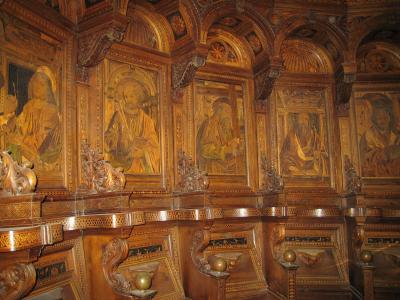
Certosa di Pavia
Gothic monastery with Renaissance frescoes
From €10 Art Museums · Botanical Gardens
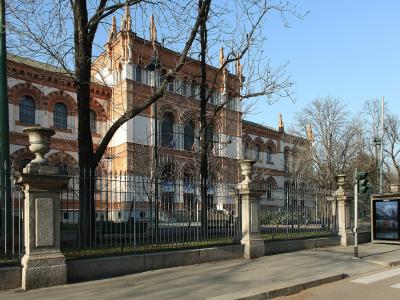
Museo di Storia Naturale
18th-century university museum with 400,000 specimens
History & Heritage · Museums & Culture
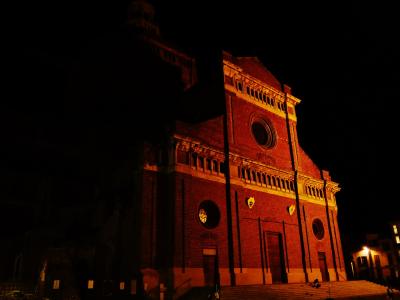
Pavia Cathedral (Duomo di Pavia)
Renaissance cathedral designed by Bramante
Architectural Monuments · Historic Churches
Questions people ask
Quick Facts
Best Time to Visit
Visit between April and June or September and October for mild temperatures and fewer crowds.