







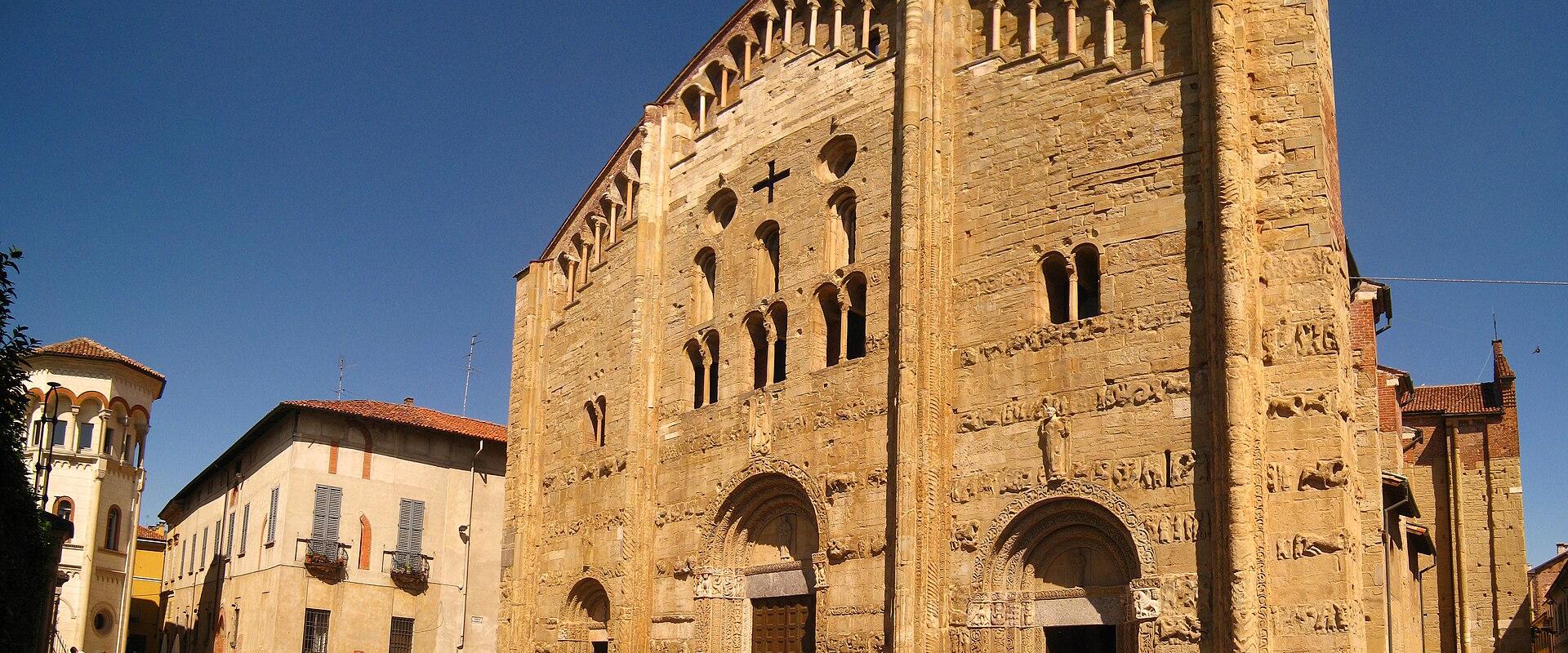
Basilica of San Michele Maggiore
Lombard Romanesque basilica, site of Italian royal corona...
- Where
- Pavia, Lombardy
- Directions
- Directions
The Basilica of San Michele Maggiore in Pavia is a premier example of Lombard Romanesque architecture and a significant monument in medieval European history. It stands in the historic center, not far from the Ticino River, in a city that was the capital of the Lombard kingdom, and it served as the coronation site for the Kings of Italy for nearly five centuries when Pavia was a leading political capital. Frederick Barbarossa was crowned here in 1155, in the course of his campaigns in Italy. The basilica’s origins date back to the Lombard period, with historical records mentioning it as a principal religious building near the Royal Palace, which has since disappeared.
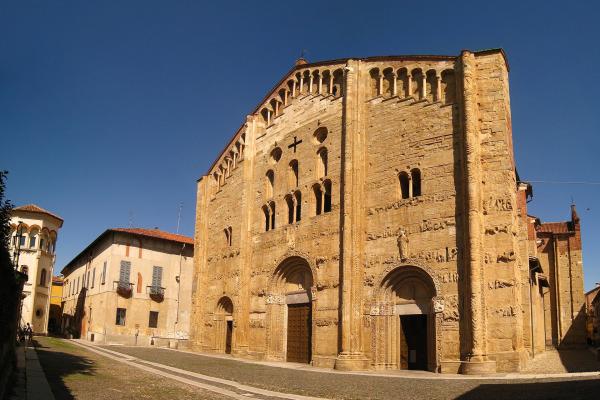
The current fabric of the basilica dates principally to the 11th and 12th centuries, after earlier buildings were damaged by fire and an earthquake. It is dedicated to the Archangel Michael, a patron saint of the Lombards, who saw him as a warrior protector. The church is built of pale sandstone, now weathered and worn, and has a plan in the form of a Latin cross, with a nave, two aisles, and an octagonal lantern above the crossing. The overall impression is of a sober, powerful structure typical of the Romanesque period in northern Italy, in which massive walls and round arches dominate.
Key attractions for visitors include the sculpted facade, which features intricate medieval stone decoration. Bands of carved reliefs and decorative arcading run across the front, showing fantastic creatures, sea monsters, dragons, knights and symbolic figures, in a style that mixes Christian and older Germanic imagery. The sandstone is soft and has eroded, which gives the carvings a mysterious, weathered look. Inside, a raised choir and an atmospheric crypt create a dim and quiet space, and in the presbytery, medieval floor mosaics show scenes and symbols, including the signs of the zodiac and the months, laid in colored stone. Look also at the capitals, carved with animals and foliage.
The architectural quality and historical significance make it a focal point for understanding the region’s medieval heritage. The basilica is a stop on the pilgrim route known as the Via Francigena, which crosses Pavia on its way from northern Europe to Rome, and many walkers pause here. It is advisable to check local tourism resources for current schedules and any potential entry fees for the crypt or guided tours, as access may vary and the church is also a place of worship.
Exploring the Basilica of San Michele Maggiore offers insight into Pavia’s royal and religious history. It complements visits to other landmarks in Pavia, such as the Ponte Coperto, the covered bridge over the Ticino, the Visconti Castle and the cathedral, and the University of Pavia, one of the oldest in Europe, which gives the city a lively student presence. The basilica suits those interested in Romanesque architecture and medieval history, and it is a quiet counterpart to the Certosa di Pavia, the monumental Carthusian monastery a short journey north of the city.
Categories
More photos coming soon
Nearby Attractions
Other places to visit in Pavia
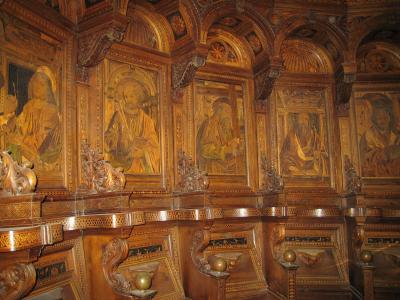
Certosa di Pavia
Gothic monastery with Renaissance frescoes
From €10 Art Museums · Botanical Gardens
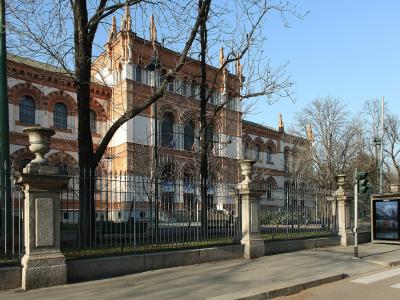
Museo di Storia Naturale
18th-century university museum with 400,000 specimens
History & Heritage · Museums & Culture
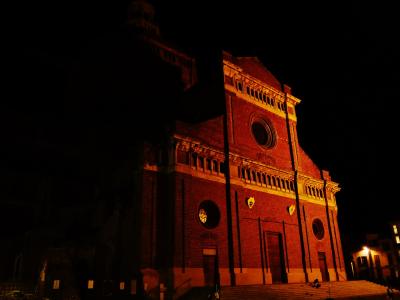
Pavia Cathedral (Duomo di Pavia)
Renaissance cathedral designed by Bramante
Architectural Monuments · Historic Churches
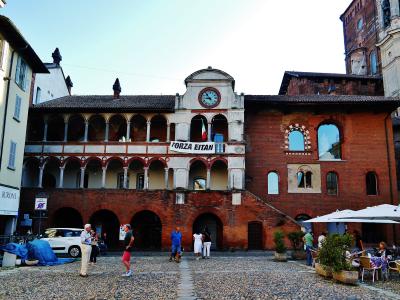
Piazza della Vittoria
Pavia's main square, historically the site of the city's ...
Free Historic Districts · Town Squares
Questions people ask
Quick Facts
Best Time to Visit
Visit between April and June or September and October for mild temperatures and fewer crowds.