







- Where
- Pavia, Lombardy
- Directions
- Directions
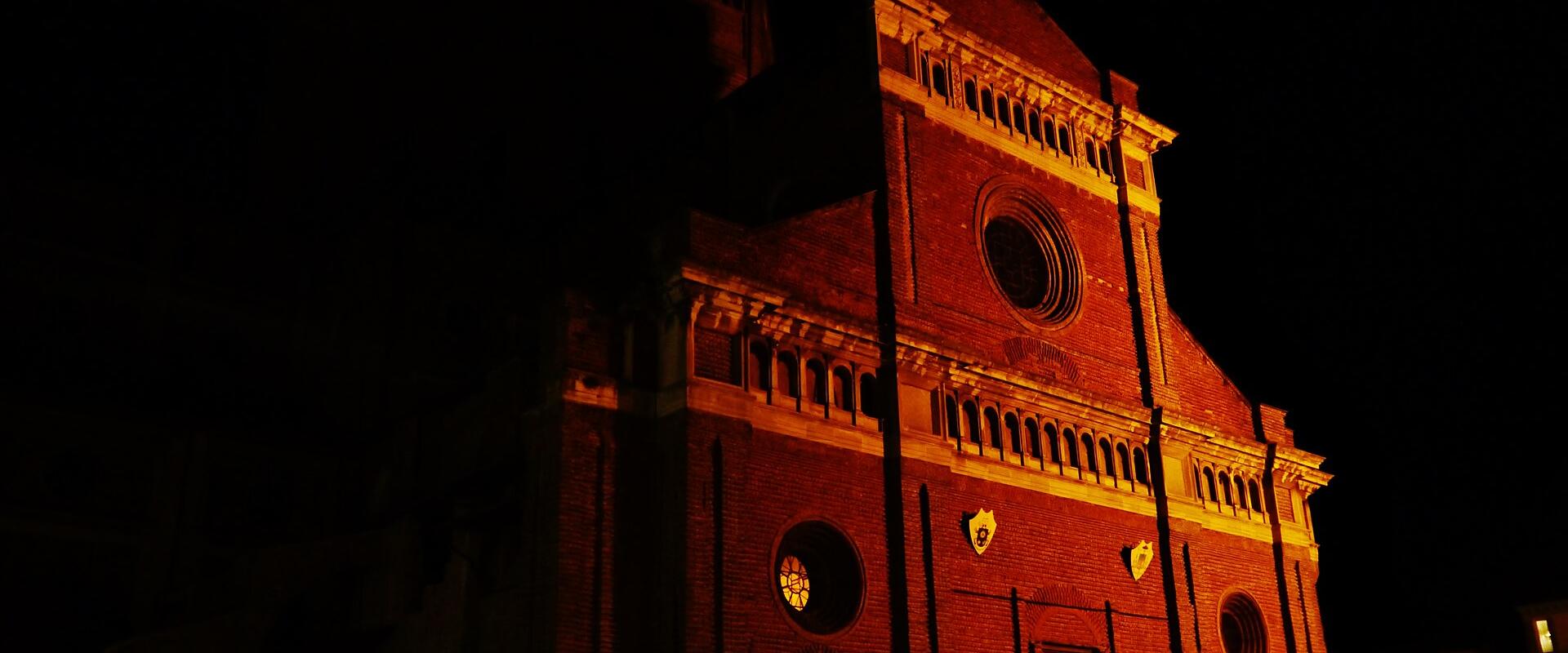
Pavia Cathedral, the Duomo di Pavia, is a large Renaissance-style church in the centre of Pavia, in Lombardy, and it is the seat of the Roman Catholic Diocese of Pavia. It is one of the most ambitious Renaissance churches of northern Italy, and it is notable for a huge dome, which is among the largest in the country. Construction began in 1488 on the site of two earlier Romanesque cathedrals, Santo Stefano and Santa Maria del Popolo, which were demolished to make room. The old buildings were used in succession as the cathedral, which explains why a plan of this scale was needed.
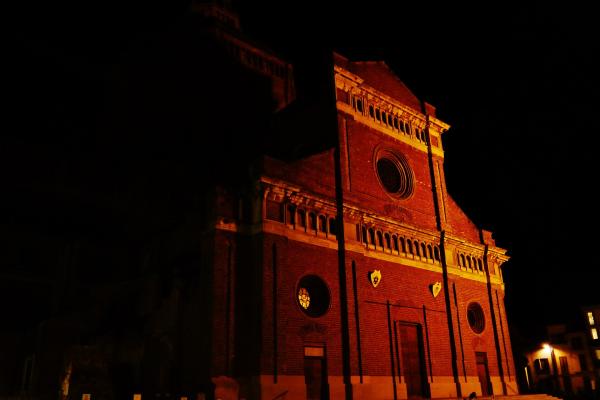
The design was entrusted to some of the leading architects of the time. Donato Bramante, who worked at the Sforza court in Milan, produced an early project, and Giovanni Antonio Amadeo, the sculptor and architect of the Certosa di Pavia, was also involved. Leonardo da Vinci is recorded as having given advice. The church was built over centuries by many hands, which is why the style combines elements of the High Renaissance with later changes. The dome, which rises above a central plan with a ring of chapels, was only completed in the late nineteenth century, and its height makes it visible across the city. The marble facing of the facade was never finished, so the front remains partly in brick, an unfinished appearance that is a distinctive feature.
Inside, the cathedral houses important religious relics. These include the remains of St. Syrus, the first bishop and patron saint of Pavia, and a relic believed to be a thorn from the Crown of Thorns. The large interior has a spacious feeling, with the massive piers carrying the dome and a series of chapels with altars and paintings.
A sad part of the story concerns the Civic Tower. Next to the cathedral stood the Torre Civica, a medieval tower from the eleventh century, which collapsed suddenly in March 1989, killing four people. The loss was a shock for the city, and it is remembered as a significant event in Pavia’s modern history. The place where it stood is now an open space, and the tower is still commemorated.
Visitors can explore the cathedral at no charge, though opening hours around services should be checked. Dress modestly. Pavia is a quiet university city, and the cathedral is close to the old university, to the Piazza della Vittoria, the main square, and to the Ponte Coperto, the Covered Bridge, over the Ticino river, which was rebuilt after the Second World War. The Certosa di Pavia lies to the north of the city and is easy to reach. Allow about thirty minutes at the cathedral, and more for the city. The best time is the morning.
Categories
More photos coming soon
Nearby Attractions
Other places to visit in Pavia
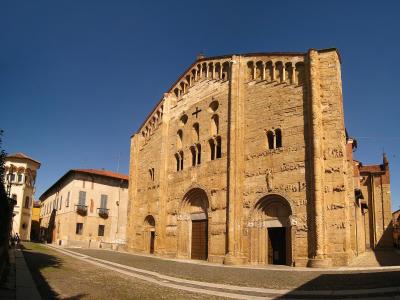
Basilica of San Michele Maggiore
Lombard Romanesque basilica, site of Italian royal corona...
Architectural Monuments · Historic Churches
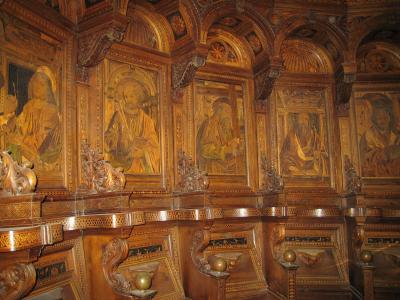
Certosa di Pavia
Gothic monastery with Renaissance frescoes
From €10 Art Museums · Botanical Gardens
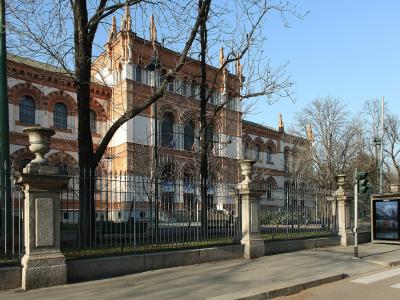
Museo di Storia Naturale
18th-century university museum with 400,000 specimens
History & Heritage · Museums & Culture
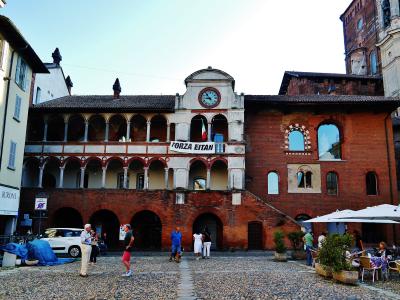
Piazza della Vittoria
Pavia's main square, historically the site of the city's ...
Free Historic Districts · Town Squares
Questions people ask
Quick Facts
Best Time to Visit
Visit between April and June or September and October for mild temperatures and fewer crowds.