







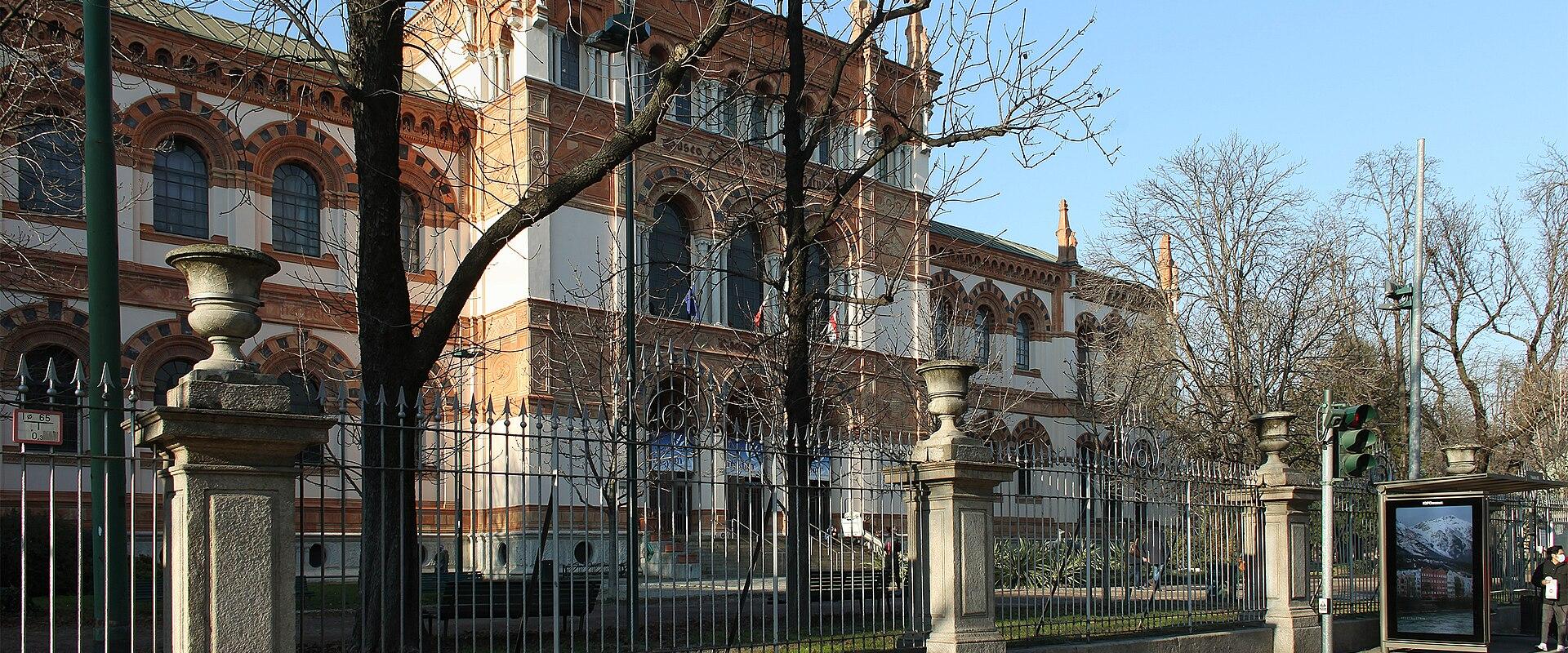
- Where
- Pavia, Lombardy
- Directions
- Directions
The Museo di Storia Naturale of Pavia is the natural history museum of the University of Pavia, and it is among Europe’s oldest museums of its kind. It was established in the 1770s as part of the reforms of the university carried out under the Empress Maria Theresa of Austria, whose government ruled Lombardy at the time. The first director was Professor Lazzaro Spallanzani, one of the most celebrated naturalists of the eighteenth century, who built up the collections and used the museum for his research. The institution is housed in Palazzo Botta Adorno, a grand eighteenth-century palace in the city centre, and it now belongs to the museum network of the University of Pavia.
Spallanzani was a remarkable scientist. He is remembered for experiments that disproved the theory of spontaneous generation, showing that microorganisms do not arise from nothing in a sealed broth, and for his studies of digestion and of bats, whose ability to fly in darkness he investigated in ways that later led to the discovery of echolocation. He gathered specimens from across Italy and abroad, and the museum records the beginnings of modern scientific collecting.
The collections are organised according to the Linnaean classification system, the method of grouping living things into genus and species that was new at the time. The museum conserves a natural heritage of high scientific and historical value, with almost 400,000 specimens divided among zoology, comparative anatomy and paleontology. Minerals donated by Maria Theresa form one section, and anatomical preparations and instruments from the surgeon Antonio Scarpa, who taught at Pavia and is known for his studies of the nerves and the ear, add to the interest. The cases and cabinets are partly original, and walking through them is like entering a eighteenth-century cabinet of curiosities.
Visitors can see skeletons, stuffed animals, birds, shells, insects, fossils and wax or plaster models, which together offer a comprehensive view of the natural world as it was understood in the eighteenth and nineteenth centuries. It is a museum for people who enjoy the history of science as much as nature, and it is also a good place for families with curious children.
Pavia is a university city that has produced several scientists, including Alessandro Volta and Camillo Golgi, and the museum is part of that story. The Visconti Castle, the Ponte Coperto, the covered bridge over the Ticino, and the cathedral are all close by. Opening times for university museums are often limited to certain days, so check locally. Allow about an hour. The museum is a good choice on a rainy day, and it fits well with a walk through Pavia’s old streets.
Categories
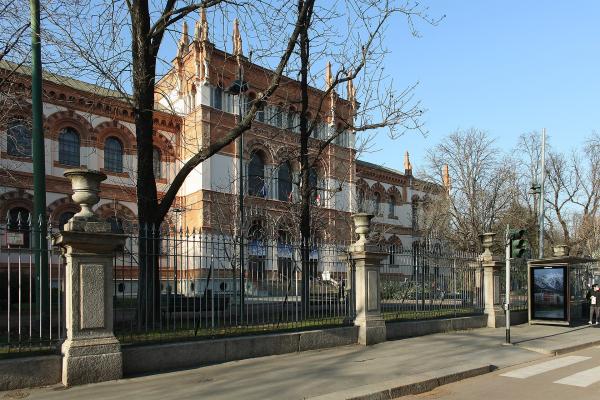
More photos coming soon
Nearby Attractions
Other places to visit in Pavia
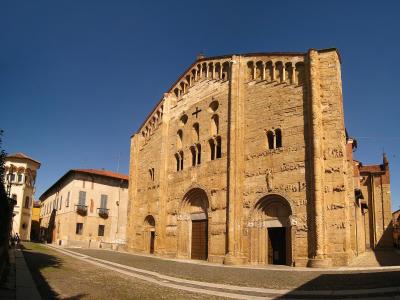
Basilica of San Michele Maggiore
Lombard Romanesque basilica, site of Italian royal corona...
Architectural Monuments · Historic Churches
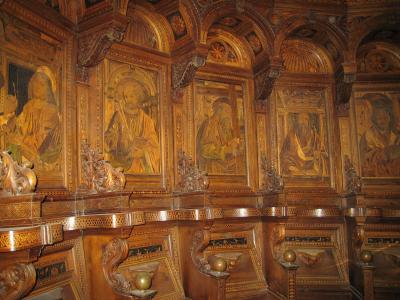
Certosa di Pavia
Gothic monastery with Renaissance frescoes
From €10 Art Museums · Botanical Gardens
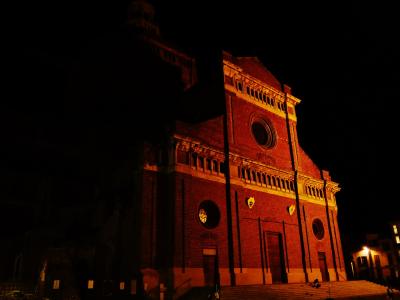
Pavia Cathedral (Duomo di Pavia)
Renaissance cathedral designed by Bramante
Architectural Monuments · Historic Churches
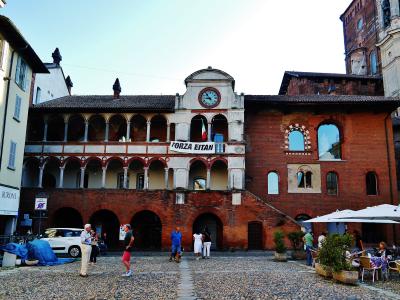
Piazza della Vittoria
Pavia's main square, historically the site of the city's ...
Free Historic Districts · Town Squares
Questions people ask
Quick Facts
Best Time to Visit
Visit between April and June or September and October for mild temperatures and fewer crowds.