







- Where
- Pavia, Lombardy
- Directions
- Directions
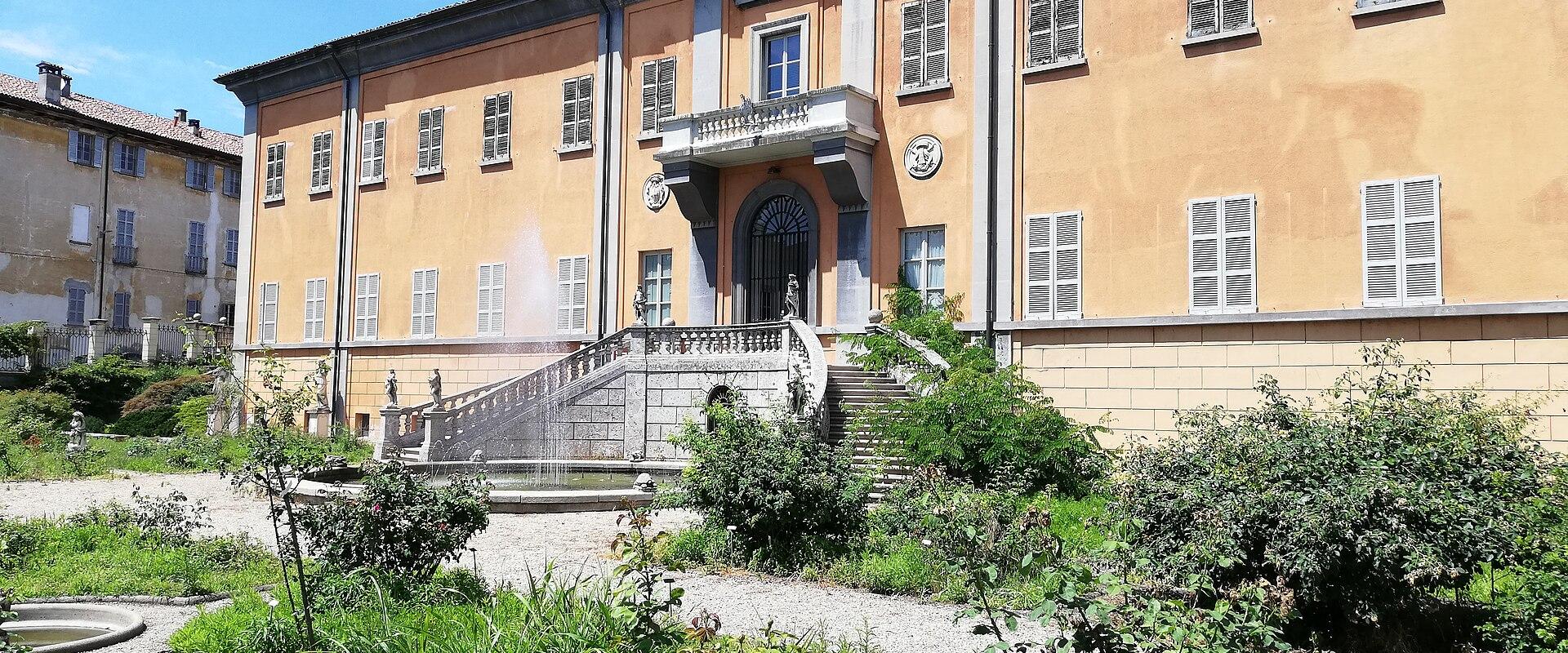
The University of Pavia is a pillar of a town that has been a university town for more than six hundred years; the history of the university shapes the rhythm of the place: bicycles in the streets, students in the cafes and a sense that learning is the main local industry. The institution was founded in 1361 under the Visconti, who ruled Milan and Pavia, and it is among the oldest in Europe, though not the oldest in Italy, a title that belongs to Bologna.
The historic centre of the university sits on Strada Nuova, the main street running through the old town. The main building has several courtyards, some arcaded in the Renaissance style, with plaques and monuments to the famous scholars who taught or studied here. Two stand out. Alessandro Volta, who developed the electric battery, held the chair of physics for many years in the late eighteenth century, and Camillo Golgi, the pioneering neuroscientist, who received the Nobel Prize in Physiology or Medicine in 1906, worked in Pavia. The courtyards are a pleasant place to pause in Pavia’s historic centre, where many streets are narrow.
The Museo per la Storia dell'Università, the Museum of the History of the University, gathers scientific instruments, documents and objects connected with the institution and its scholars, and gives visitors a way into the academic past. Opening arrangements change, so confirm current days and times on the official website before planning a visit. Because this is a working university, not every area is open to the public, and visitors should keep voices low and respect lectures and exams.
Pavia also has a distinctive system of residential colleges. The Collegio Borromeo and the Collegio Ghislieri, both founded in the sixteenth century, are among the best known and still house students today. Their buildings are generally seen from outside or on guided visits.
Combine a visit with the rest of the old town. The Basilica of San Michele Maggiore is an outstanding Romanesque church, the Duomo has a large Renaissance dome, the Ponte Coperto crosses the Ticino river, and the Museo di Storia Naturale is within reach. A few kilometres to the north lies the Certosa di Pavia, a great monastery well worth the trip. The university is best for visitors interested in the history of science, Italian education and quiet architecture, and it works well as a half-hour stop within a longer walk.
Categories
More photos coming soon
Nearby Attractions
Other places to visit in Pavia
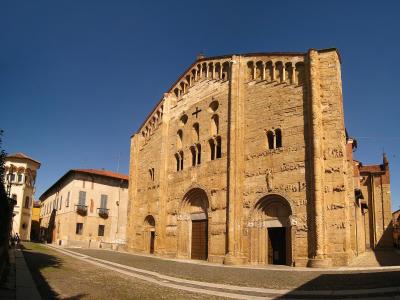
Basilica of San Michele Maggiore
Lombard Romanesque basilica, site of Italian royal corona...
Architectural Monuments · Historic Churches
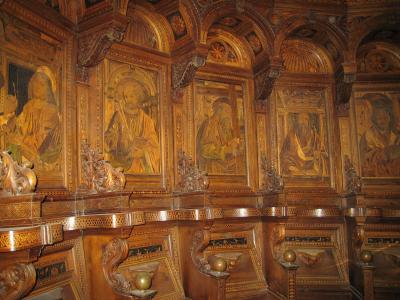
Certosa di Pavia
Gothic monastery with Renaissance frescoes
From €10 Art Museums · Botanical Gardens
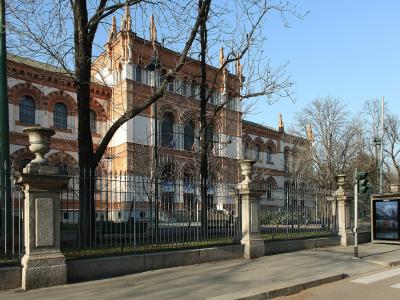
Museo di Storia Naturale
18th-century university museum with 400,000 specimens
History & Heritage · Museums & Culture
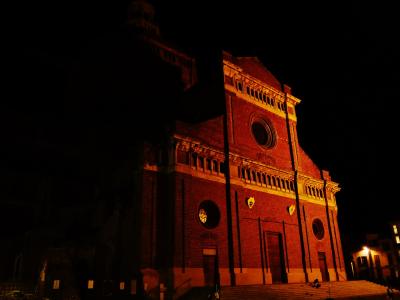
Pavia Cathedral (Duomo di Pavia)
Renaissance cathedral designed by Bramante
Architectural Monuments · Historic Churches
Questions people ask
Quick Facts
Best Time to Visit
Visit between April and June or September and October for mild temperatures and fewer crowds.