







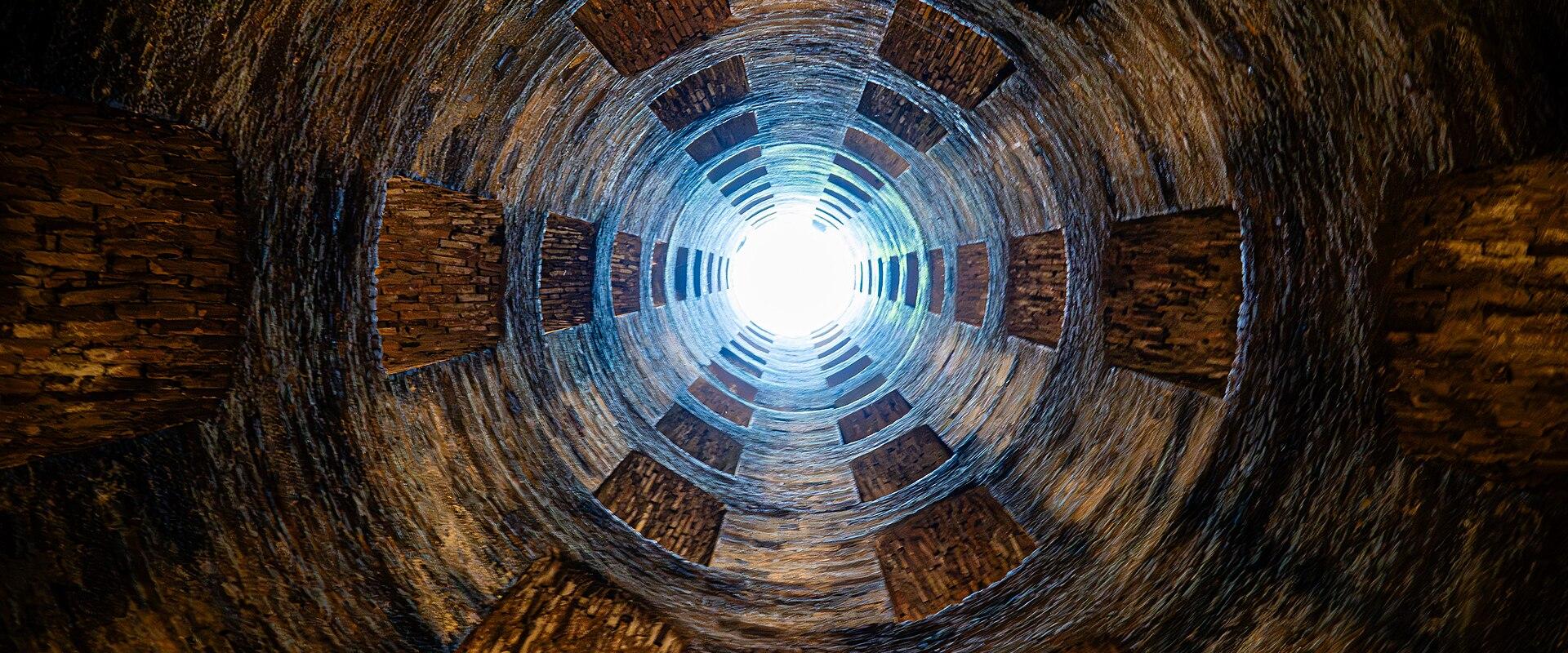
Pozzo di San Patrizio (St. Patrick's Well)
16th-century double-spiral well in Orvieto
- Where
- Orvieto, Umbria and Marche
- Directions
- Directions
The Pozzo di San Patrizio, St. Patrick’s Well, is a Renaissance engineering marvel in Orvieto, a hill town in Umbria built on a cliff of volcanic tuff. The well was commissioned by Pope Clemente VII, Clement VII in English, who took refuge in Orvieto in 1527 after the Sack of Rome by imperial troops. Aware that the city could be besieged and its water supply cut, he ordered a deep well to be dug within the walls, and the work was entrusted to Antonio da Sangallo the Younger, one of the leading architects of the time. Work began in 1527 and continued for about a decade; while Sangallo designed the structure, Giovanni Battista da Cortona supervised execution, and Simone Mosca handled decorative elements. The construction concluded during the papacy of Paul III.
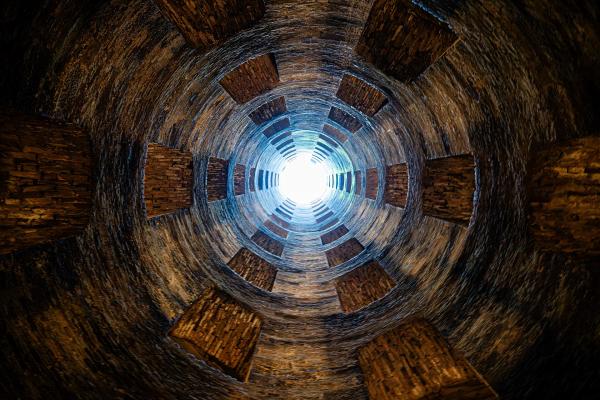
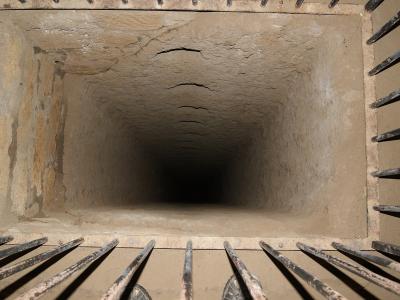
The design is the surprise. The well is a cylindrical shaft carved about 54 meters into the volcanic tuff plateau, wide enough to hold two helical staircases, one inside the other, wound around a central core. The two spiral ramps are autonomous and single-direction, with one used for going down and the other for coming up, and they never cross, so that mules carrying water jugs could travel up and down simultaneously without obstruction. The ramps are gently sloping rather than stepped, which is gentler for animals, and each is lit by windows cut through the inner wall, so that light enters the shaft from the center. The two staircases total over two hundred and forty steps in all, and the architectural effect, a double helix drawn in stone, is impressive from above and below.
The name has a curious origin. St. Patrick’s Well refers to a legendary cave in Ireland, known as St. Patrick’s Purgatory, a place of pilgrimage and a byword for depth in medieval Europe. The comparison with a bottomless well made the name stick, and the well entered popular tradition and proverbs as a symbol of a deep, almost limitless source.
Visitors walk down the ramps to a bridge across the bottom, where the water gleams in the shaft, then return by the second ramp. The walk is steady but long, and it is important to wear comfortable shoes suitable for walking on uneven terrain and to bring water, especially during the summer months. The air at the bottom is cool, a pleasant contrast to the heat above, and the rhythm of the descent encourages looking at the stonework and the windows.
The well is located at Piazza Cahen, near the funicular station and the Albornoz Fortress, at the edge of the old town, and it is easily combined with other sights. It offers insight into Renaissance engineering and Orvieto’s strategic history. The Orvieto Duomo, the Cathedral of Santa Maria Assunta, with its dazzling facade, and the Museo dell’Opera del Duomo are a short walk away, and Orvieto Underground, a network of Etruscan and medieval caves and cisterns beneath the town, gives a complementary view of how the city used its rock. The well suits engineering enthusiasts, families and anyone curious about how a cliff-top town secured its water.
Categories
More photos coming soon
Nearby Attractions
Other places to visit in Orvieto
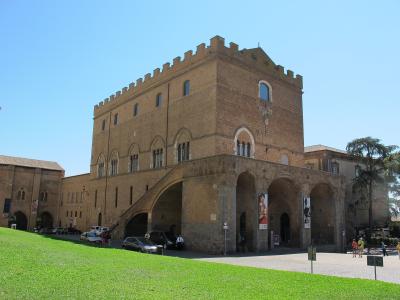
Museo dell'Opera del Duomo
Historic cathedral artifacts in Palazzo Soliano
From €5 History & Heritage · Museums & Culture
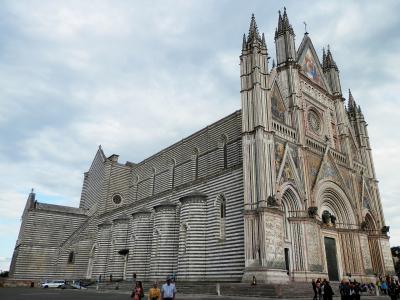
Orvieto Duomo (Cathedral of Santa Maria Assunta)
14th-century Gothic cathedral housing the Corporal of Bol...
Architectural Monuments · Cultural Tours
Orvieto Underground (Orvieto Underground)
3,000-year-old Etruscan tufa caves
From €8 History & Heritage · Museums & Culture
Tempio dell'Abbazia di San Severo
Medieval abbey ruins with frescoes near Orvieto
Ancient Ruins · Architectural Monuments
Questions people ask
Quick Facts
Best Time to Visit
Visit between April and June or September and October for mild temperatures and fewer crowds.