







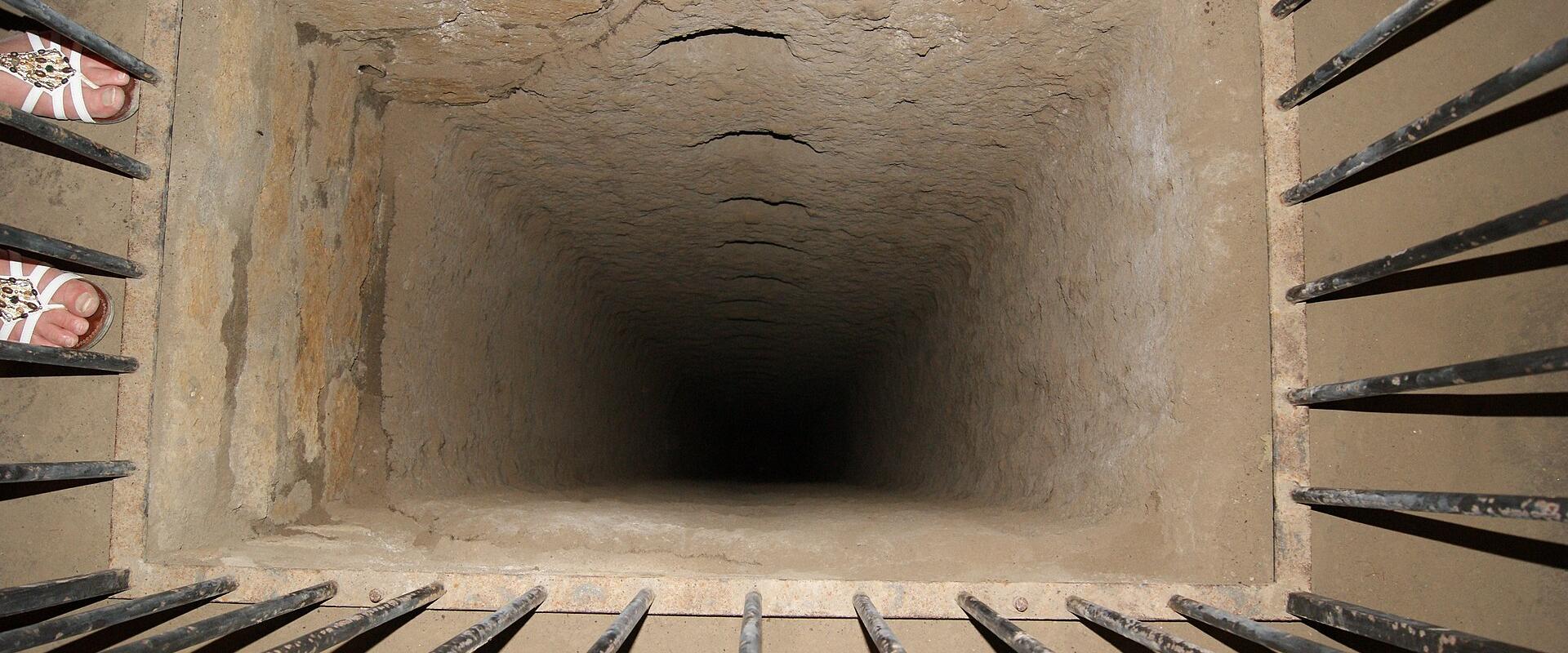
- Admission
- €10.00 per person
- €8.00 for groups, seniors, and
- Hours
- Daily tours depart at 11:00, 12:15, 16:00, and 17:15; closed on December 25
- Where
- Orvieto, Umbria and Marche
- Directions
- Directions
Orvieto Underground, in Italy, is a guided tour through the network of caves, tunnels, wells and cisterns that have been carved into the soft volcanic tufa rock beneath the town of Orvieto, in Umbria, which stands on a steep tufa plateau. The rock is easy to cut and sufficiently strong to hold open spaces, and for some three thousand years, the inhabitants have dug into it for many purposes, so that the ground below the town is honeycombed with more than one thousand two hundred underground rooms. The Etruscans, who founded a major city here, probably the town they called Velzna, and later the Romans and the people of the Middle Ages, all made use of the caves, which were used for storage, quarrying, water supply, craft workshops and defence.
The underground world was explored and documented in the second half of the 20th century by local speleologists, who started in the late 1970s and gradually mapped the cavities, many of which had been forgotten or filled with rubbish. Their work revealed the extraordinary scale and variety of the network, and led to the opening of a route for visitors. The tour descends through narrow passages and steps to different rooms, among them Etruscan wells with deep, bottle-shaped shafts, cisterns that collected rainwater and tunnels that served as workshops and cellars.
Among the most interesting features are the dovecotes, the columbaria, which medieval Orvietans cut into the walls, with rows of small niches where pigeons nested. Pigeon meat was a common part of the local diet, and the birds were raised in large numbers in these underground coops, which can still be seen. Another highlight is the remains of an olive oil mill, with its original millstones, grinders and presses, set in a large cave, which shows how olives were pressed in the Middle Ages and the Renaissance. Etruscan and medieval antiquities, including pottery and tools, add to the interest, and the guides explain how the town and the caves developed together.
The visit is possible only on a guided tour, as self-visits are not allowed, and the tours are led by local staff. The departure point and ticket office are at Piazza del Duomo, 23, near the cathedral, and tours leave at set times through the day, with more frequent departures in high season, so it is wise to check the schedule and to arrive early in summer. The tour lasts about an hour, and the temperature underground is cool, so a light jacket is useful, and shoes with a good grip are recommended as the steps can be damp. The experience is easily combined with the Orvieto Duomo (Cathedral of Santa Maria Assunta), the Museo dell’Opera del Duomo, the Pozzo di San Patrizio and the Tempio dell’Abbazia di San Severo. It suits families, history lovers and anyone curious about hidden places.
Categories
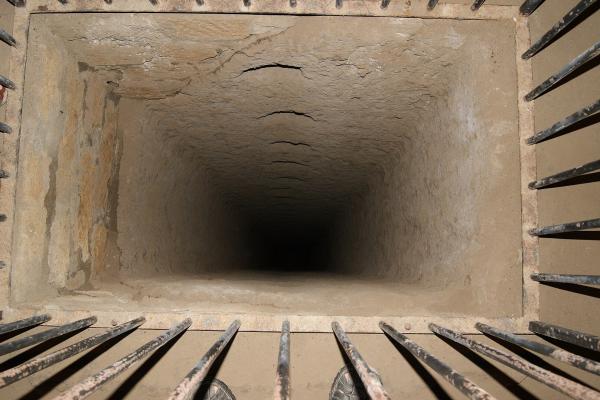
More photos coming soon
Hours & Fees
- Open
- Daily tours depart at 11:00, 12:15, 16:00, and 17:15; closed on December 25
- Admission
- €10.00 per person; €8.00 for groups, seniors, and
Hours and prices change, especially out of season. Check with the venue before you go.
Nearby Attractions
Other places to visit in Orvieto
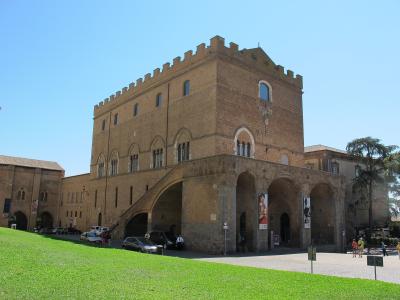
Museo dell'Opera del Duomo
Historic cathedral artifacts in Palazzo Soliano
From €5 History & Heritage · Museums & Culture
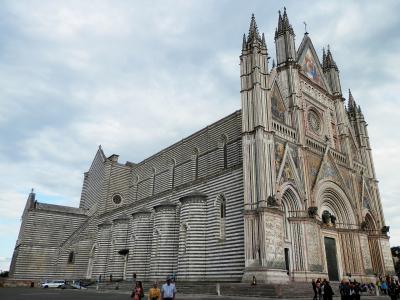
Orvieto Duomo (Cathedral of Santa Maria Assunta)
14th-century Gothic cathedral housing the Corporal of Bol...
Architectural Monuments · Cultural Tours
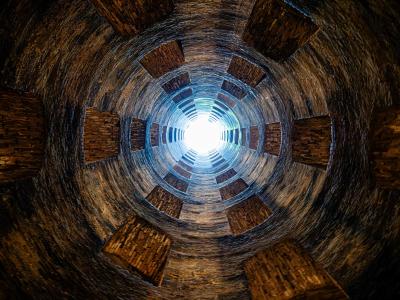
Pozzo di San Patrizio (St. Patrick's Well)
16th-century double-spiral well in Orvieto
Architectural Monuments · Educational Sites
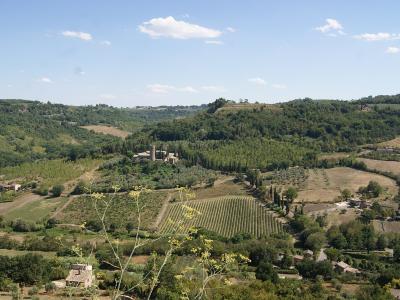
Tempio dell'Abbazia di San Severo
Medieval abbey ruins with frescoes near Orvieto
Ancient Ruins · Architectural Monuments
Questions people ask
Quick Facts
€10.00 per person
€8.00 for groups, seniors, and.
Best Time to Visit
Visit between April and June or September and October for mild temperatures and fewer crowds.