







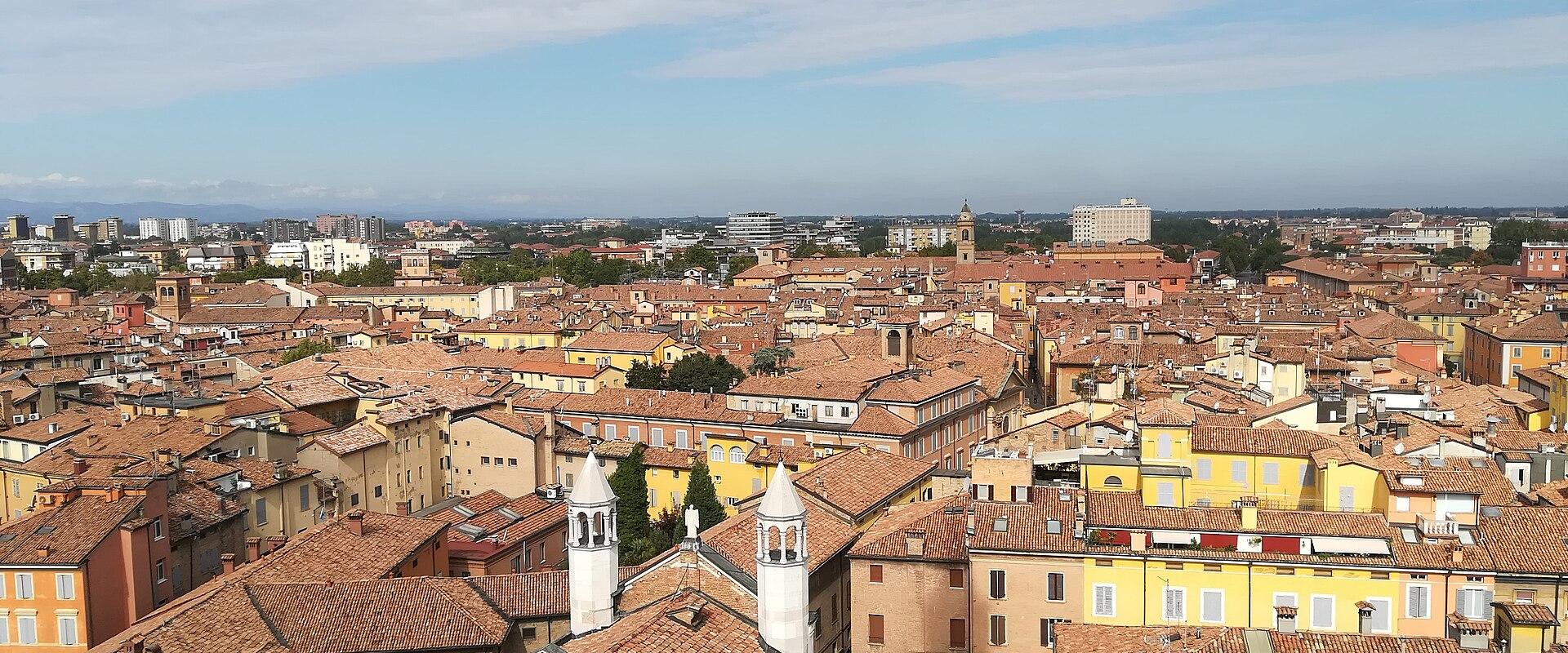
Modena
UNESCO-listed city in Emilia-Romagna known for balsamic vinegar and supercars
Modena’s history dates back to the Etruscans, who founded the city as Mutina. It later became a Roman colony and a significant military outpost. During the Middle Ages, Modena developed into a powerful commune, often in conflict with neighboring Bologna. In 1288, the city came under the rule of the House of Este, which transformed it into a major cultural and political center in Northern Italy. The Este family ruled Modena for over four centuries, fostering an environment of artistic and intellectual flourishing. They established the University of Modena in 1175, one of the oldest in the world, and commissioned the construction of the Cathedral and the Ghirlandina bell tower. The city’s architecture reflects this era, with the Cathedral and Ghirlandina standing as prime examples of Romanesque design. After the fall of the Este dynasty, Modena passed through various hands, including French and Austrian control, before joining the Kingdom of Italy in 1859. The 20th century saw Modena emerge as a global hub for high-performance automobiles, cementing its reputation as the 'Motor Valley' of Italy.
The main attractions in Modena are centered around its historic center and automotive heritage. The Modena Cathedral, a UNESCO World Heritage site, is a masterpiece of Romanesque architecture, featuring intricate sculptures and a harmonious facade. Adjacent to the cathedral is the Ghirlandina, a 132-meter-high bell tower that offers panoramic views of the city and the surrounding plains. The Palazzo dei Musei houses several museums, including the Museum of Modern Art and the Museum of the Car and Motorcycle, showcasing the city’s automotive legacy. The historic center is characterized by elegant arcades, such as the Porticoes of Modena, and charming piazzas like Piazza Grande. The city is also famous for its traditional balsamic vinegar, produced in the nearby towns of Reggio Emilia and Modena. Visitors can tour traditional vinegar cellars (acetaie) to learn about the aging process and taste authentic Aceto Balsamico Tradizionale. The Ferrari Museum in Maranello, a short drive from Modena, is a must-visit for car enthusiasts, displaying iconic Ferrari models and the history of the brand.
Activities in Modena include exploring the historic sites, visiting automotive museums, and enjoying the local cuisine. The city is renowned for its culinary traditions, particularly dishes like tagliatelle al ragù, tortellini in brodo, and mortadella. Visitors can take food tours to sample local products, including balsamic vinegar, Parmigiano Reggiano, and Lambrusco wine. The surrounding countryside offers opportunities for cycling and hiking, with access to the Appennino Modenese parks. Modena also hosts various festivals and events throughout the year, celebrating its artistic and culinary heritage. Shopping includes local ceramics, textiles, and food products. For those interested in history, guided tours are available to explore the Este family’s legacy and the city’s medieval past.
Getting to Modena is convenient via rail and road. The city is well-connected by the A1 motorway, linking it to Milan, Bologna, and Florence. Modena has a railway station with high-speed connections to major Italian cities. For those traveling by air, the nearest airports are in Bologna and Milan. The best time to visit Modena is from April to June or September to October, when the weather is mild and pleasant, ideal for exploring the outdoor attractions and historic sites. July and August can be hot and humid, while winter is cold and foggy. Despite the seasonal variations, Modena’s rich history and cultural offerings make it a rewarding destination year-round.
Best time to visit
Visit between April and June or September and October for mild temperatures and fewer crowds.
What to see in Modena
Our picks first.
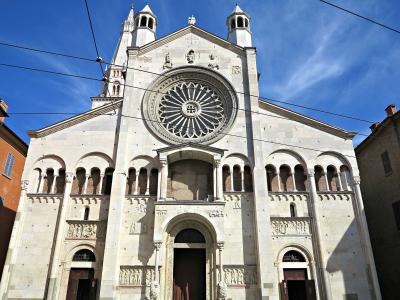
Basilica di San Geminiano
UNESCO Romanesque cathedral in Modena
Free Architectural Monuments · Historic Churches
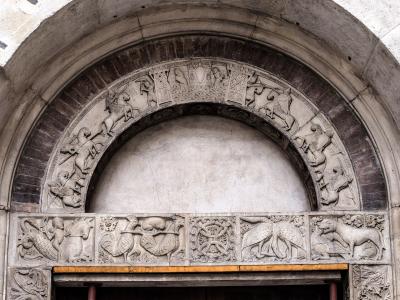
Duomo di Modena (Modena Cathedral)
UNESCO Romanesque cathedral with Ghirlandina tower
Architectural Monuments · Historic Churches
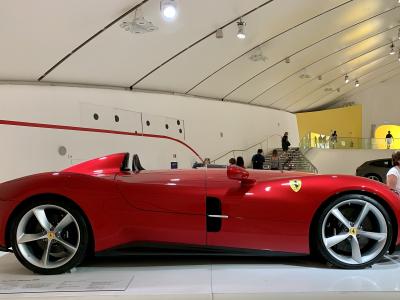
Museo Ferrari
Ferrari museum in Modena showcasing Enzo Ferrari's legacy...
History & Heritage · Museums & Culture
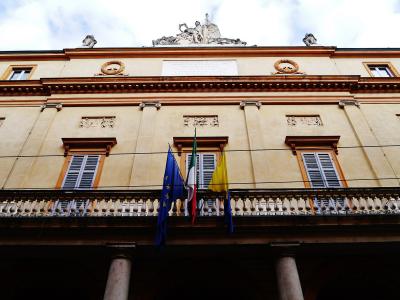
Teatro Comunale di Modena
1841 opera house in Modena
Museums & Culture
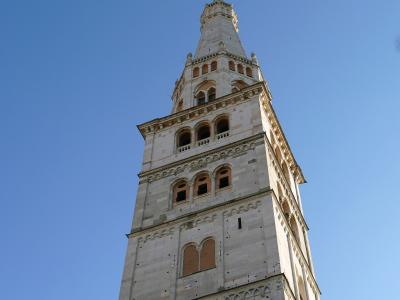
Torre Ghirlandina
UNESCO World Heritage bell tower in Modena
Architectural Monuments · Historic Churches
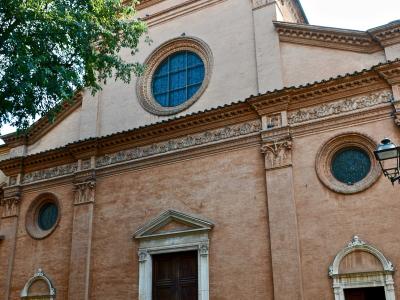
Strada San Pietro
16th-century Renaissance church with Begarelli terracottas
Architectural Monuments · Historic Churches
Modena by interest
The same sights, grouped by what you came for.
Did you know?
Checked facts about Modena, each with its source.
-
Record
Modena's Cathedral, Tower and Piazza Are UNESCO-Listed
Modena's Romanesque Cathedral, its Ghirlandina bell tower and Piazza Grande, with the surrounding Town Hall and Archbishop's Palace, were added to the UNESCO World Heritage List together in 1997.
Source: Musei Civici di Modena
Planning a visit to Modena
Good to know
- Currency
- EUR
- Language
- Italian
Quick Facts
Book your stay
Questions people ask
More places in Emilia-Romagna
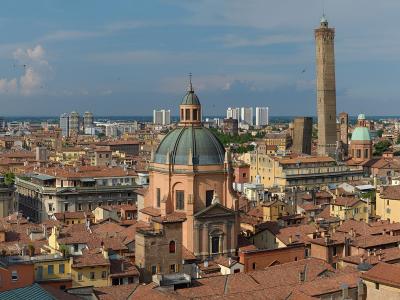
Emilia-Romagna
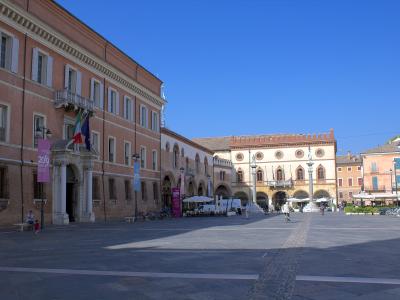
Bologna
Italy's culinary capital with medieval towers and the oldest university
Emilia-Romagna
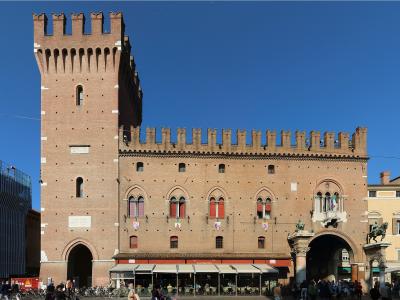
Ravenna
UNESCO city in Emilia-Romagna famous for Byzantine mosaics and Dante
Emilia-Romagna
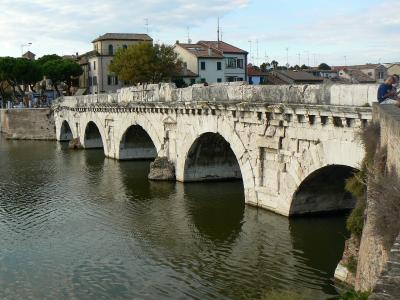
Ferrara
UNESCO Renaissance city with intact medieval walls and canals
Emilia-Romagna
Rimini
Adriatic beach resort in Emilia-Romagna with Roman ruins and nightlife