
Duomo di Modena (Modena Cathedral)
UNESCO Romanesque cathedral with Ghirlandina tower
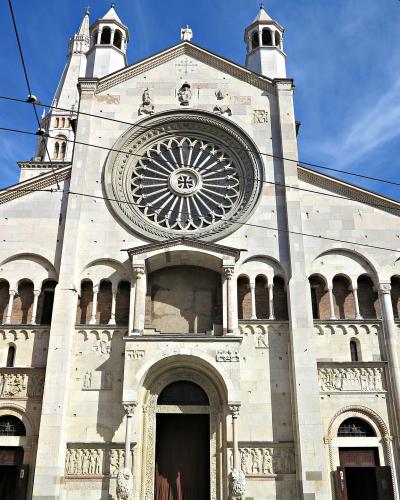
Modena Cathedral (Duomo di Modena), officially the Metropolitan Cathedral of Saint Mary of the Assumption and Saint Geminianus, is a significant Romanesque religious site located in Modena, Italy. Consecrated in 1184 and completed in 1319, it serves as the archiepiscopal seat of the Archdiocese of Modena-Nonantola. The cathedral is renowned for its architectural importance and is jointly designated as a UNESCO World Heritage Site (since 1997) along with the Ghirlandina bell tower and Piazza Grande.
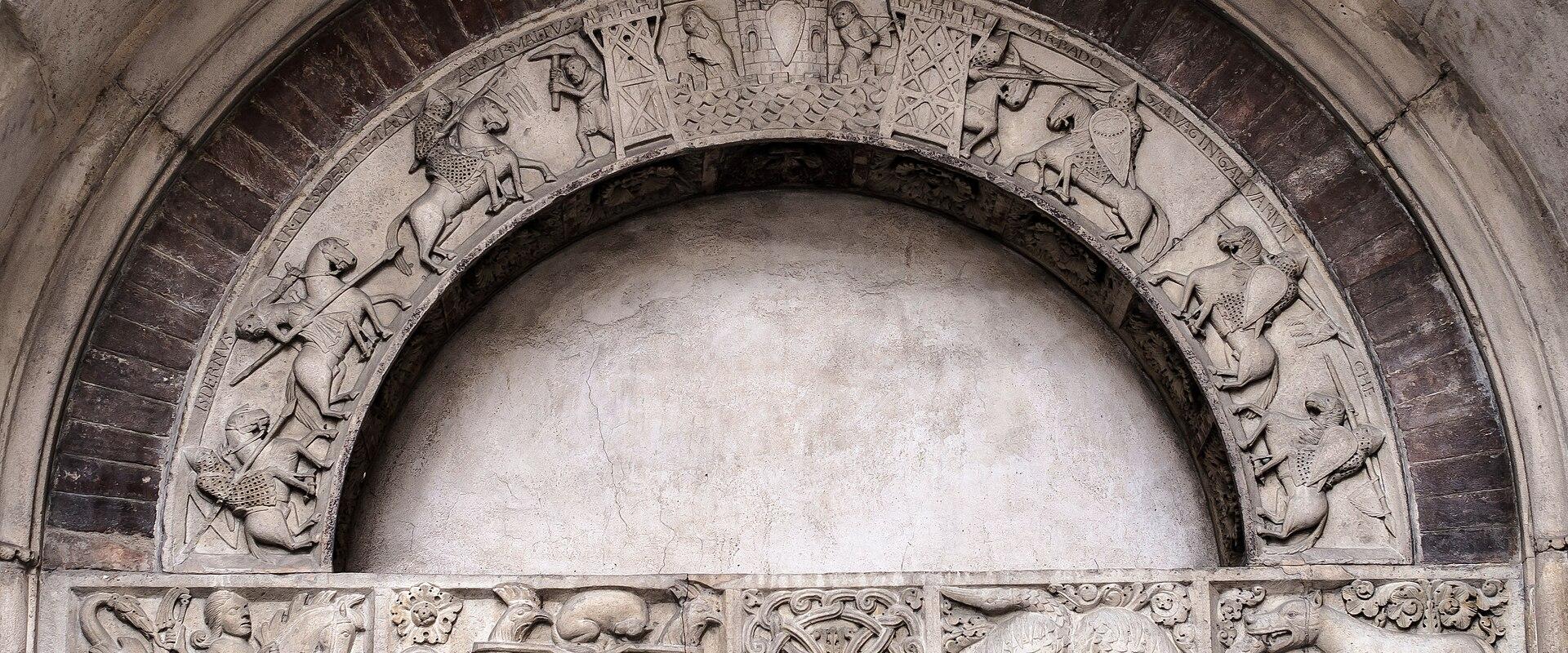
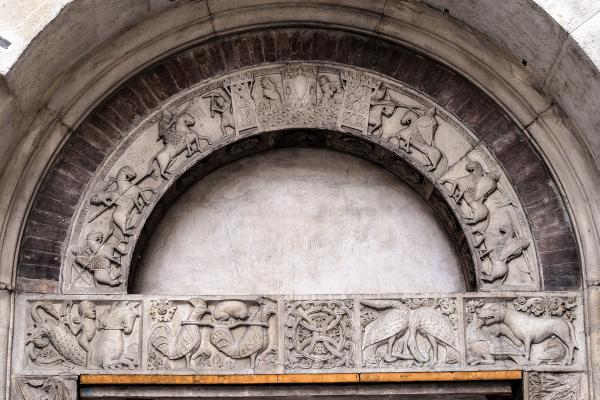
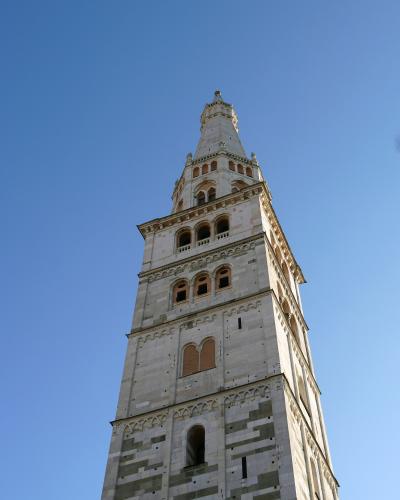
Designed by architects Lanfranco and Anselmo da Campione, the cathedral is a masterpiece of Romanesque art. Visitors can admire the intricate sculptures on the facade, including the famous portal by Wiligelmo, which depicts scenes from Genesis. The interior features a nave and two aisles, with a crypt housing the relics of Saint Geminianus. The Ghirlandina, a tall, slender bell tower adjacent to the cathedral, offers panoramic views of the city and is an iconic symbol of Modena.
It is advisable to check local tourism resources for current schedules and any potential entry fees for the tower or guided tours. Exploring Modena Cathedral offers a profound insight into the region’s medieval heritage and artistic legacy. For travelers, it serves as an essential stop to appreciate the city’s cultural identity. The combination of historical depth and architectural beauty makes it a memorable destination. It complements visits to other landmarks in Modena, such as the Palazzo dei Musei and the historic center, providing a comprehensive view of the town’s identity.
Categories
More photos coming soon
Hours & Fees
Hours
Not found
Admission
Not found
Nearby Attractions
Other places to visit in Modena

Frequently Asked Questions
Quick Facts
Best Time to Visit
Visit between April and June or September and October for mild temperatures and fewer crowds.