







- Where
- Modena, Emilia-Romagna
- Directions
- Directions
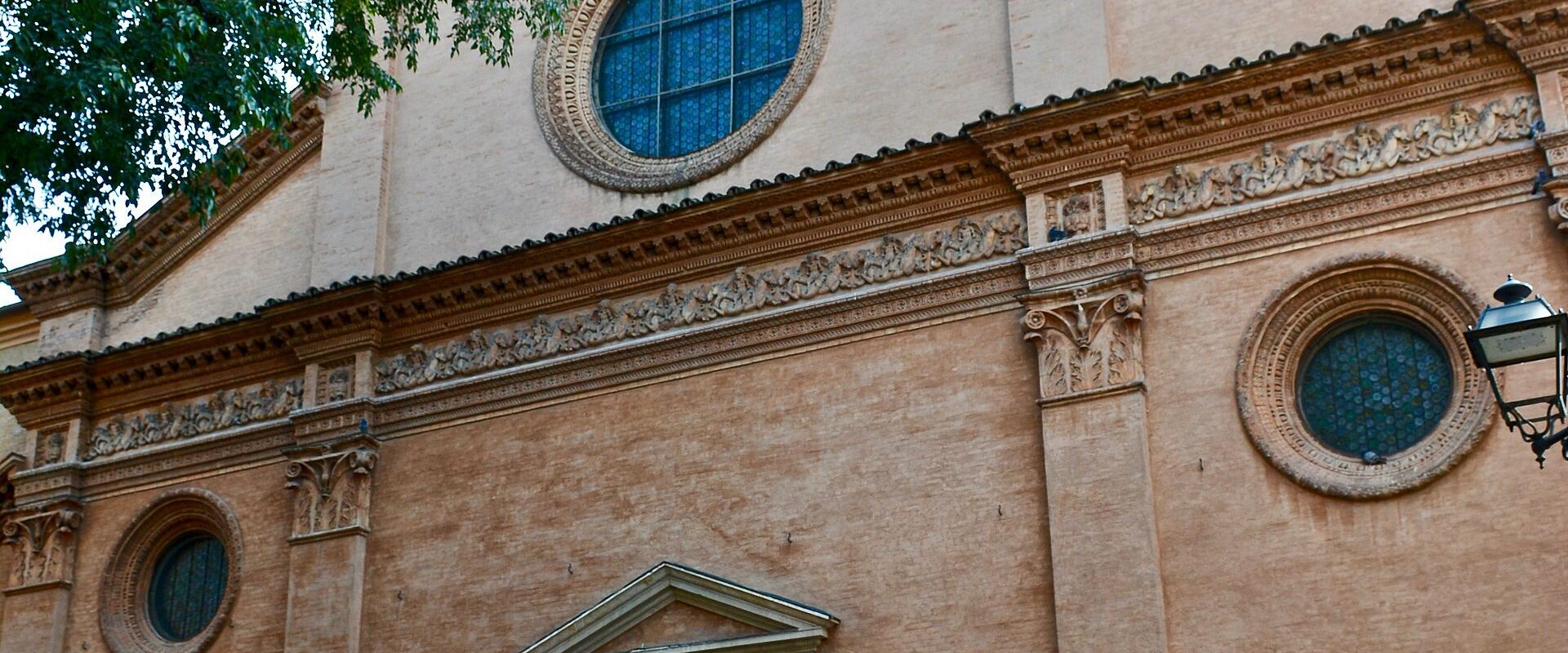
The Church of San Pietro in Modena is a significant religious and architectural landmark located on Via San Pietro in the city center, a short walk from the cathedral and the Piazza Grande. It remains an active Benedictine monastery and parish church, and the complex is one of the most important places for Renaissance art in the city, though it is much less famous than the cathedral. Its quiet street, lined with old houses and shaded by tall walls, gives it an almost private feeling, and a visit is a calm contrast to the busy squares nearby.
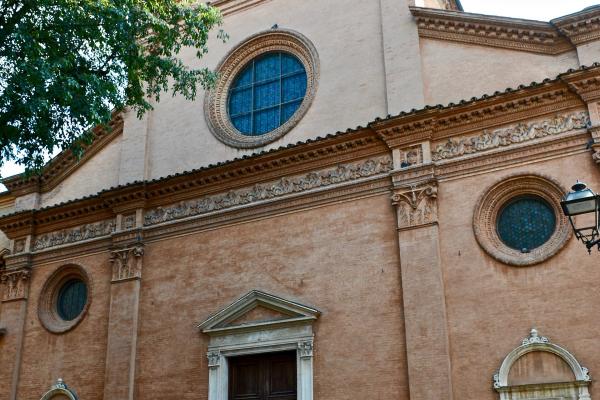
The history of the complex goes back to the 10th century. It was founded in 983 by Bishop Hildebrandus, and in 1434 it was aggregated to the Congregation of Santa Giustina, the reformed Benedictine order centered in Padua, which led to the renewal of the monastery. The church was rebuilt between 1476 and 1518, attributed to Pietro Barabani, and consecrated in 1518. The bell tower dates from 1629. The facade, in the Renaissance style, is simple, and the interior has a nave and aisles, with side chapels, in a plan inspired by the early Renaissance churches of Tuscany.
Visitors can appreciate the unique exterior features, including a column known as Saint Peter’s Cross, which predates the 11th century, and a distinctive frieze depicting secular images of hippocamps and winged satyrs by the Bisogni brothers, unusual in the facade of a church, which shows the playful classical taste of the Renaissance. The interior is decorated in the early Renaissance style and houses six terracotta sculptures by Antonio Begarelli, the great sculptor of Modena, who worked in clay and was admired by Michelangelo. His figures, in painted terracotta, have the dignity and the movement of marble, and the sculptural groups of the Virgin and saints show his skill.
The church also contains altarpieces by notable artists such as Francesco Bianchi Ferrari, Ercole dell'Abate and Girolamo Romanino. Other features include a wooden choir carved by Gian Francesco Testi, a 16th-century organ by Giovanni Battista Facchetti, and frescoes in the sacristy attributed to Girolamo da Vignola. The monastery next door was long a center of learning and music, and the monks maintain the tradition of liturgy. The quiet atmosphere and the soft light in the nave make the church a place for slow looking.
It is advisable to check local information for mass times, since the church is in active use and may be closed for services. Modest dress is expected, and a visit takes about half an hour. Exploring the Church of San Pietro offers insight into Modena’s artistic and religious heritage. It is an essential stop to appreciate the region’s Renaissance legacy. The combination of historical depth and artistic mastery makes it a meaningful destination. It complements visits to other landmarks in Modena, such as the Piazza Grande and the Ghirlandina, which is a short walk away, providing a view of the city’s cultural identity. The Ferrari museum and the markets of the old town lie nearby.
Categories
More photos coming soon
Nearby Attractions
Other places to visit in Modena
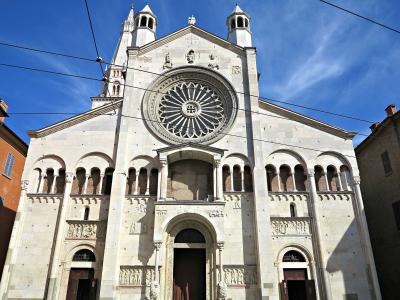
Basilica di San Geminiano
UNESCO Romanesque cathedral in Modena
Free Architectural Monuments · Historic Churches
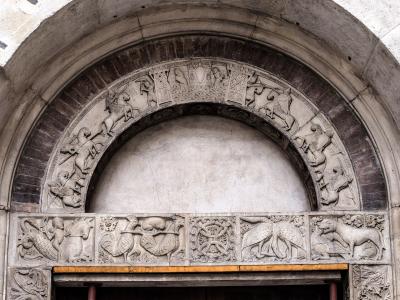
Duomo di Modena (Modena Cathedral)
UNESCO Romanesque cathedral with Ghirlandina tower
Architectural Monuments · Historic Churches

Museo Ferrari
Ferrari museum in Modena showcasing Enzo Ferrari's legacy...
History & Heritage · Museums & Culture
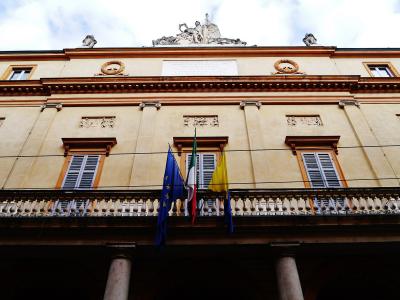
Teatro Comunale di Modena
1841 opera house in Modena
Museums & Culture
Questions people ask
Quick Facts
Best Time to Visit
Visit between April and June or September and October for mild temperatures and fewer crowds.