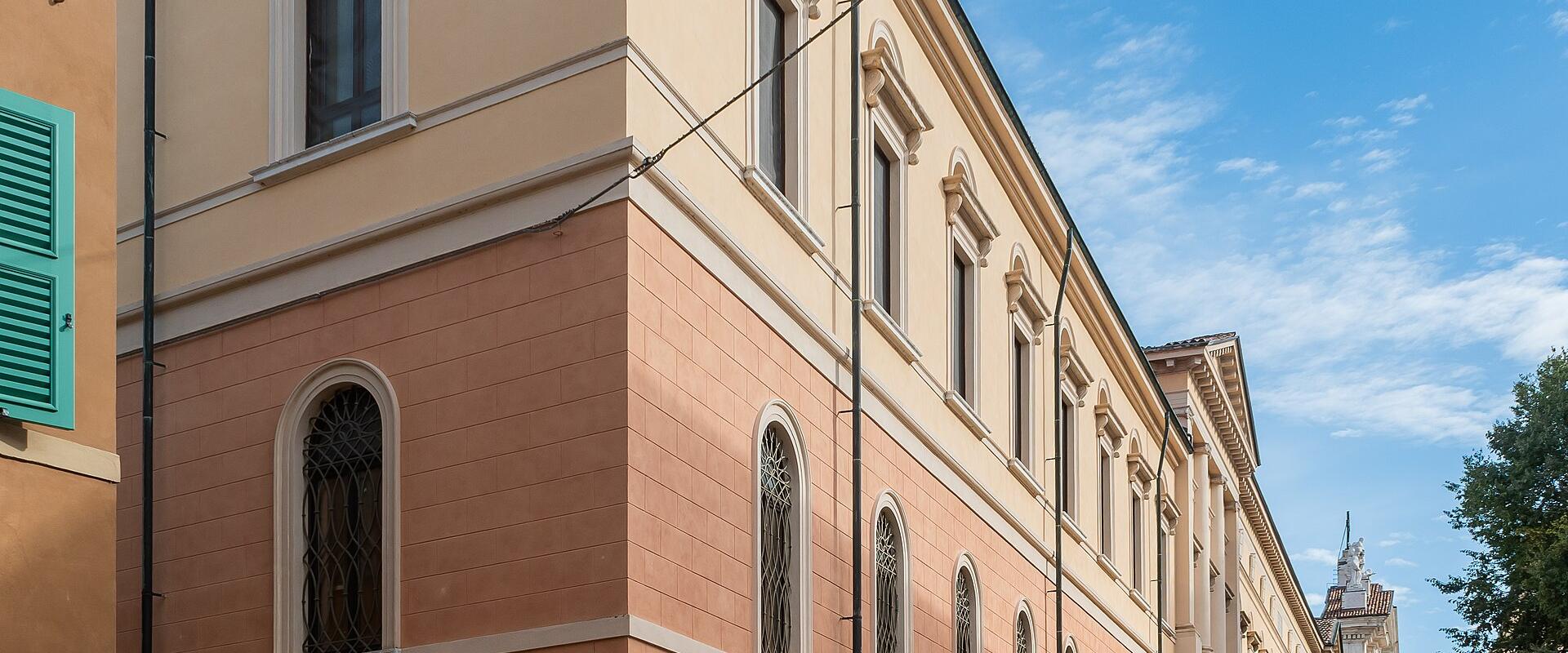
Mantua
UNESCO-listed Renaissance city surrounded by three artificial lakes
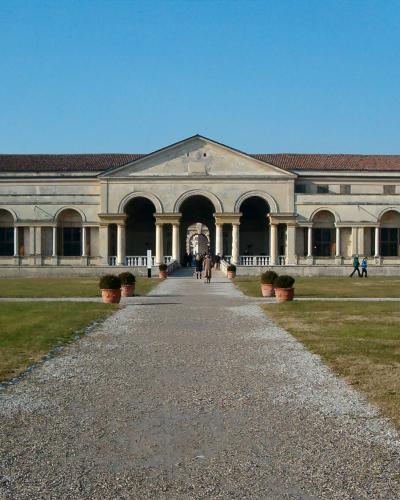
Mantua’s history is deeply intertwined with the Gonzaga family, who ruled the city from 1328 to 1708. Originally a Roman settlement, Mantua grew in importance during the Middle Ages as a commune. The Gonzagas elevated it to a duchy, fostering an environment where art and culture flourished. They commissioned works from some of the greatest artists of the Renaissance, including Andrea Mantegna, whose frescoes in the Palazzo Te remain a masterpiece. The city’s architecture reflects this era, with a blend of Gothic, Renaissance, and Baroque styles. After the Gonzaga line ended, Mantua passed through various hands, including Spanish and Austrian control, before joining the Kingdom of Italy in 1866. The city’s fortifications, designed by military engineers, were among the most advanced of their time, contributing to its preservation during conflicts.
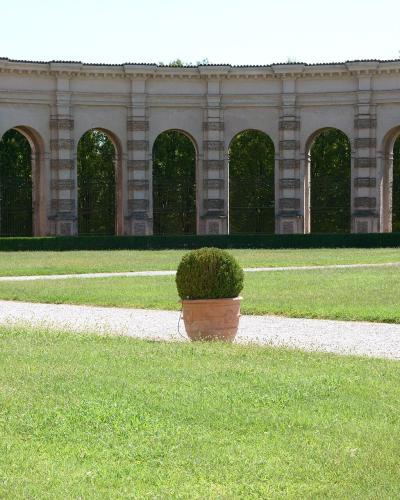
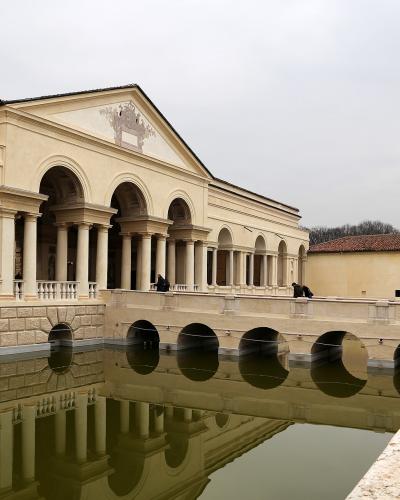
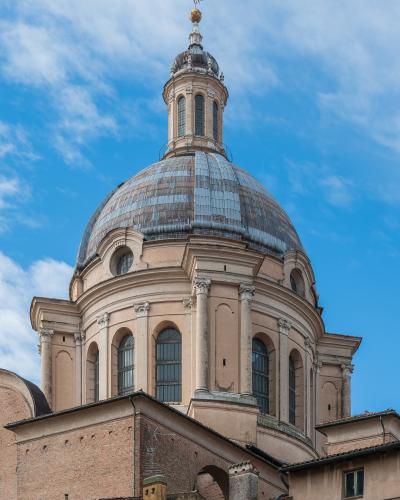
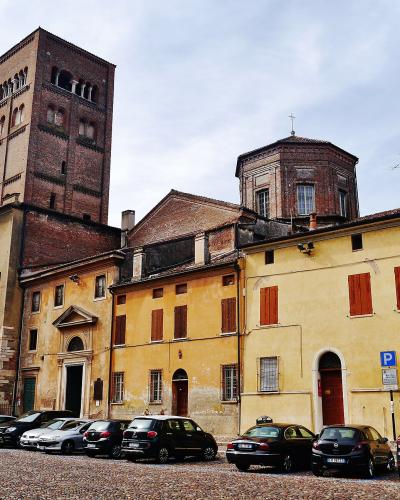
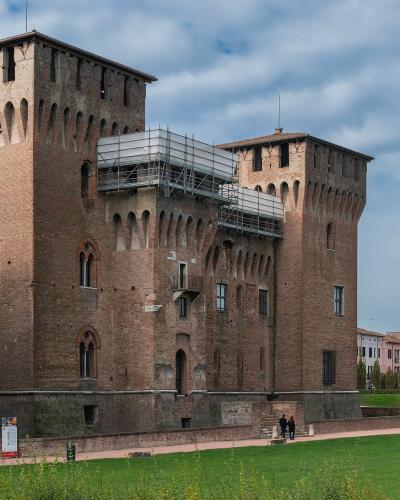
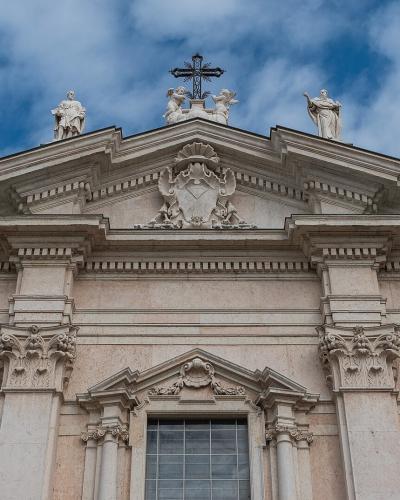
The main attractions in Mantua are centered around its historic center and the Gonzaga legacy. The Palazzo Ducale, a vast complex of interconnected palaces, is the largest private residence in Europe and houses an impressive collection of art, including works by Rubens and Mantegna. The Basilica of Sant’Andrea, designed by Leon Battista Alberti, is a seminal example of Renaissance architecture, featuring a grand facade and a celebrated chapel. Palazzo Te, a summer residence built by Giulio Romano, is renowned for its Mannerist style and frescoes. The Piazza Sordello, the main square, is surrounded by historic buildings and leads to the Cathedral of Mantua. The city’s lakes offer scenic walks and boat rides, providing a peaceful contrast to the urban center. The Castello di San Giorgio, part of the Ducal Palace complex, offers panoramic views of the lakes and the city.
Activities in Mantua include exploring the historic sites, visiting museums, and enjoying the local cuisine. The city is famous for its culinary traditions, particularly risotto alla mantovana, made with butter and cheese, and tortelli di zucca (pumpkin-filled pasta). Visitors can take guided tours to learn about the Gonzaga family and the city’s artistic heritage. The surrounding countryside offers cycling and hiking trails, with access to the Po Delta Regional Park. Mantua also hosts various festivals and events throughout the year, including the Mantova Teatro Festival, which showcases theater performances. Shopping includes local ceramics, textiles, and food products such as balsamic vinegar and wine.
Getting to Mantua is convenient via road and rail. The city is well-connected by the A22 motorway, linking it to Verona and the Brenner Pass. Mantua has a railway station with connections to Milan, Venice, and Bologna. For those traveling by air, the nearest airports are in Milan and Verona. The best time to visit Mantua is from April to June or September to October, when the weather is mild and pleasant, ideal for exploring the outdoor attractions and historic sites. July and August can be hot and humid, while winter is cold and foggy. Despite the seasonal variations, Mantua’s rich history and cultural offerings make it a rewarding destination year-round.
Best Time to Visit
Visit between April and June or September and October for mild temperatures and fewer crowds.
Did you know?
Interesting, verified facts about Mantua
Mantua Has a Distinct Local Story
HistoryMantua, known as Mantova in Italian, is a historic city in the Lombardy region of northern Italy, situated in the fertile Po Valley.
Source: LOMBARDY - Visit Mantua and its Province. 1Plan Your Visit to Mantua
Essential travel tips and information for your trip to Mantua.
Suggested Itineraries
One Day in Mantua
1 dayUNESCO Renaissance city with lakeside walks and historic palaces
View ItineraryTravel Tips
Currency
EUR • Cards widely accepted
Language
Italian • English in tourist areas
WiFi
Free WiFi in cafes and hotels
Explore Mantua by Interest
Discover attractions and experiences in Mantua organized by your interests and travel preferences.
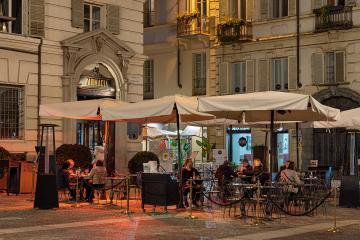
All attractions in Mantua
Sorted by our recommendation score
Quick Facts
Book your stay
Frequently Asked Questions
More destinations in Lombardy
Explore other amazing places in the Lombardy region