







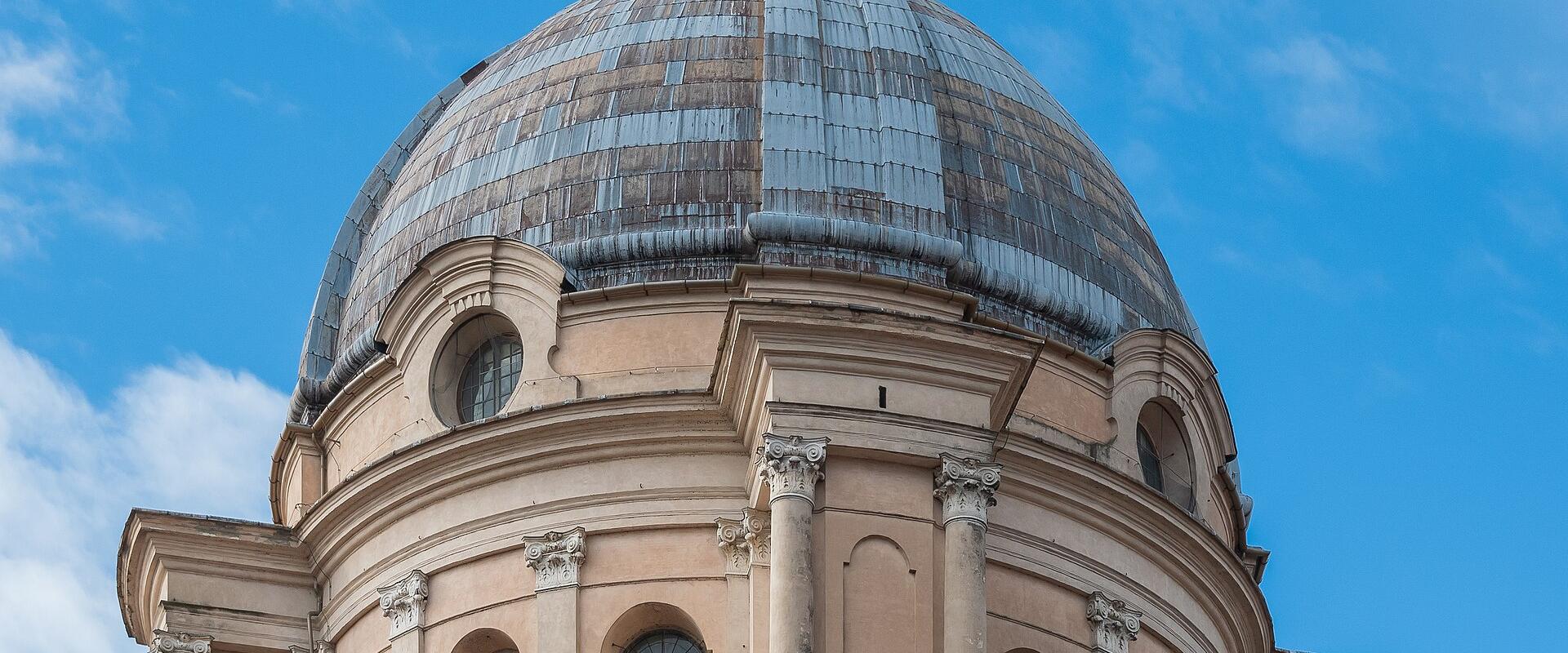
- Where
- Mantua, Lombardy
- Directions
- Directions
The Basilica di Sant’Andrea in Mantua (Sant’Andrea, as locals call it) is one of the major monuments of the Italian Renaissance, designed by Leon Battista Alberti, the humanist architect who also built the Palazzo Rucellai and the facade of Santa Maria Novella in Florence. It was commissioned by Marquis Ludovico III Gonzaga, who wanted a grand church to house a precious relic, the soil said to be soaked with the blood of Christ, and it was begun in 1472 on the site of a Benedictine monastery. Alberti died the same year, and the work was carried out under others over a long period. The great dome that rises above the crossing was added only in the 18th century, to a design by Filippo Juvarra. The church is a Roman Catholic co-cathedral of the diocese, sharing that title with the Duomo di Mantova.
The facade is the most celebrated feature. Alberti gave it the form of a Roman triumphal arch, with a tall central arch, flanked by Corinthian pilasters of giant size, and a deep porch, joining the ancient motif of the arch with the front of a temple. It was a bold new idea in church design, bringing ancient Roman architecture into a Christian building, and the ideas he worked out here influenced later church architects, including those who built the Gesu in Rome. The building is of brick, covered with stucco and painted, and the porch is worth entering for its coffered vault and paintings.
Inside, Alberti’s plan again looks to ancient Rome. Instead of a nave with side aisles, he created one enormous barrel-vaulted nave, with a series of deep chapels opening off each side, an arrangement inspired by Roman halls and baths. It makes a powerful, unified space, and the walls and vault are covered in painted decoration added over the centuries. In the first chapel on the left is the tomb of Andrea Mantegna, the court painter of the Gonzagas, who died in 1506. His bronze bust looks out over the chapel, known as the Mantegna Chapel, which his own workshop decorated, and for many visitors this is the highlight. In the crypt are the vessels of the Holy Blood, which are still carried in a famous Good Friday procession.
The basilica stands on a quiet square close to Piazza delle Erbe, and it is an easy walk from Piazza Sordello and the Castello di San Giorgio. The Palazzo Ducale and the Palazzo Te lie elsewhere in the city. Visitors should dress modestly and respect services. It suits those interested in Renaissance architecture, art history and the Gonzaga court. A visit takes about 30 to 45 minutes, and time spent in front of the facade is rewarded in morning light.
Categories
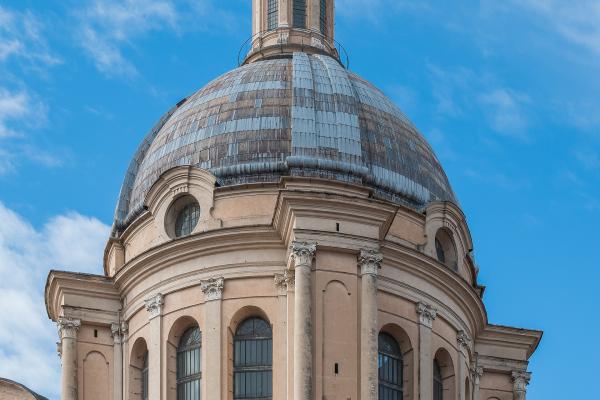
More photos coming soon
Nearby Attractions
Other places to visit in Mantua
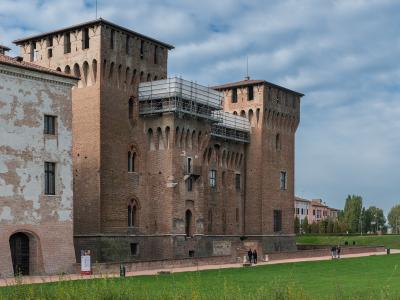
Castello di San Giorgio
15th-century Gonzaga palace with Camera degli Sposi frescoes
Castles & Fortresses · Historic Palaces
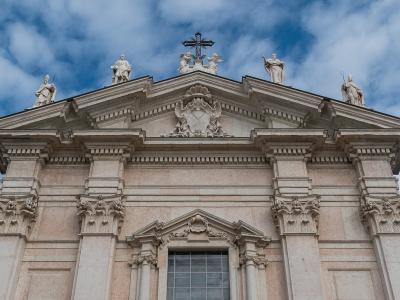
Duomo di Mantova
Gothic cathedral of St. Peter the Apostle
Architectural Monuments · Historic Churches
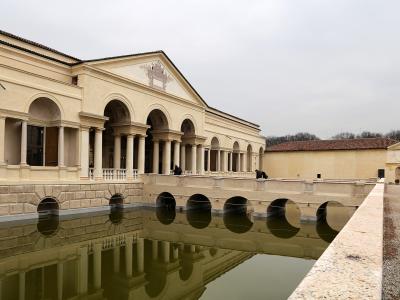
Isola del Te
Renaissance palace with frescoes by Giulio Romano
Art Museums · Cultural Tours
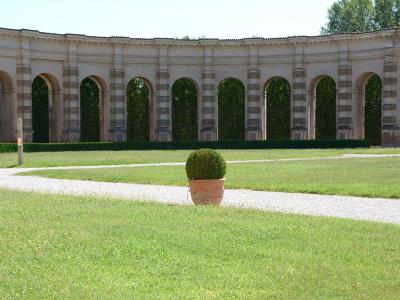
Museo Civico di Palazzo Te
Giulio Romano's 16th-century masterpiece housing diverse ...
Art Museums · Cultural Centers
Questions people ask
Quick Facts
Best Time to Visit
Visit between April and June or September and October for mild temperatures and fewer crowds.