







Museo Civico di Palazzo Te
Giulio Romano's 16th-century masterpiece housing diverse ...
- Where
- Mantua, Lombardy
- Directions
- Directions
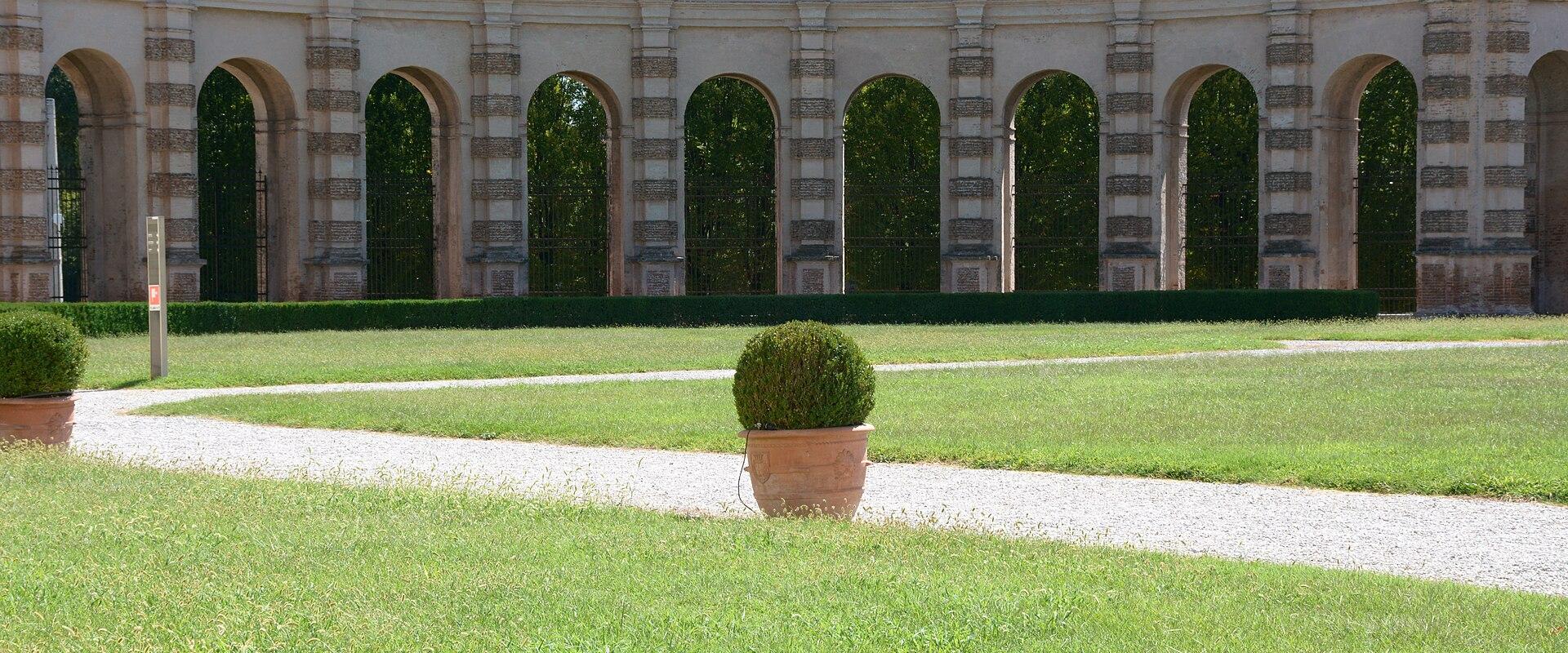
Museo Civico di Palazzo Te in Mantua is a Civic Museum housed in one of the great buildings of the Italian Renaissance, designed by the artist and architect Giulio Romano between 1525 and 1535. Giulio, a pupil of Raphael who came to Mantua from Rome, built the palace outside the city walls on a marshy island, once used as a stud farm, as a leisure residence for Federico II Gonzaga, the ruler of Mantua, who used it for horses, banquets, entertainment and trysts. The palace, a single-storey square block around a courtyard, was influenced by ancient Roman villas, Raphael and Michelangelo, and it retains its original form despite past restorations. The name Te is thought to derive from the old name of the island.
The interiors are the main reason to come. The courtyard of honour is an architectural puzzle in the Mannerist style, with rusticated stone and columns, and with triglyphs that appear to slip from the frieze, a joke at the expense of classical order. The Sala dei Cavalli, the Hall of the Horses, shows life-size portraits of the Gonzaga’s prized horses against painted landscapes. The Camera di Psiche, the Room of Psyche, carries a banquet scene from the myth of Cupid and Psyche, with feasting gods and sensuous detail. The tumultuous Camera dei Giganti, the Room of the Giants, is the most famous: frescoes cover the walls, floor-to-ceiling, showing the giants crushed beneath collapsing buildings as Jupiter hurls thunderbolts from above, so that standing in the room produces a feeling of being inside the catastrophe.
Today, the building functions as a civic museum and international center for art and culture, regularly hosting major temporary exhibitions, conferences and events. The upper floor houses diverse collections, including the Arnoldo Mondadori collection of 19th and 20th century painters, donated by the publisher, the rare Ugo Sissa Mesopotamian collection of ancient objects, the Gonzaga section featuring medals and coins of the Mantua Duchy, and the Giuseppe Acerbi Egyptian collection, named for the Mantuan explorer and consul who gathered the items. The mix of ancient and modern gives a different dimension to the historical experience, and the palace’s dynamic nature promotes dialogue between ancient art and contemporary creativity.
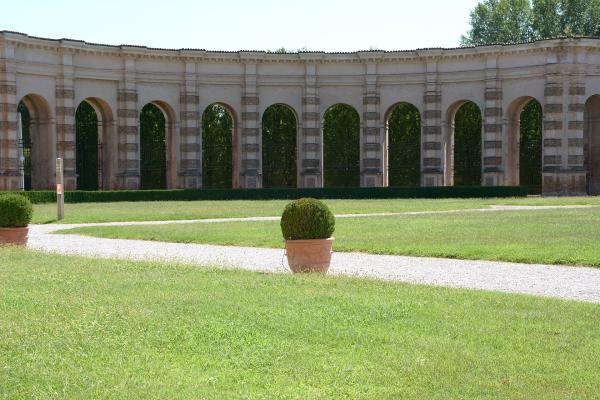
The palace is a short distance south of the center, a walk of about fifteen minutes from the Ducal Palace and Piazza Sordello, passing through quiet streets. The gardens and the surrounding island, the Isola del Te, offer a pleasant place to rest. Allow about two hours to take in the main rooms, longer if there is a temporary exhibition. Check the official website for current opening times and tickets.
Palazzo Te offers insight into Renaissance architecture and art and suits those interested in Mannerism, in the Gonzaga court and in illusionistic painting. It complements visits to other landmarks in Mantua, such as the Ducal Palace and the Basilica di Sant'Andrea, offering a comprehensive view of Mantua’s artistic legacy.
Categories
More photos coming soon
Nearby Attractions
Other places to visit in Mantua
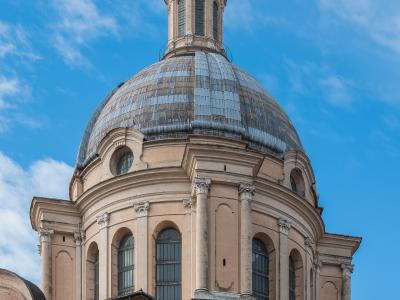
Basilica di Sant'Andrea
15th-century Renaissance co-cathedral by Alberti
Architectural Monuments · Historic Churches
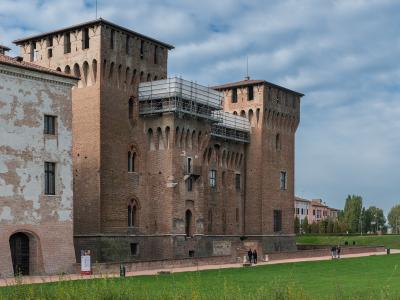
Castello di San Giorgio
15th-century Gonzaga palace with Camera degli Sposi frescoes
Castles & Fortresses · Historic Palaces
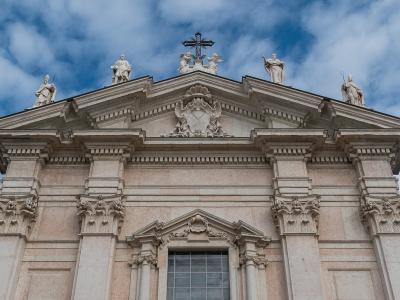
Duomo di Mantova
Gothic cathedral of St. Peter the Apostle
Architectural Monuments · Historic Churches
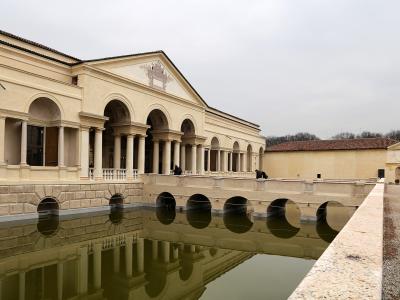
Isola del Te
Renaissance palace with frescoes by Giulio Romano
Art Museums · Cultural Tours
Questions people ask
Quick Facts
Best Time to Visit
Visit between April and June or September and October for mild temperatures and fewer crowds.