







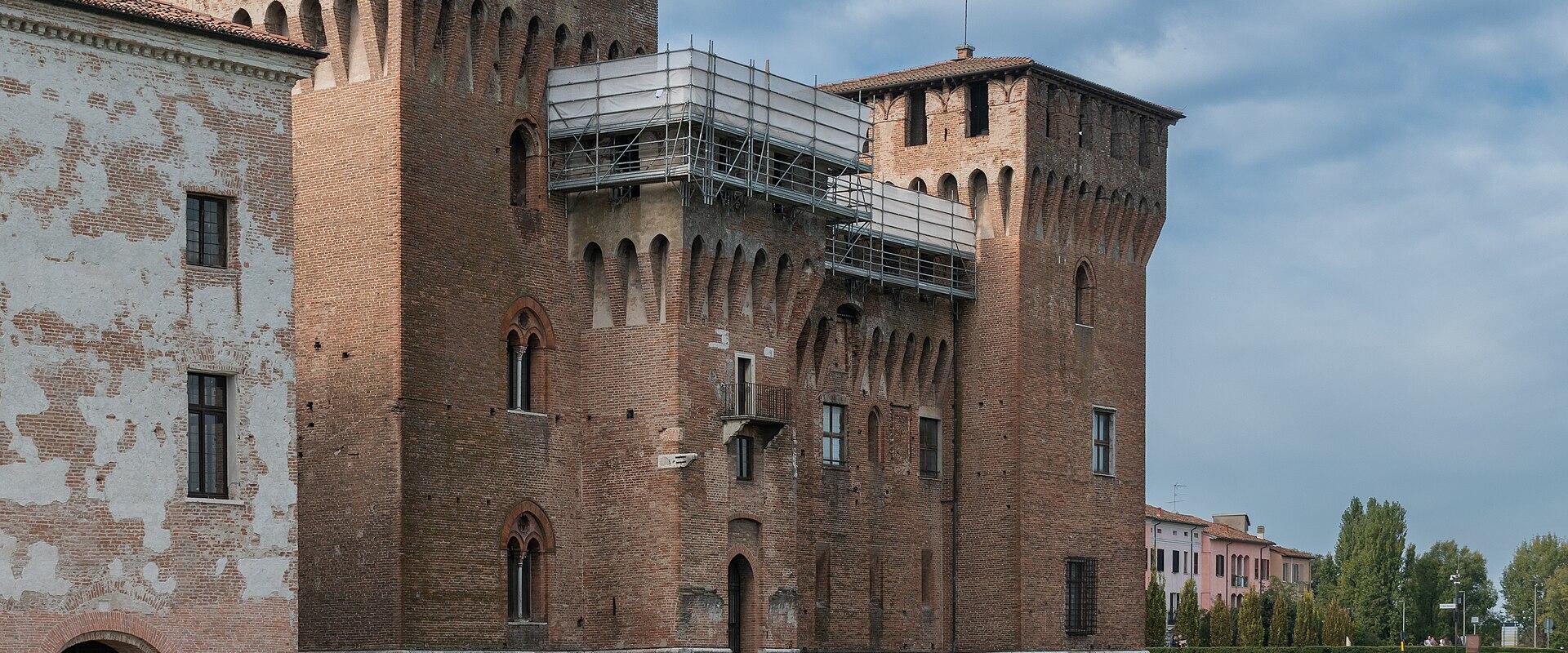
Castello di San Giorgio
15th-century Gonzaga palace with Camera degli Sposi frescoes
- Where
- Mantua, Lombardy
- Directions
- Directions
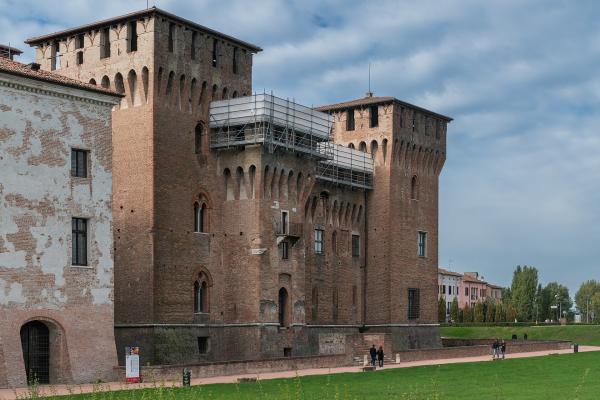
Castello di San Giorgio in Mantua is a moated rectangular structure with four corner towers and three drawbridges, rising above the water of the lake that surrounds the city. It is an integral part of the Ducal Palace of Mantua, the vast complex of buildings that was the residence of the Gonzaga family, and it is the part of the palace that most resembles a fortress, with its brick walls, battlements and wide moat. The castle was built between 1395 and 1406 for Francesco I Gonzaga by the architect Bartolino da Novara on the ruins of the church of Santa Maria di Capo di Bove, to defend the northeast corner of the city, near the bridge, the Ponte di San Giorgio, that crossed the lake, and to protect the family from rebellion as much as from invasion.
In 1459, the castle underwent significant transformation. Ludovico III Gonzaga, the second marquis, commissioned Luca Fancelli to rebuild it as a palazzo rather than a fortress, since the family no longer needed a stronghold so much as a residence worthy of a Renaissance court. It served as the main Gonzaga residence for about a century until Guglielmo Gonzaga moved to the Corte Vecchia, the older part of the palace nearby. In the late 15th century, the castle was the setting of one of the great creations of Italian art: the Camera degli Sposi, the Bridal Chamber, in a tower, was decorated between about 1465 and 1474 by Andrea Mantegna, the court painter, with frescoes of the Gonzaga family and their court, painted in an illusionistic style, with a famous oculus in the ceiling in which figures and cherubs look down from a painted sky. The room is among the masterpieces of the Renaissance. The castle also housed Isabella d’Este’s studiolo from 1490 to 1519, a small private study where she kept her collection of art and antiquities, and where she received poets and artists, before moving it to the Corte Vecchia.
The building contains significant rooms such as the Sala dei Soli, featuring 15th-century frescoes redesigned by Giulio Romano, and the Sala degli Stemmi. Historically, it served as a maximum-security prison under the Austrian Empire, when Mantua was part of the Habsburg Kingdom of Lombardy and Venetia, holding notable prisoners, among them the pro-Risorgimento figures known as the Belfiore martyrs, patriots who were held here before their execution in the early 1850s for conspiring against Austrian rule. The structure was damaged by the 2012 Emilia earthquake, and the Camera degli Sposi was closed for several years for repair, before it reopened.
It is advisable to check local tourism resources for current schedules and ticket information, since the Ducal Palace operates with timed entries and the Camera degli Sposi often requires a reservation and limits the number of visitors at one time. Exploring Castello di San Giorgio offers insight into Mantua’s Renaissance heritage. It is an essential stop to appreciate the region’s artistic legacy. The combination of historical depth and architectural beauty makes it a memorable destination. It complements visits to other landmarks in Mantua, such as Palazzo Te and the Basilica of Sant'Andrea, providing a view of the city’s identity. From the castle’s bridge, the view across the lake to the old town is one of the best in Mantua, especially at sunset.
Categories
More photos coming soon
Nearby Attractions
Other places to visit in Mantua
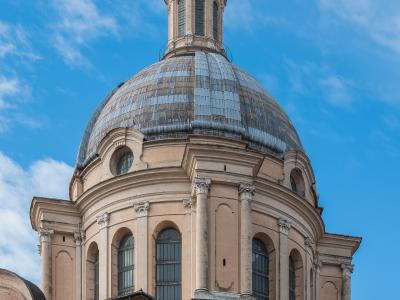
Basilica di Sant'Andrea
15th-century Renaissance co-cathedral by Alberti
Architectural Monuments · Historic Churches
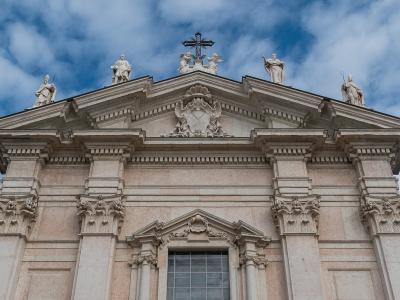
Duomo di Mantova
Gothic cathedral of St. Peter the Apostle
Architectural Monuments · Historic Churches
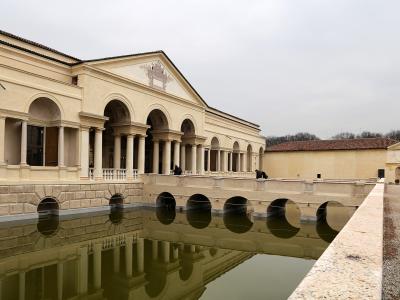
Isola del Te
Renaissance palace with frescoes by Giulio Romano
Art Museums · Cultural Tours
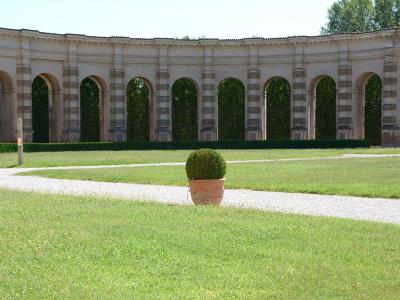
Museo Civico di Palazzo Te
Giulio Romano's 16th-century masterpiece housing diverse ...
Art Museums · Cultural Centers
Questions people ask
Quick Facts
Best Time to Visit
Visit between April and June or September and October for mild temperatures and fewer crowds.