







- Hours
- Mon 9am-7pm, Tue 1pm-7pm, Wed-Sun 9am-7pm. Closed Dec 25. Last entry 1 hour before closing...
- Where
- Mantua, Lombardy
- Directions
- Directions
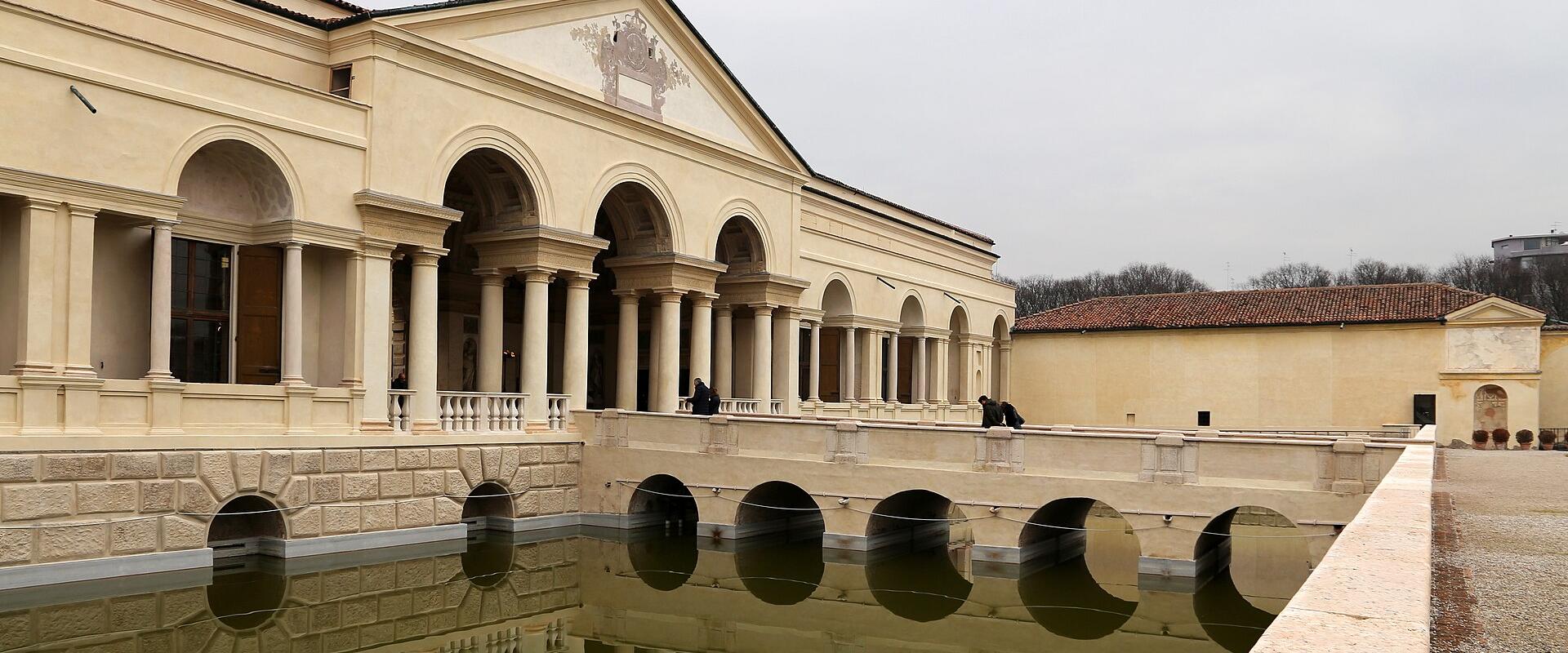
Isola del Te is the area just south of the old center of Mantua where Palazzo Te stands, and the tourist attraction here is officially known as Palazzo Te, located on Isola del Te. In the early 16th century, the Isola del Te, the island of Te, was a marshy patch of land surrounded by water, outside the city walls, where the Gonzaga family kept their stud farm and stables, famous for the quality of its horses. Federico II Gonzaga, the marquis and later first duke of Mantua, decided to build a pleasure villa on the site, for rest, entertainment and meetings with friends, and commissioned the artist and architect Giulio Romano, who had worked for Raphael in Rome and had arrived in Mantua in 1524.
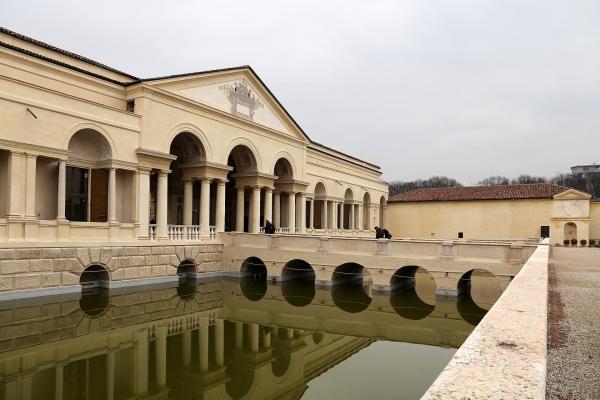
Palazzo Te is a Renaissance palace built in the 16th century for Federico II Gonzaga. It is renowned for its frescoes by Giulio Romano and his workshop, and for its unique architectural style that blends Renaissance harmony with Mannerist innovation. The building is a low, square block around a central courtyard, designed in a classical language of columns, arches and pediments, with deliberate irregularities and surprises that were meant to amuse the cultured visitors of the court. The interior rooms are decorated with painted stories from classical mythology, scenes of banquets, portraits of horses and a famous room in which giants are crushed beneath a collapsing temple. The site includes the palace interior and extensive gardens.
The gardens are a pleasant space for a walk, with trees, lawns and a large formal garden at the rear that ends in a curved colonnade, the Esedra, and a long, low building, the Fruttiere, the former fruit store, once used for growing citrus fruits. They are quieter than the palace itself and give a sense of the villa’s original setting at the edge of the city. Ponds and canals once linked the palace to the wider network of waterways around Mantua, and the ground slopes slightly toward the old shoreline.
The Palazzo Te ticket gives access to the palace and to other Mantuan sites that are part of the same system of museums, including the MACA Museum and the Tempio Leon Battista Alberti, that is, the church of San Sebastiano, a small centrally planned church begun in the 1460s to a design by the Renaissance architect Leon Battista Alberti, which stands in the center of the city. Opening hours differ by day, with a later start on Tuesdays, and the site is closed on December 25, and the last entry is one hour before closing, so check the official site. Concessions and free admission exist for some categories, such as children, residents and people with disabilities and their caregivers. No food, drink or smoking is allowed inside the palace or gardens, and leashed animals are not permitted, except for guide dogs. For further information, the ticket office can be contacted directly.
Palazzo Te is a short walk south from Piazza Sordello and the center, taking about fifteen minutes, and it combines well with the Ducal Palace and the Basilica di Sant'Andrea. It is a highlight of Mantua’s artistic heritage and suits visitors interested in Renaissance art, in Mannerism and in the history of the Gonzaga court. Plan about two hours for the palace and gardens, and visit in the morning when it is quieter.
Categories
More photos coming soon
Opening Hours
- Open
- Mon 9am-7pm, Tue 1pm-7pm, Wed-Sun 9am-7pm. Closed Dec 25. Last entry 1 hour before closing.
Hours and prices change, especially out of season. Check with the venue before you go.
Nearby Attractions
Other places to visit in Mantua
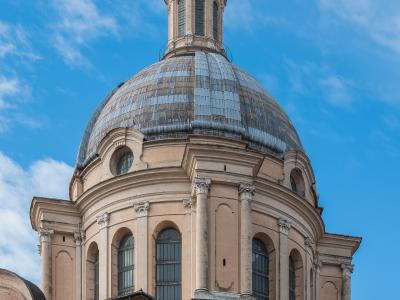
Basilica di Sant'Andrea
15th-century Renaissance co-cathedral by Alberti
Architectural Monuments · Historic Churches
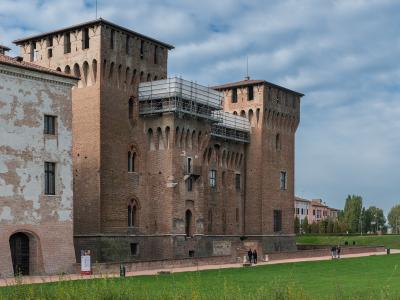
Castello di San Giorgio
15th-century Gonzaga palace with Camera degli Sposi frescoes
Castles & Fortresses · Historic Palaces
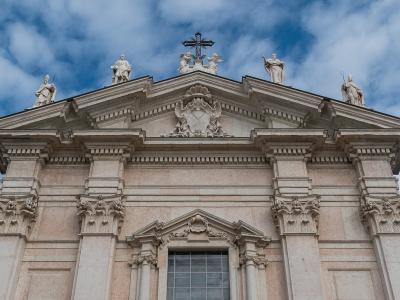
Duomo di Mantova
Gothic cathedral of St. Peter the Apostle
Architectural Monuments · Historic Churches
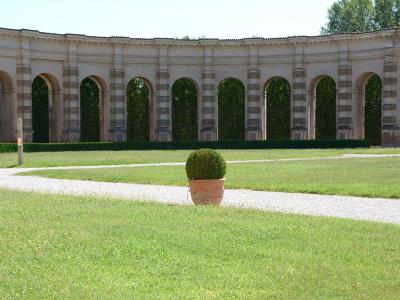
Museo Civico di Palazzo Te
Giulio Romano's 16th-century masterpiece housing diverse ...
Art Museums · Cultural Centers
Questions people ask
Quick Facts
Best Time to Visit
Visit between April and June or September and October for mild temperatures and fewer crowds.