







- Where
- Florence, Tuscany
- Directions
- Directions
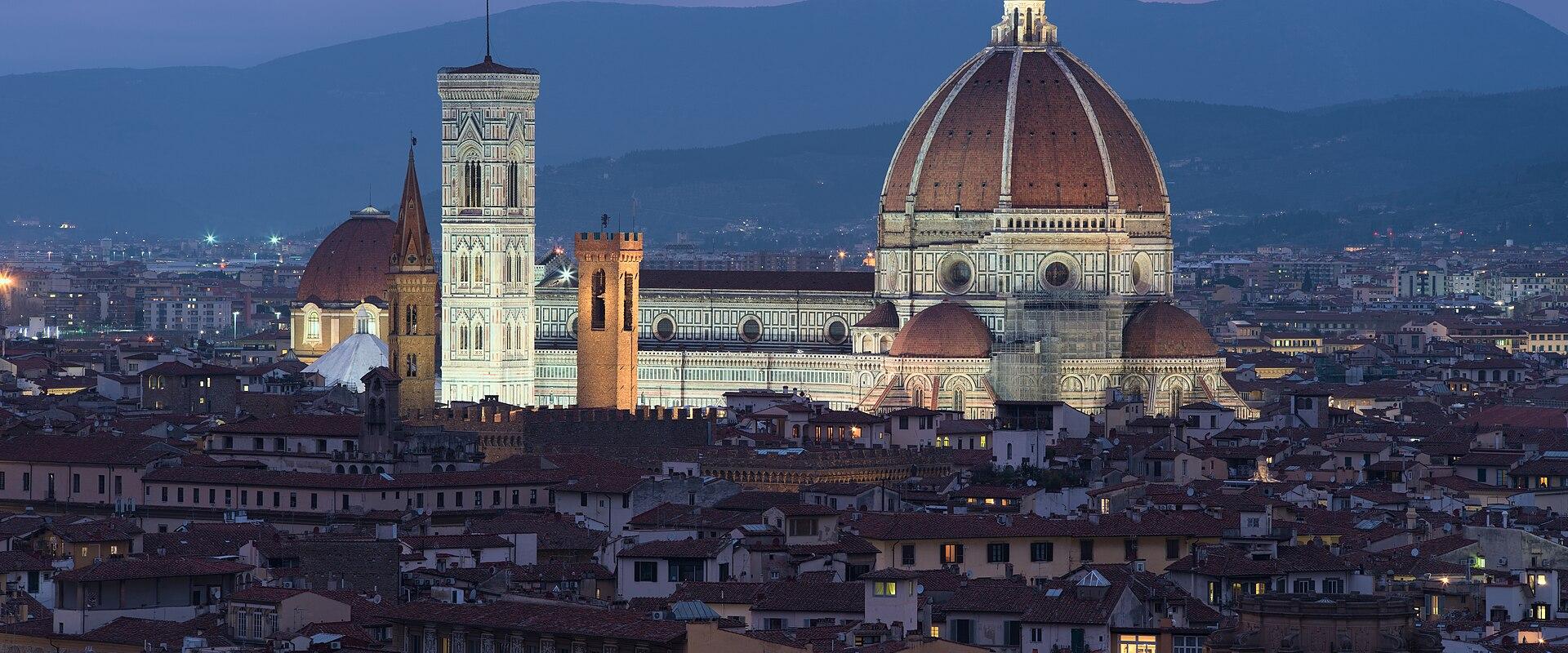
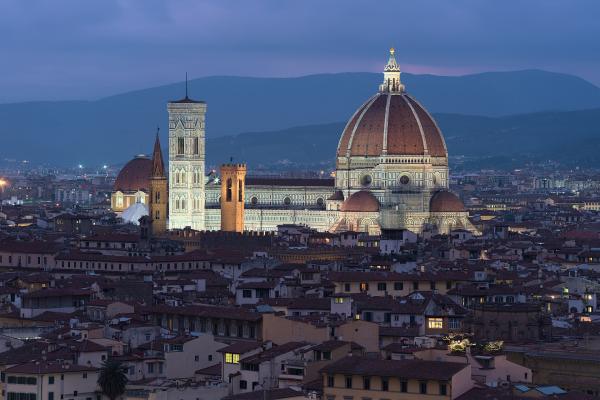
The Cathedral of Saint Mary of the Flower (Cattedrale di Santa Maria del Fiore), known to everyone in Florence simply as the Duomo, is the seat of the Catholic Archdiocese of Florence and the building that defines the city’s skyline. Work began in 1296 under Arnolfo di Cambio, and the structure was consecrated in 1436, when Filippo Brunelleschi’s great dome was complete. The dome remains the largest brick dome ever built, raised without the wooden centring that engineers of the time expected to need, using a double shell and a herringbone brick pattern that still draws study from architects and historians.
The exterior is clad in panels of white, green and pink marble, a pattern shared with the neighbouring Baptistery and Giotto’s Campanile. The Gothic body of the church is in fact older than the facade you see now: the original front was pulled down in the 16th century and the present Neo-Gothic one was finished only in 1887. Inside, the mood changes. The nave is austere and very large, lit by high windows, and the main decoration is overhead, where the interior of the dome carries a huge Last Judgment painted by Giorgio Vasari and Federico Zuccari. Looking up at it from the floor gives a sense of the scale of the vault.
There are several separate things to see in the cathedral complex, and they are ticketed in different ways, so plan which ones matter to you. Climbing the dome means a narrow stair of roughly 463 steps between the two shells, with close views of the brickwork and the painted ceiling before you reach the lantern and a view across the red roofs to the Tuscan hills. Giotto’s Campanile offers a similar climb with a view of the dome itself, which many people prefer because the Duomo is in the picture. The Baptistery of San Giovanni, across the square, is known for its mosaic ceiling and its bronze doors; the original gilded panels of Ghiberti’s bronze east doors are kept in the cathedral museum, the Museo dell’Opera del Duomo, together with sculpture removed from the facade and the campanile.
The square is crowded for most of the day, so early morning or late afternoon makes for a calmer visit. The cathedral sits a short walk from Piazza della Signoria and the Uffizi Gallery, and the whole historic centre is compact enough to cover on foot. Anyone interested in how Renaissance builders solved a problem that medieval engineers had left unfinished for over a century will find the Duomo more rewarding the more time they give it, from the first view down a narrow street to the last look at the dome from the Campanile. It is one of the most admired buildings in Italy, and the dome is the work for which Brunelleschi is still remembered.
More photos coming soon
Nearby Attractions
Other places to visit in Florence
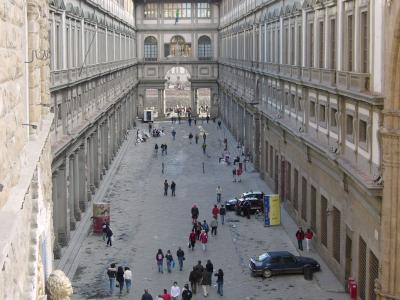
Uffizi Gallery
Renaissance art museum in Giorgio Vasari's building
History & Heritage · Museums & Culture
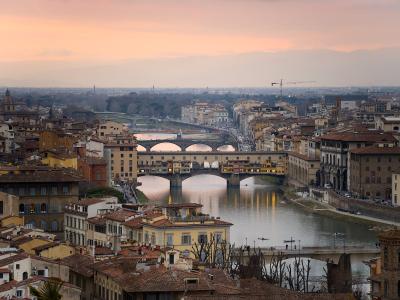
Ponte Vecchio
14th-century bridge lined with historic goldsmith shops
Historic Bridges · Scenic Viewpoints
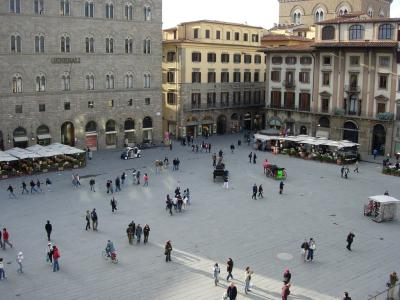
Piazza della Signoria
Renaissance square with open-air sculpture museum
Historic Palaces · Public Statues
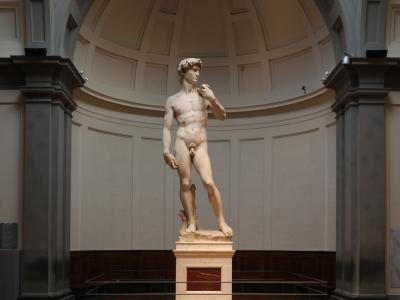
Galleria dell'Accademia
Home of Michelangelo's David
History & Heritage · Museums & Culture
Questions people ask
Quick Facts
Best Time to Visit
Visit in April to June or September to October for mild weather and fewer crowds.