







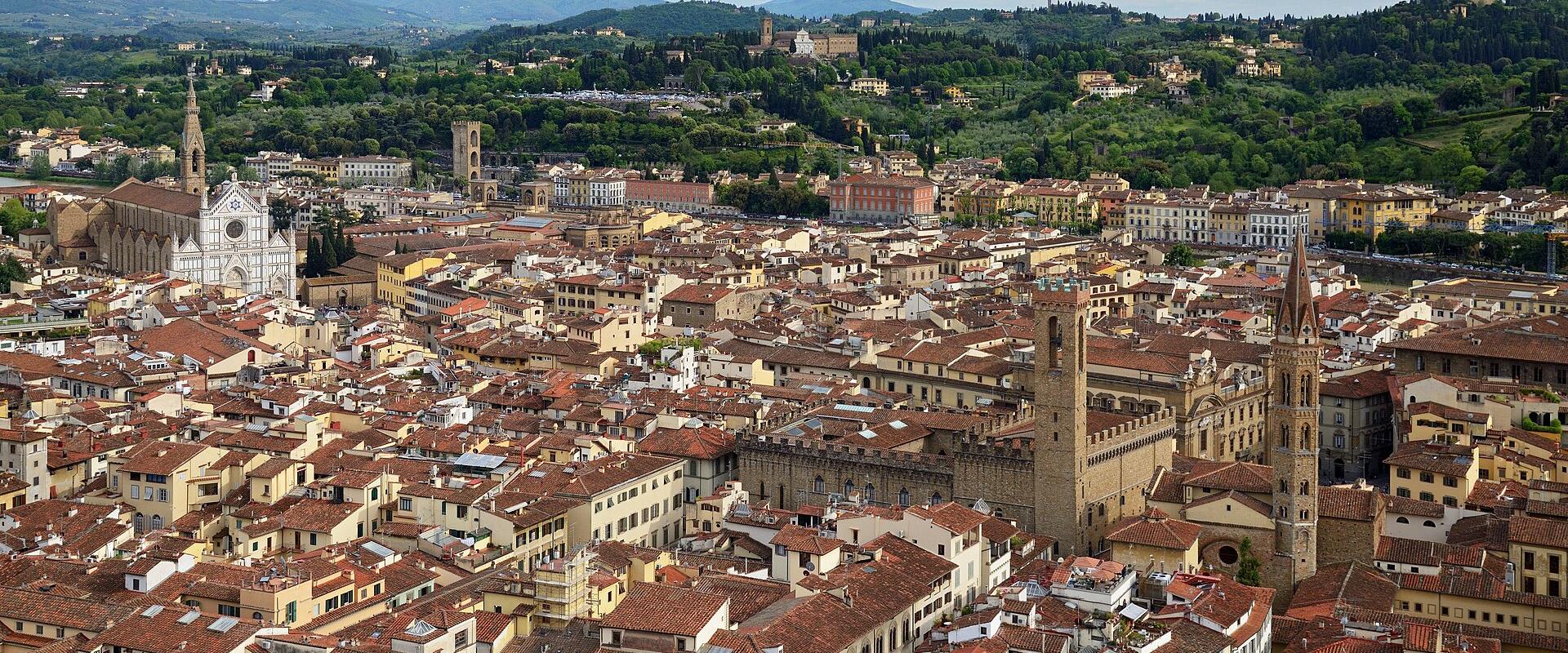
Basilica of Santa Croce
Gothic basilica housing tombs of Michelangelo and Galileo
- Hours
- Sunday, October 4th: 2:00 pm to 5:30 pm (last entry 4:30 pm)
- Where
- Florence, Tuscany
- Directions
- Directions
The Basilica of Santa Croce is the largest Franciscan church in the world and the burial place of so many Italian luminaries that it is sometimes called the temple of Italian glories. It stands in a broad, open square on the eastern side of Florence’s historic centre, east of the Piazza della Signoria, and its pale marble facade, with striped panels and a large rose window, is a 19th-century addition in the Gothic style. The church itself is much older: construction began in the late 13th century, traditionally attributed to Arnolfo di Cambio, the architect of the Cathedral, and it was consecrated in 1442. The interior is a vast, plain nave with a timbered roof, a deliberate choice for a Franciscan church that gives it a sober, spacious feel.
The tombs line the aisles. Michelangelo is buried here in a monument designed by Giorgio Vasari. Galileo, whose burial in consecrated ground was once refused, lies in a tomb opposite him. Machiavelli has a monument, and Rossini, the opera composer, was reburied here after his death in Paris. A cenotaph honours Dante, who was exiled from Florence and buried in Ravenna. The names read like a list of the greatest figures in Italy’s art, science, literature and music.
The frescoes are equally important. Giotto painted the Bardi and Peruzzi chapels near the main altar, and his followers, including Taddeo Gaddi, decorated other chapels, so the church holds a concentrated survey of early Florentine painting. Just outside the church, the cloister leads to the Pazzi Chapel, a small, elegant building generally credited to Filippo Brunelleschi, a masterpiece of early Renaissance architecture. A museum in the former refectory shows works damaged in the flood of the Arno River in 1966, including a monumental crucifix by Cimabue, which became a symbol of that disaster and of the restoration effort that followed.
The complex includes the church, the cloisters, the museum and the chapels, and tickets cover these areas. Hours and fees are given in the practical details for the site, so check them before you visit, and book ahead in high season. Visitors should remember the church is a place of worship, which means modest dress and quiet voices are expected. Allow at least ninety minutes to do justice to the interior, the cloister and the museum.
The square outside, Piazza Santa Croce, was once used for tournaments and still hosts the historic Florentine football matches each June. Leather workshops cluster nearby, including a school run in rooms behind the church, so the surrounding streets are good for browsing. The basilica suits visitors interested in Renaissance art, history and literature, and works well as a calmer alternative to the busier sights around the Duomo.
Categories
More photos coming soon
Opening Hours
- Open
- Sunday, October 4th: 2:00 pm to 5:30 pm (last entry 4:30 pm)
Hours and prices change, especially out of season. Check with the venue before you go.
Nearby Attractions
Other places to visit in Florence
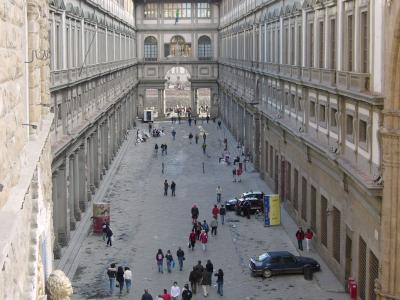
Uffizi Gallery
Renaissance art museum in Giorgio Vasari's building
History & Heritage · Museums & Culture
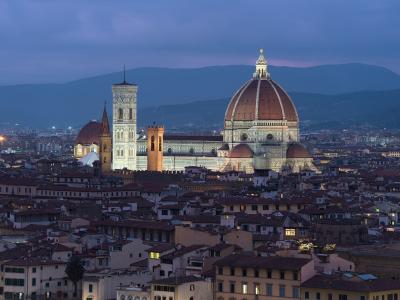
Florence Cathedral (Duomo)
Renaissance cathedral with Brunelleschi's dome
Architectural Monuments · Cultural Tours
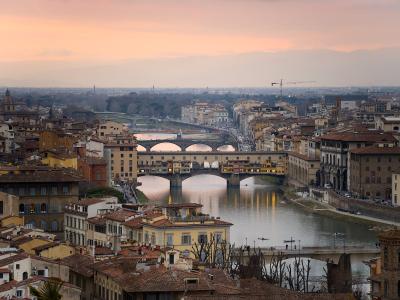
Ponte Vecchio
14th-century bridge lined with historic goldsmith shops
Historic Bridges · Scenic Viewpoints
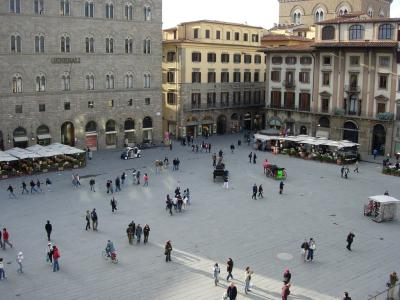
Piazza della Signoria
Renaissance square with open-air sculpture museum
Historic Palaces · Public Statues
Questions people ask
Quick Facts
Best Time to Visit
Visit in April to June or September to October for mild weather and fewer crowds.