
Teatro Comunale di Firenze
Historic 1862 opera house, former home of Maggio Musicale...
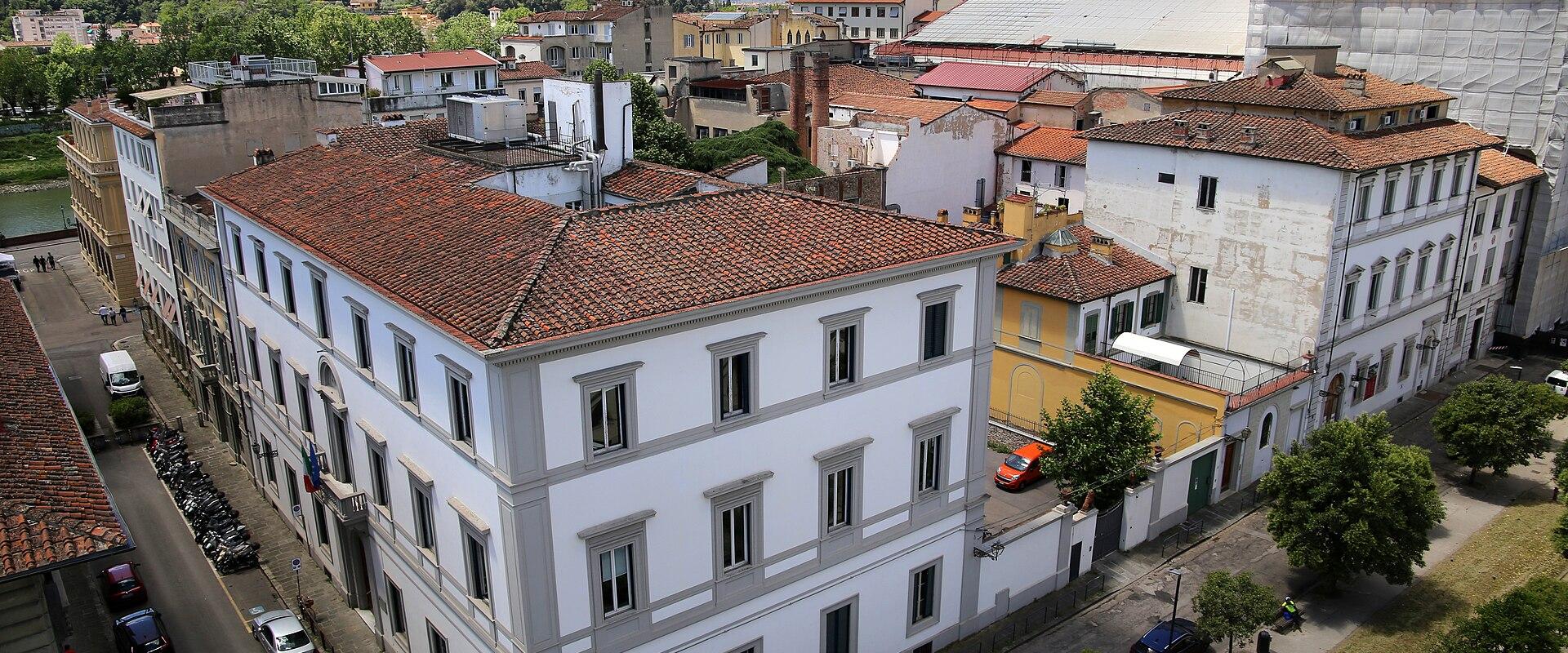
The Teatro Comunale di Firenze, historically known as "il Comunale," was a significant cultural landmark in Florence, Italy, serving as the city’s primary venue for opera, symphony, and theater performances from 1862 until its closure around 2014. Originally constructed as the open-air Politeama Fiorentino Vittorio Emanuele near Porta al Prato, the theater underwent several transformations. It suffered a fire in 1862, reopened in 1864, and acquired a roof in 1882. Modernized with electricity and heating by 1911, it was taken over by city authorities in 1930 and renamed Teatro Comunale.
The venue was deeply associated with the Maggio Musicale Fiorentino, becoming its home in 1931. It was damaged during World War II and closed for three years starting in 1958 before reopening in May 1961 as a 2,000-seat elliptical auditorium. In 2014, the festival moved to a new venue, the Teatro del Maggio Musicale Fiorentino, marking the end of the Teatro Comunale’s era as a major performance space.
Today, the building stands as a testament to Florence’s rich musical heritage. While it no longer hosts regular performances, its historical significance remains a point of interest for those studying the city’s cultural evolution. The structure reflects the architectural and artistic trends of the late 19th and early 20th centuries. Visitors interested in the history of Italian opera and theater may find the site noteworthy for its role in shaping Florence’s artistic identity. The closure of the venue shifted the focus of major performances to other locations, but the legacy of the Teatro Comunale endures in the annals of Florentine cultural history.
Categories
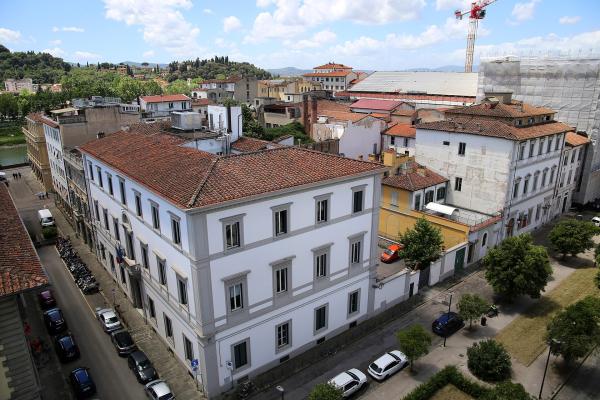
More photos coming soon
Opening Hours
Hours
Closed
Nearby Attractions
Other places to visit in Florence
Frequently Asked Questions
Quick Facts
Best Time to Visit
Visit in April to June or September to October for mild weather and fewer crowds.