







- Where
- Florence, Tuscany
- Directions
- Directions
The Boboli Gardens rise in a long slope behind Palazzo Pitti, on the south side of the Arno in Florence, and they are among the earliest and most influential examples of the Italian Renaissance garden. Work began in the 1550s for Eleonora di Toledo, the wife of Cosimo I de’ Medici, after she bought the palace. Niccolo Tribolo laid out the first scheme, and Bartolomeo Ammannati and Bernardo Buontalenti and others carried it on, so that the garden grew and changed over more than two centuries as the Medici and their successors added to it.
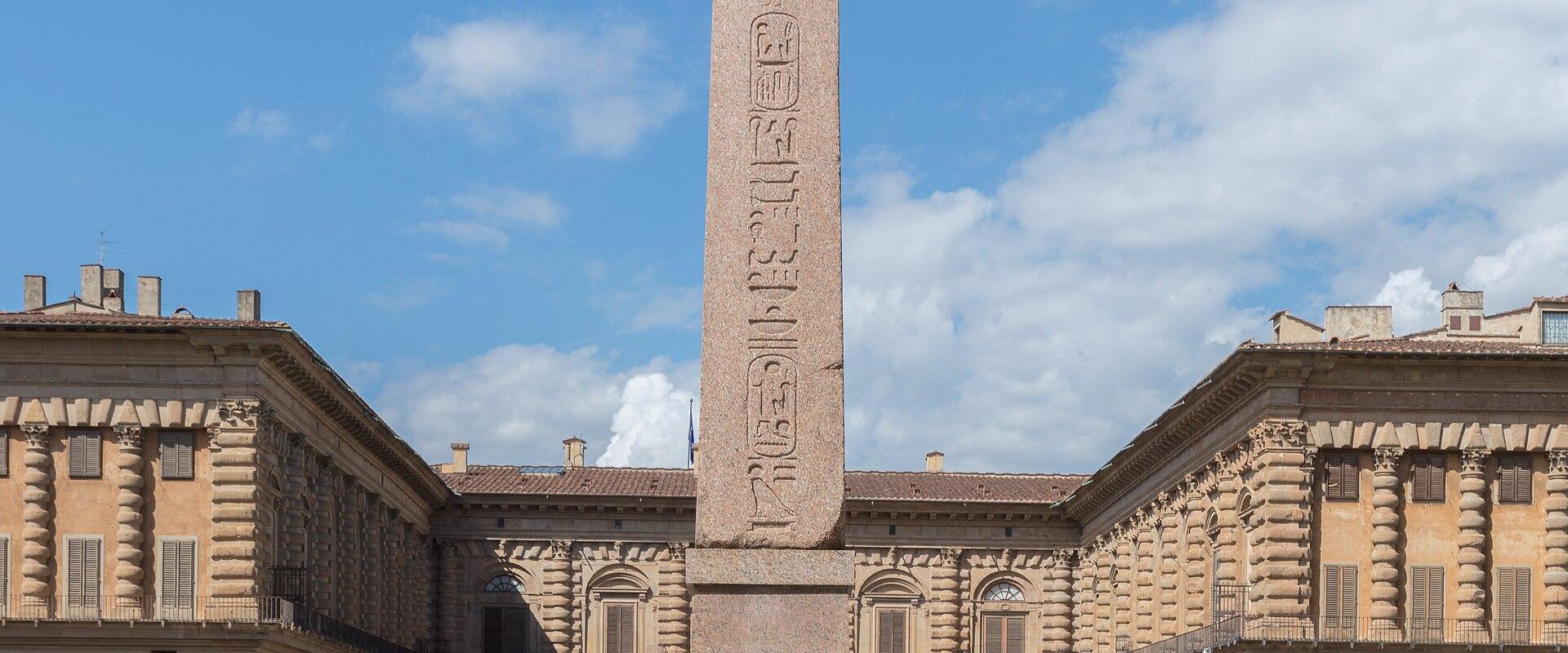
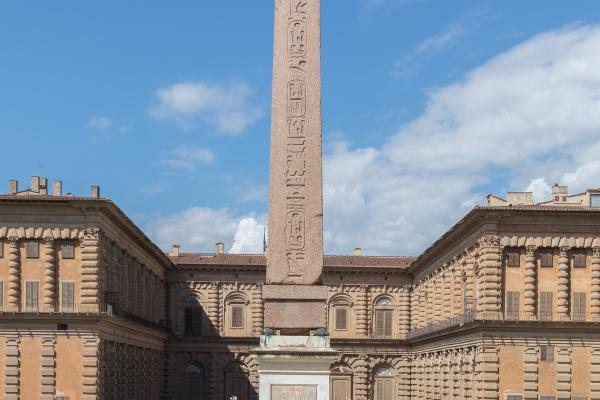
The layout is a good lesson in how a Renaissance garden was meant to be read. Directly behind the palace a hollow in the hillside was shaped into an amphitheatre, used for court festivals, with an ancient Egyptian obelisk set at its centre. From there, avenues of cypress and holm oak climb past statues and clipped hedges toward the upper terraces. The Grotta Grande near the palace, designed by Buontalenti in the 1580s, has a facade of rough stone, a vaulted interior covered in fantastical decoration and a series of rooms with sculpture. Copies of Michelangelo’s unfinished Slaves were once displayed there, and the originals are now in the Galleria dell’Accademia. Giambologna’s Fountain of Oceanus stands on the Isolotto, a small oval island ringed by water and reached by tree-lined paths, and it is one of the most photographed spots in the garden. The Fountain of Neptune, often called the Fork Fountain, is another notable stop.
The upper levels reward the climb. The Giardino del Cavaliere and the terraces near the Forte di Belvedere open out to wide views over the roofs of Florence, with the Duomo and the hills in the distance, and the paths up there are quieter than the lower garden. The garden covers a large area with many steps and gravel paths, so comfortable shoes help, and the shaded avenues are welcome on hot summer days.
Boboli is a good counterpart to the museums of the city. It suits anyone who likes slow walking, sculpture in an outdoor setting, and a sense of how the Medici used landscape to display power and taste. A visit combines easily with Palazzo Pitti, whose entrance leads straight into the garden, and it can occupy a few hours or most of a day depending on how much of the lower garden and the hill you want to explore. The Piazzale Michelangelo and the Oltrarno streets lie nearby on the same bank of the river.
Categories
More photos coming soon
Nearby Attractions
Other places to visit in Florence
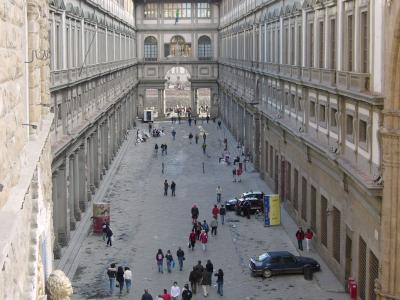
Uffizi Gallery
Renaissance art museum in Giorgio Vasari's building
History & Heritage · Museums & Culture
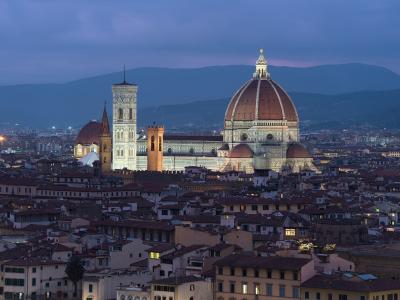
Florence Cathedral (Duomo)
Renaissance cathedral with Brunelleschi's dome
Architectural Monuments · Cultural Tours
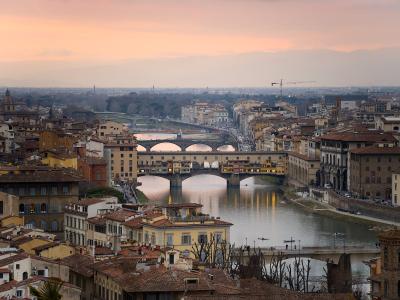
Ponte Vecchio
14th-century bridge lined with historic goldsmith shops
Historic Bridges · Scenic Viewpoints
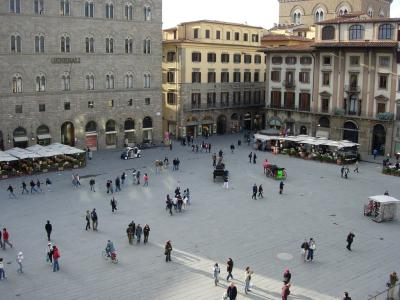
Piazza della Signoria
Renaissance square with open-air sculpture museum
Historic Palaces · Public Statues
Questions people ask
Quick Facts
Best Time to Visit
Visit in April to June or September to October for mild weather and fewer crowds.