







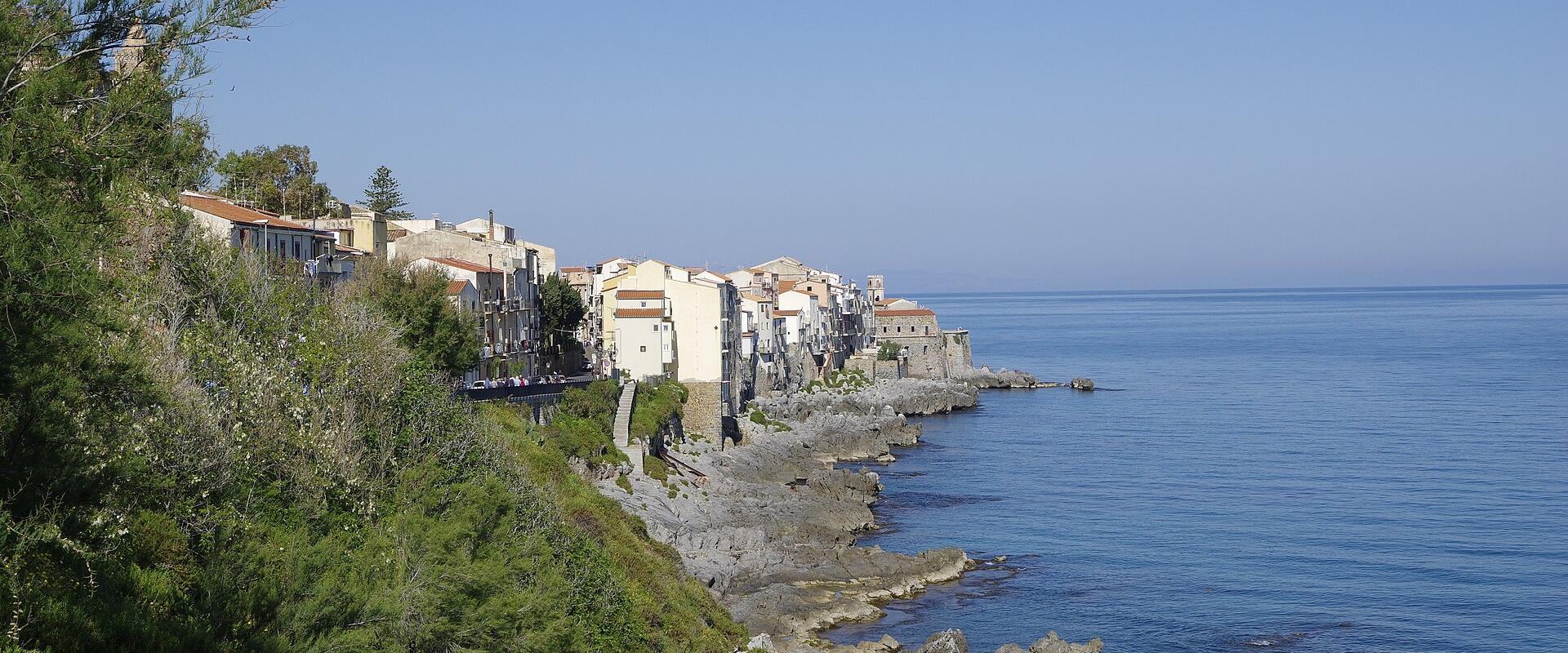
Cefalù’s history goes back to ancient times, with evidence of Greek and Roman settlements. The town was known as Cephaloedium in classical antiquity. Its modern identity was shaped in the 12th century, when, according to tradition, King Roger II of Sicily came ashore here in 1130 after a storm and vowed to build a church if he survived. This vow led to the construction of the Norman Cathedral, a masterpiece of Norman-Arab-Byzantine architecture. The cathedral, begun in 1131, has a strong facade, a grand interior with golden mosaics, and a crypt. The town grew around this religious centre, developing a medieval layout with narrow streets and fortified walls. The imposing rock of La Rocca, which overlooks the town, was used as a defensive stronghold and later as a quarry. In the following centuries Cefalù remained an important religious and cultural centre, preserving its Norman heritage under various ruling powers. Today the town is a UNESCO World Heritage Site as part of the 'Arab-Norman Palermo and the Cathedral Churches of Cefalù and Monreale,' recognized for its unique architectural synthesis.
The main attractions are centred on the cathedral, the beach, and the historic centre. The Cathedral of Cefalù (Duomo di Cefalù) is the primary landmark, with a massive facade, a rose window, and interior mosaics, including a huge image of Christ in the apse that is regarded as one of the finest Byzantine-style mosaics in Italy. The crypt and the sacristy hold further treasures, and local tradition connects Saint Alban of Cefalù with the town's devotions. La Rocca, the large rock formation about 270 metres high, offers hiking trails with views of the town and the sea, and the remains of a temple and ancient walls near the top. The historic centre, or 'Borgo,' is a maze of narrow streets lined with artisan shops, cafes, and historic palaces. The Museo Mandralisca, a museum housed in a historic building, is known for its varied collections, including a Portrait of an Unknown Man by Antonello da Messina, and the Palazzo Lanza di Trabia houses a ceramics museum. The wide sandy beach, the Spiaggia di Cefalù, is one of the most popular on the Sicilian north coast, ideal for swimming and sunbathing. The nearby Madonie Regional Natural Park offers extensive hiking trails and landscapes.
Activities in Cefalù include exploring the cathedral, hiking La Rocca, and enjoying the beach. The town is known for traditional Sicilian cuisine, including fresh seafood, pasta with sardines, and wines such as Etna Rosso, which comes from the slopes of Mount Etna. Visitors can take guided tours to learn about the history of the Norman kingdom and the cathedral's mosaics. The surrounding area offers cycling and visits to nearby towns such as Polizzi Generosa. Cefalù also hosts festivals, including the Feast of Saint Alban, the Transfiguration celebrations in early August, and the Cefalù Jazz Festival. Shopping includes local ceramics, textiles, and food products. For those interested in history, guided tours explore the Norman and medieval heritage of the town.
Getting to Cefalù is convenient by road and rail. The town is reached by car from Palermo, about 70 kilometres away, via the SS113 road or the motorway. Cefalù has a railway station on the Palermo-Messina line, with frequent services from Palermo. For those flying, the nearest airport is Palermo Airport, about 80 kilometres away.
The best time to visit Cefalù is from May to June or September to October, when the weather is warm and pleasant, ideal for beach activities and sightseeing. July and August are peak tourist months, with higher temperatures and larger crowds. Winter is mild but can be windy. Despite the seasonal variations, Cefalù’s rich history and natural beauty make it a rewarding destination year-round.
Best time to visit
Visit between May and June or September and October for warm weather and fewer crowds.
What to see in Cefalù
Our picks first.
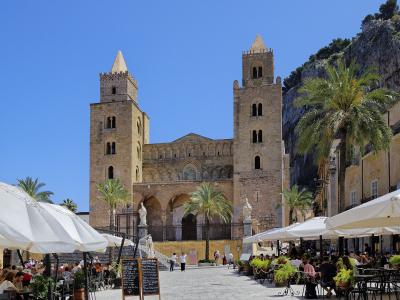
Cefalù Cathedral (Duomo di Cefalù)
Norman basilica with Byzantine mosaics
Architectural Monuments · Historic Churches
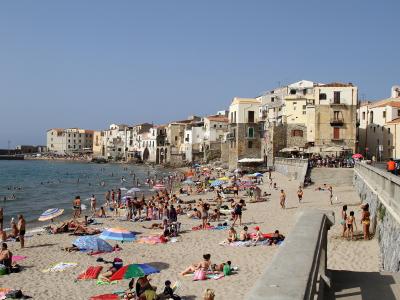
Spiaggia di Cefalù
Sandy beach beneath La Rocca promontory
Beaches · Historic Towns
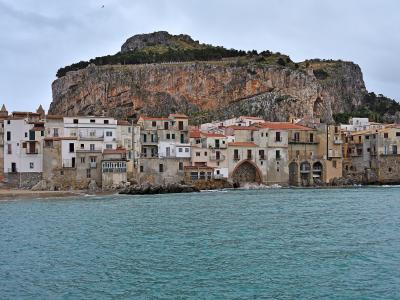
La Rocca
270m limestone peak with Norman castle and ancient temple...
From €5 Castles & Fortresses · Hiking Trails
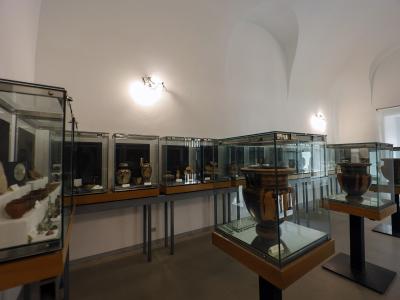
Museo Mandralisca
19th-century bequest in a historic Cefalù building
History & Heritage · Museums & Culture
Cefalù by interest
The same sights, grouped by what you came for.
Did you know?
Checked facts about Cefalù, each with its source.
-
Record
Cefalù Cathedral Joined UNESCO's World Heritage List in 2015
Cefalù's Norman cathedral, founded by King Roger II in 1131 together with the town's diocese, was added to the UNESCO World Heritage List in 2015 as part of the site 'Arab-Norman Palermo and the Cathedral Churches of Cefalù and Monreale'.
Source: Visit Italy
Planning a visit to Cefalù
Itineraries that include Cefalù
Good to know
- Currency
- EUR
- Language
- Italian
Quick Facts
Book your stay
Questions people ask
More places in Sicily
Sicily
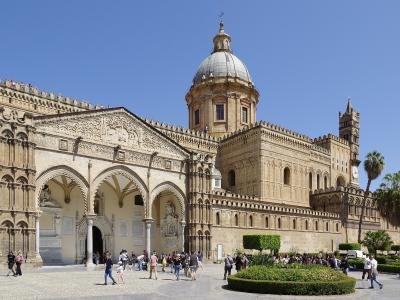
Palermo
Sicily's vibrant capital blending Arab-Norman history with bustling markets
Sicily
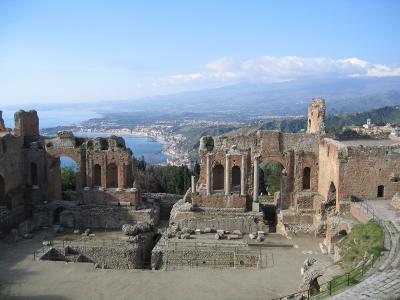
Taormina
Clifftop Sicilian town with Greek theater and Mount Etna views
Sicily
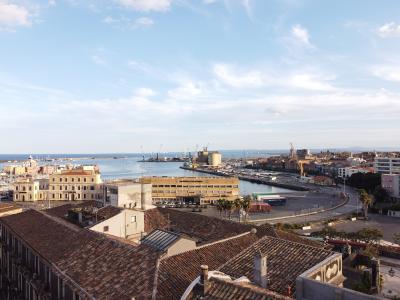
Catania
Vibrant Sicilian city beneath Mount Etna with Baroque architecture
Sicily
Siracusa
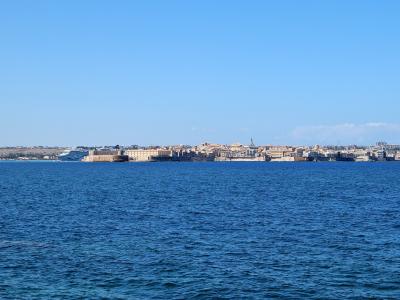
Ancient Greek metropolis in Sicily with Baroque Ortigia island