







- Admission
- €5
- Where
- Cefalù, Sicily
- Directions
- Directions
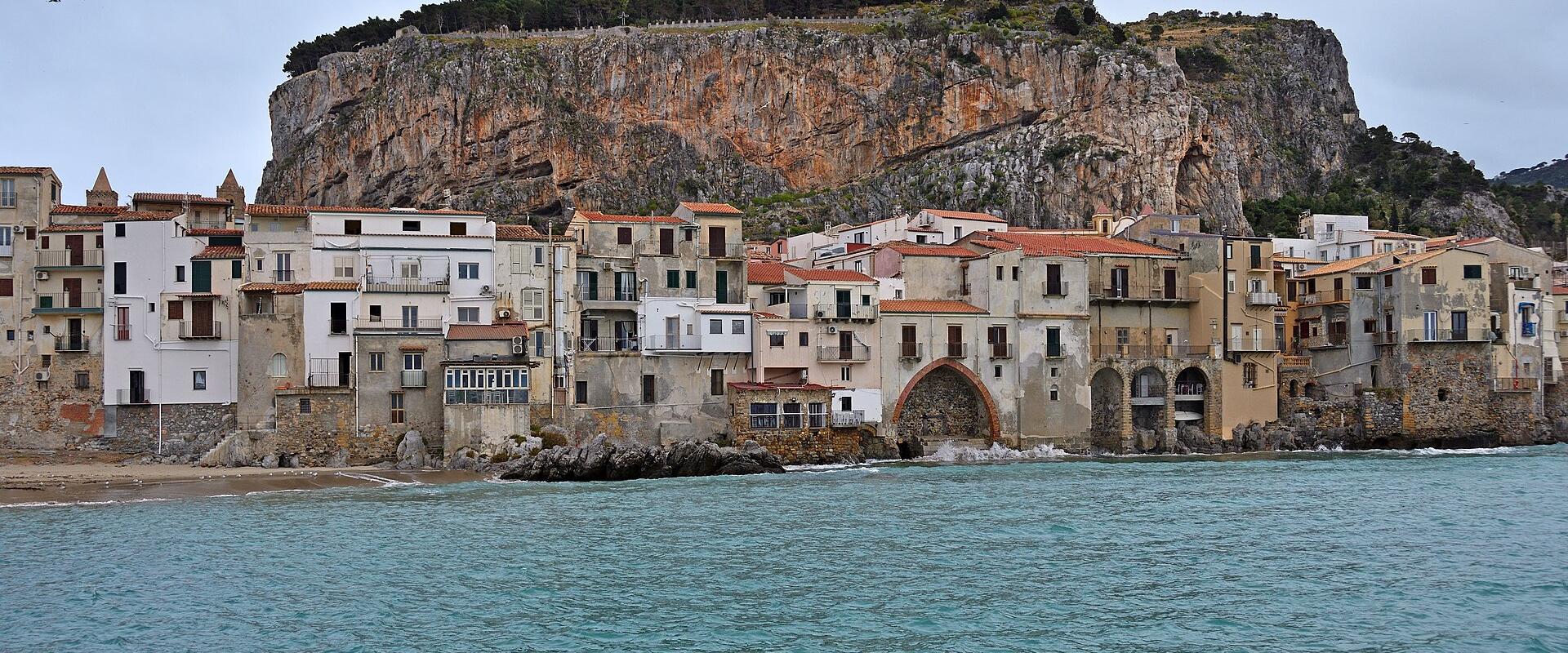
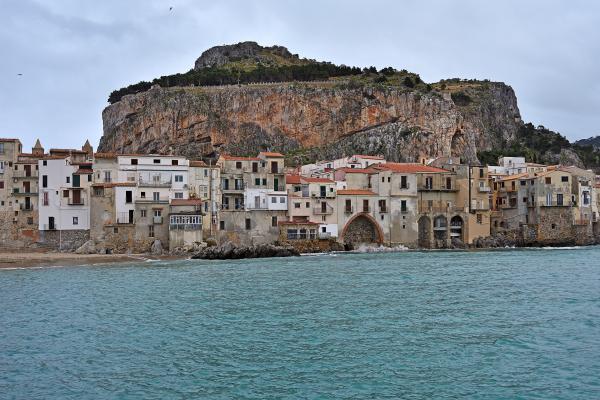
La Rocca di Cefalù is a protected limestone outcrop in Sicily, standing approximately 270 meters high and dominating the panorama of Cefalù, the seaside town on the northern coast of the island, east of Palermo. The great mass of rock rises almost straight from the sea behind the old town, and its sheer cliffs and flat summit give the town its unmistakable profile. It is the reason the town exists: the name Cefalù is thought to come from the Greek for head, because the rock looks like a head over the water, and the rock has been used as a stronghold and a refuge from prehistoric times.
The summit features the ruins of Castello di Cefalù and the Temple of Diana, which dates to the 8th–9th century BC. The so-called Temple of Diana is a structure of massive stone blocks, built around a cistern that was connected to a sacred spring, and associated with the worship of a goddess, though its true function is debated, and later it was reused in the Roman period. The site has a long history of occupation, ranging from the prehistoric era through Norman control in the 12th–13th centuries, when the castle was a part of the Norman defenses of the town and the royal court used the area, and Arab and Byzantine phases left traces. The walls of the old town, which climb the rock in a long line, were built in successive phases, with parts dating back to megalithic construction. The ruins are managed by the Department for Cultural and Environmental Heritage, and the rock offers hiking trails with panoramic views of the town and the sea.
Visiting the Rocca di Cefalù is a paid experience, with a modest entrance fee that includes access to both the Temple of Diana and the Castle of Cefalù. The hiking route typically starts from Salita Saraceni street, a stepped lane that begins in the old town and climbs steadily up the hillside through a series of switchbacks. The ascent takes about forty minutes to an hour at an easy pace, passing through an old gate in the medieval walls and across rocky ground covered with Mediterranean scrub, and the effort is rewarded by views that widen at every turn. Visitors should wear comfortable footwear suitable for uneven terrain and bring water, especially during warmer months, and a hat, since there is little shade. The hike provides a physical challenge but rewards visitors with historical insights and scenic vistas.
From the top, the whole town spreads out below, the red-tiled roofs, the twin towers of the cathedral, the crescent of the beach, and the Tyrrhenian Sea stretching to the Aeolian Islands on a clear day. It is advisable to check local tourism resources for any seasonal variations or maintenance closures, and to start early in summer to avoid the heat, or to climb in the late afternoon for the sunset light.
Exploring La Rocca offers insight into the archaeological and historical layers of Cefalù, and it is an essential stop to appreciate the region’s ancient heritage. The combination of natural beauty and historical ruins makes it a memorable destination. It complements visits to the Duomo, the Cefalù Cathedral, a great Norman church of the 12th century with golden mosaics, part of a UNESCO World Heritage listing, the Museo Mandralisca and the Spiaggia di Cefalù, providing a view of the town’s cultural and natural identity.
Categories
More photos coming soon
Admission Fees
- Admission
- €5
Hours and prices change, especially out of season. Check with the venue before you go.
Nearby Attractions
Other places to visit in Cefalù
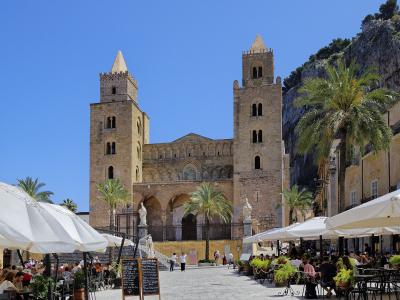
Cefalù Cathedral (Duomo di Cefalù)
Norman basilica with Byzantine mosaics
Architectural Monuments · Historic Churches
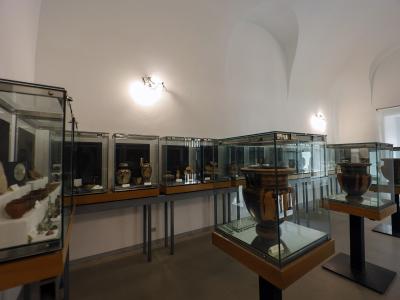
Museo Mandralisca
19th-century bequest in a historic Cefalù building
History & Heritage · Museums & Culture
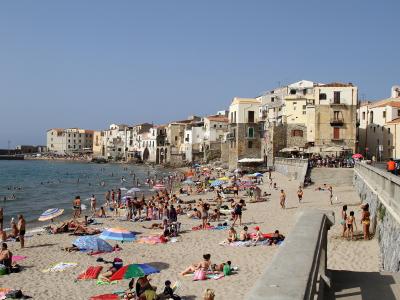
Spiaggia di Cefalù
Sandy beach beneath La Rocca promontory
Beaches · Historic Towns
Questions people ask
Quick Facts
Best Time to Visit
Visit between May and June or September and October for warm weather and fewer crowds.