







- Where
- Cefalù, Sicily
- Directions
- Directions
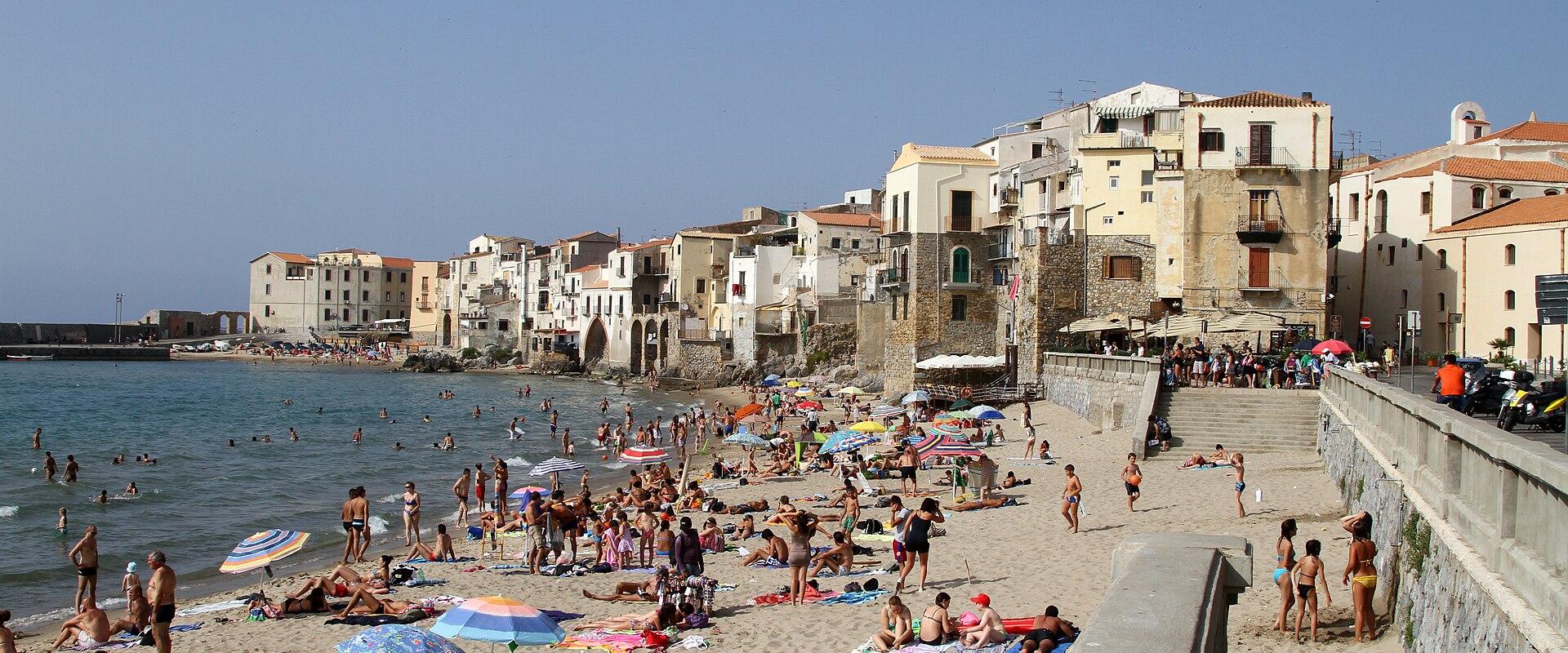
Spiaggia di Cefalù is a prominent sandy beach in the historic town of Cefalù, Sicily, on the Tyrrhenian coast, about seventy kilometers east of Palermo. The beach stretches along the shoreline in front of the old town, offering clear waters and views of the town’s medieval architecture and the iconic 270-meter rock promontory known as La Rocca. This natural landmark, which the Phoenicians are said to have identified as the promontory of Hercules, dominates the landscape and features ancient cisterns and the ruins of the Temple of Diana. Few seaside towns can offer such a combination: a golden beach with a medieval town and a cathedral behind it and a huge rock above.
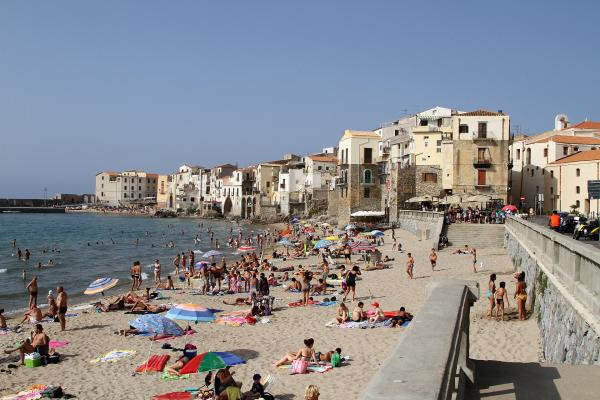
The beach lies at the foot of the old center. At the western end, the old fishermen’s quarter reaches the sand, with small boats pulled up on the shore and houses whose balconies overlook the water, while the twin towers of the cathedral rise behind the rooftops. The sand is fine and pale and the water, shallow near the shore, is clear and calm, which makes it good for families with young children. Beach clubs rent umbrellas and loungers on part of the shore, while free public areas remain open, and a promenade along the back of the beach, with cafes, ice-cream stands and restaurants, links it to the harbor and the old town. A longer, quieter stretch of sand, Kalura, lies to the east, beyond the town.
Cefalù is recognized as one of I Borghi più belli d'Italia, the most beautiful villages of Italy, and it draws many visitors, especially in summer. The town’s name derives from Greek, Kephaloidion, Roman, Coephaledium, and Arabic, Gafludi, origins, all pointing to the head, the rock above it. The historic center is organized around the Duomo, a Norman cathedral commissioned by King Roger II, which reflects Islamic craftsmanship and houses Byzantine mosaics, in a square a few steps from the beach. The streets between the cathedral and the sea are narrow, with shops, craft workshops and restaurants serving fresh fish and pasta with sardines, a Sicilian classic.
While specific opening hours and admission fees do not apply to the public beach, access to the town’s landmarks may require tickets. For instance, the Duomo is generally open daily in the morning and the afternoon, with free entry to the main area. Visitors are advised to dress modestly when entering religious sites, so it is a good idea to bring a cover-up when moving between beach and church. The beach is busiest from late June to early September, and on weekends in the high season it is crowded, so early morning and late afternoon are quieter and the light is better for photographs.
Exploring Spiaggia di Cefalù offers insight into Sicily’s coastal heritage. It is an essential stop to appreciate the blend of natural beauty and historical depth. The combination of sandy shores, medieval architecture and mountain views makes it a memorable destination. It complements visits to the Cathedral and the climb up La Rocca, providing a view of the region’s cultural identity, and the Museo Mandralisca, a small museum with an Antonello da Messina portrait, is also close.
Categories
More photos coming soon
Nearby Attractions
Other places to visit in Cefalù
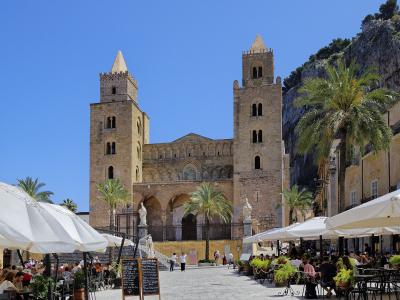
Cefalù Cathedral (Duomo di Cefalù)
Norman basilica with Byzantine mosaics
Architectural Monuments · Historic Churches
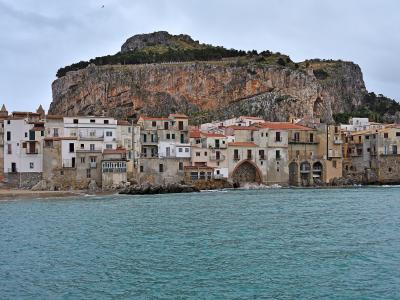
La Rocca
270m limestone peak with Norman castle and ancient temple...
From €5 Castles & Fortresses · Hiking Trails
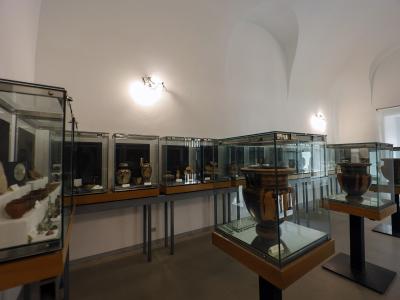
Museo Mandralisca
19th-century bequest in a historic Cefalù building
History & Heritage · Museums & Culture
Questions people ask
Quick Facts
Best Time to Visit
Visit between May and June or September and October for warm weather and fewer crowds.