







- Admission
- Audio guides available for purchase at I.A.T.
- Hours
- Daily 8:00 am to 8:00 pm
- Where
- Assisi, Umbria and Marche
- Directions
- Directions
The Temple of Minerva stands on the north side of Piazza del Comune, Assisi’s central square, and is one of the best-preserved Roman temple fronts in Italy. Built in the second half of the 1st century BC, when the town was the Roman municipium of Asisium, it has a classical facade of six fluted Corinthian columns on tall bases, supporting a triangular pediment. Although it is usually called the Temple of Minerva, scholars believe it may have been dedicated to a different deity, and the name stuck through habit. Whatever the dedication, the building is an unusually intact survivor from the Roman town and forms part of the UNESCO World Heritage Site of Assisi.
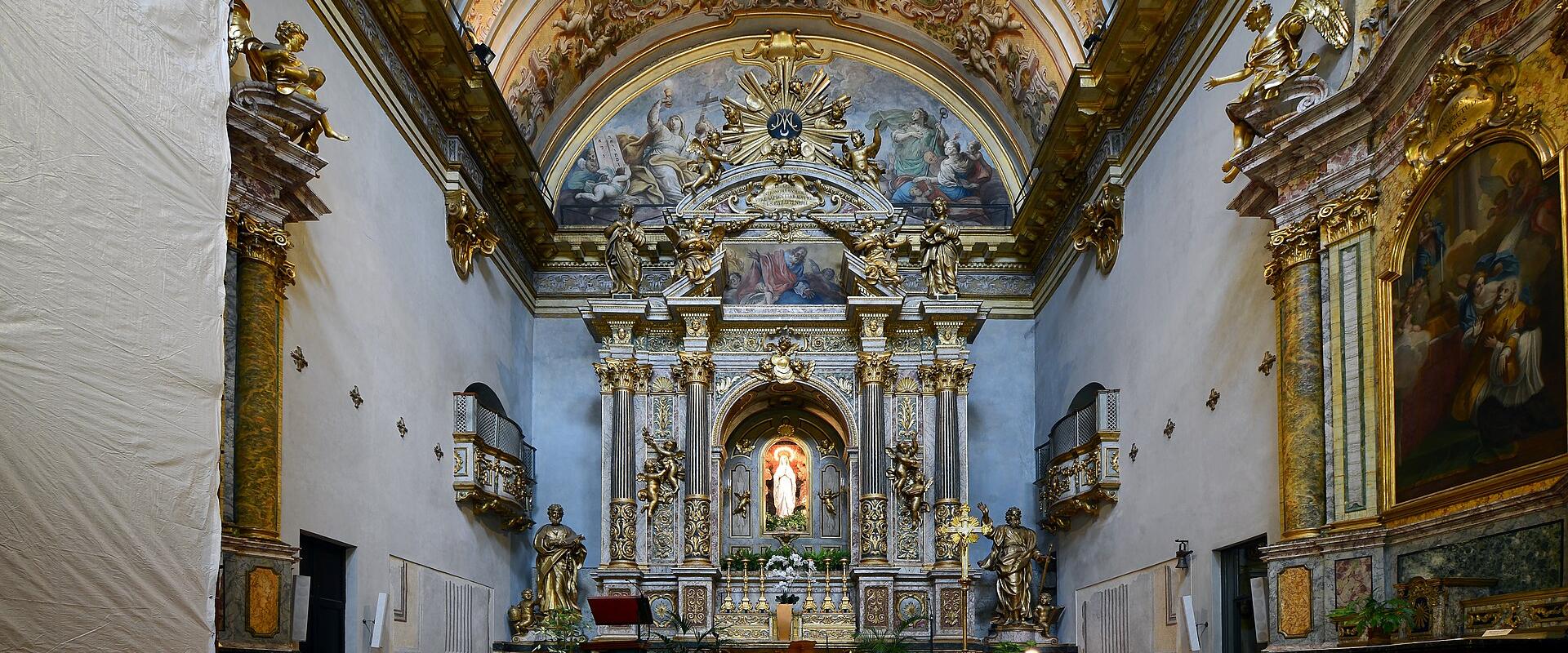
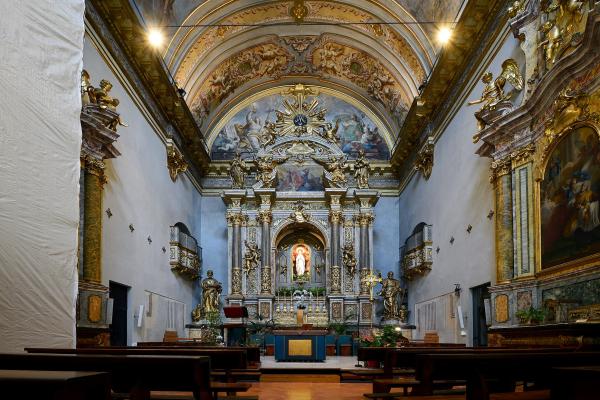
The temple’s survival is due to reuse. In the Middle Ages it was turned into a Christian church, and over the centuries the interior served several civic purposes, including as a residence for the town’s magistrates, the seat of the Commune and even a jail. In the 16th century the original inner room was demolished, and the building was converted into the church of Santa Maria sopra Minerva, which was later given a Baroque interior in the 17th century. As a result, the ancient exterior and a Baroque church exist inside the same shell, a very Italian layering of periods.
Its best-known visitor is the German writer Johann Wolfgang von Goethe, who stopped in Assisi in 1786 during his Italian journey. He walked straight past the great Franciscan basilica, which did not interest him, in order to see the Roman temple, which he described with delight as the first complete ancient monument he had ever seen. His account helped make the temple a stop for visitors on the Grand Tour.
Today you can view the facade at any time from the square, where the contrast between the clean classical lines and the surrounding medieval buildings is striking. The church inside is open during general daytime hours, and worship services are held regularly, including Mass and Vespers, so access is limited at those times. Visitors should dress modestly and be quiet. Audio guides are available at the tourist information office on the square, offered in Italian, English, French, German and Spanish. There are no restrooms, shops or refreshment points in the building, and the interior is not accessible for wheelchair users because of steps. Guided tours are not offered on site.
The temple is best seen in the early evening, when the light turns the stone warm and the square fills with locals, or in the morning before groups arrive. A stop takes only a few minutes, but it pairs well with a walk along Via di San Francesco and with the neighboring civic buildings of the Piazza del Comune. It is of particular interest to those who enjoy Roman history and the way later centuries adapted ancient buildings to new uses.
Categories
More photos coming soon
Hours & Fees
- Open
- Daily 8:00 am to 8:00 pm
- Admission
- Audio guides available for purchase at I.A.T.
Hours and prices change, especially out of season. Check with the venue before you go.
Nearby Attractions
Other places to visit in Assisi
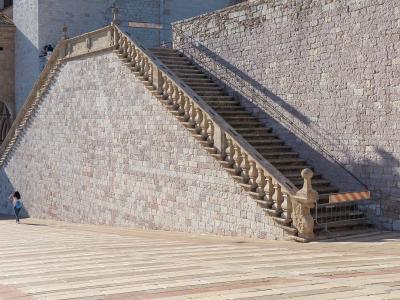
Basilica of Saint Francis of Assisi
UNESCO site housing Giotto's frescoes
Art Museums · Cultural Tours
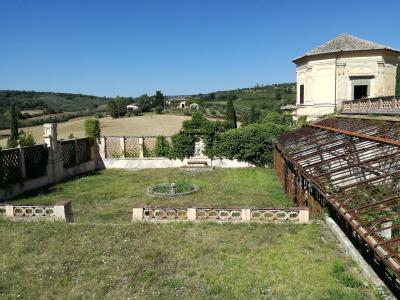
Giardino del Cardinale
13th-century garden with medieval frescoes
Botanical Gardens · Scenic Viewpoints
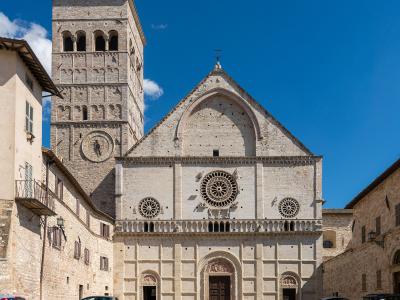
San Rufino Cathedral
13th-century Romanesque cathedral with St. Francis font
Architectural Monuments · Historic Churches
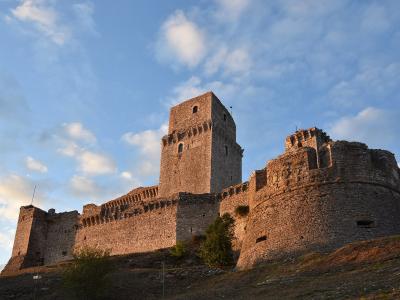
Rocca Maggiore
14th-century fortress with panoramic Umbrian views
Castles & Fortresses · Cultural Tours
Questions people ask
Quick Facts
Best Time to Visit
Visit in April to June or September to October for mild weather and fewer crowds.