






The Green Gold of Lazio
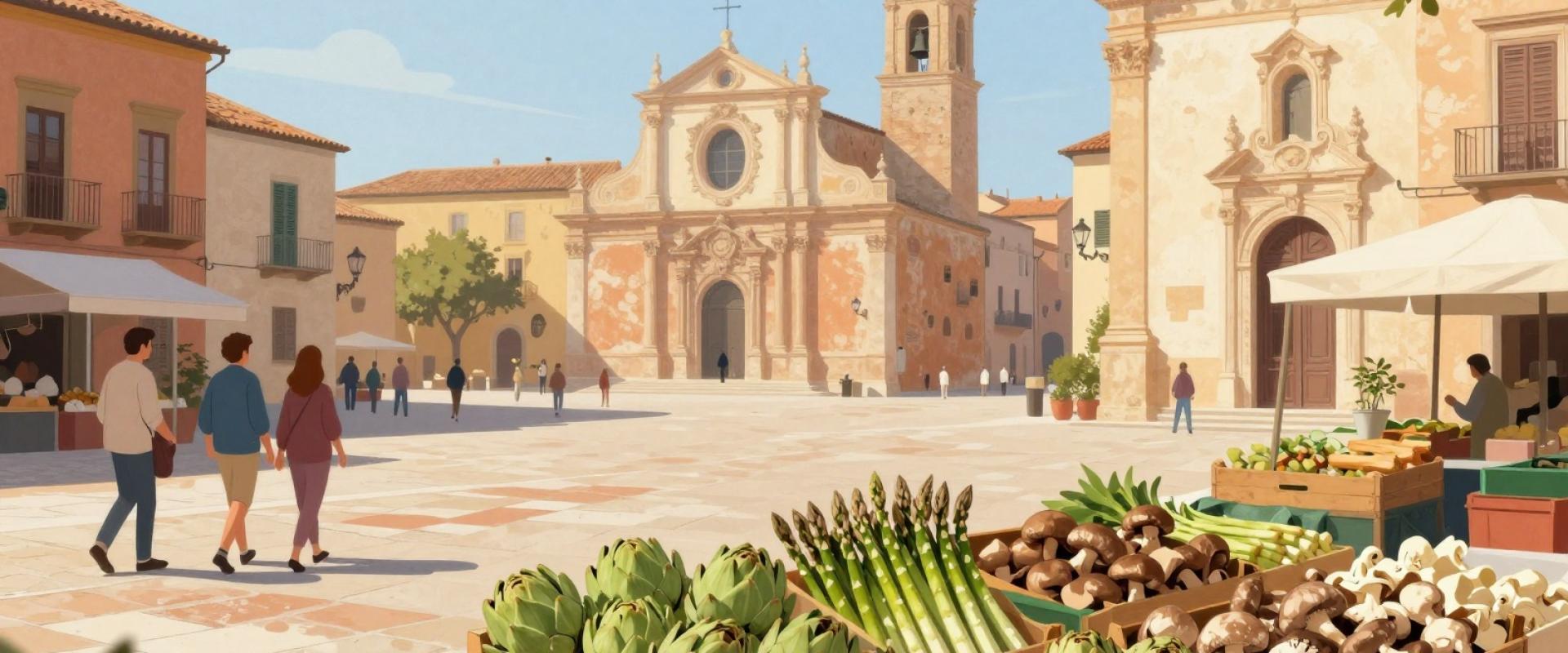
The air in Rome’s Testaccio Market shifts in early spring, carrying an earthy, sharp scent that signals the arrival of the carciofo romanesco. This spiky green vegetable is far more than a seasonal ingredient; it is the heartbeat of Lazio’s culinary identity from February through May. Vendors pile these prized heads high, their tight, thorny leaves promising a tender, sweet center.
Children often gravitate toward the vibrant textures and unique shapes, transforming a simple grocery run into an engaging lesson on seasonal eating. You can point out how deeply this crop is woven into local traditions, appearing on nearly every spring menu in the city. It is not just food; it is a tangible link to the land and its rhythms.
Exploring these stalls offers a sensory education that textbooks cannot match. The lively atmosphere, combined with the visual drama of the produce, captivates young imaginations while parents appreciate the authenticity. This cultural staple transforms ordinary meals into memorable family adventures, grounding your trip in local reality. Pack your curiosity and your appetite for this authentic slice of Roman life.
The carciofo romanesco takes center stage from early winter through mid-spring, offering a tender alternative to its pricklier cousins. You can spot these pale green treasures at Campo de’ Fiori and Testaccio, where the air smells of damp earth and fresh produce. When shopping, prioritize heads that feel surprisingly heavy for their size, as this density signals peak freshness.
Inspect the leaves closely; they should be tightly closed and vibrant, avoiding any with brown tips or splayed edges. This selection process transforms into an engaging sensory game for children, turning a mundane chore into a lesson in local agriculture. Let them feel the cool, waxy texture and learn to distinguish quality by weight and sight. Such hands-on interaction fosters a deeper connection to Italian culinary traditions, making the market visit a memorable highlight rather than just a logistical stop.
From Garden to Table
Rome’s spring markets burst with the sharp, fresh presence of carciofo romanesco, a seasonal star that demands respect. You can tackle this spiky vegetable using two distinct, classic Roman methods. Start with Carciofi alla Romana: trim the tough outer leaves, then stuff the tender heart with a fragrant mix of garlic, mint, and breadcrumbs. Simmer these gently in olive oil until they yield to the fork, a process that unlocks the artichoke’s natural sweetness in a way even skeptical children will enjoy.
For a textural contrast, try Carciofi alla Giudia, the Jewish-Roman style that requires frying whole heads until they are crisp and golden. This technique involves hot oil and demands caution, so it is best left to adults to prepare while kids watch the transformation with fascination. The result is an earthy, delightful crunch that stands alone beautifully. Serve these seasonal treasures alongside simple boiled potatoes for a straightforward, authentic introduction to Italian spring cuisine.
Sip and Savor
The crisp, mineral notes of a Frascati white from the Alban Hills provide the ideal counterpoint to the earthy richness of Roman artichokes. Specifically, look for bottles labeled Frascati Superiore DOCG, which offer the acidity needed to cut through the garlic and mint of the carciofi alla romana preparation. This classic style braises the hearts until tender, highlighting the vegetable’s natural sweetness without overwhelming the palate.
For those traveling with young ones, swapping wine for sparkling water infused with fresh lemon slices keeps the experience light and refreshing. The unhurried rhythm of an al fresco lunch allows families to linger over conversation, letting the simple quality of seasonal ingredients take center stage. It is a quiet, grounded ritual that celebrates the spring harvest without fuss, turning a standard meal into a memorable connection with the local landscape.