
Shadows and Sweets: The Palermo Easter Rhythm
The narrow streets of Palermo thicken with the scent of burning candles and cuddure, the heavy, anise-scented Easter bread that anchors the season. This Holy Week transforms the city into a living stage where solemn religious observance meets vibrant community life. Medieval and Spanish influences shape the processions, creating a spiritual identity that feels both ancient and immediate.
For families, this duality offers a tangible lesson in faith and heritage. It is an opportunity to explore sacred spaces while savoring pastries crafted for generations. The experience immerses you in how ancient customs continue to dictate modern daily rhythms in Sicily. The entire city pauses to honor its roots through art, food, and collective memory. You witness this balance firsthand, moving from the deep reverence of the streets to the joy of shared heritage. It is a time when history feels less like a textbook and more like a living, breathing presence.
Carrying Faith: Trapani’s Wooden Masters
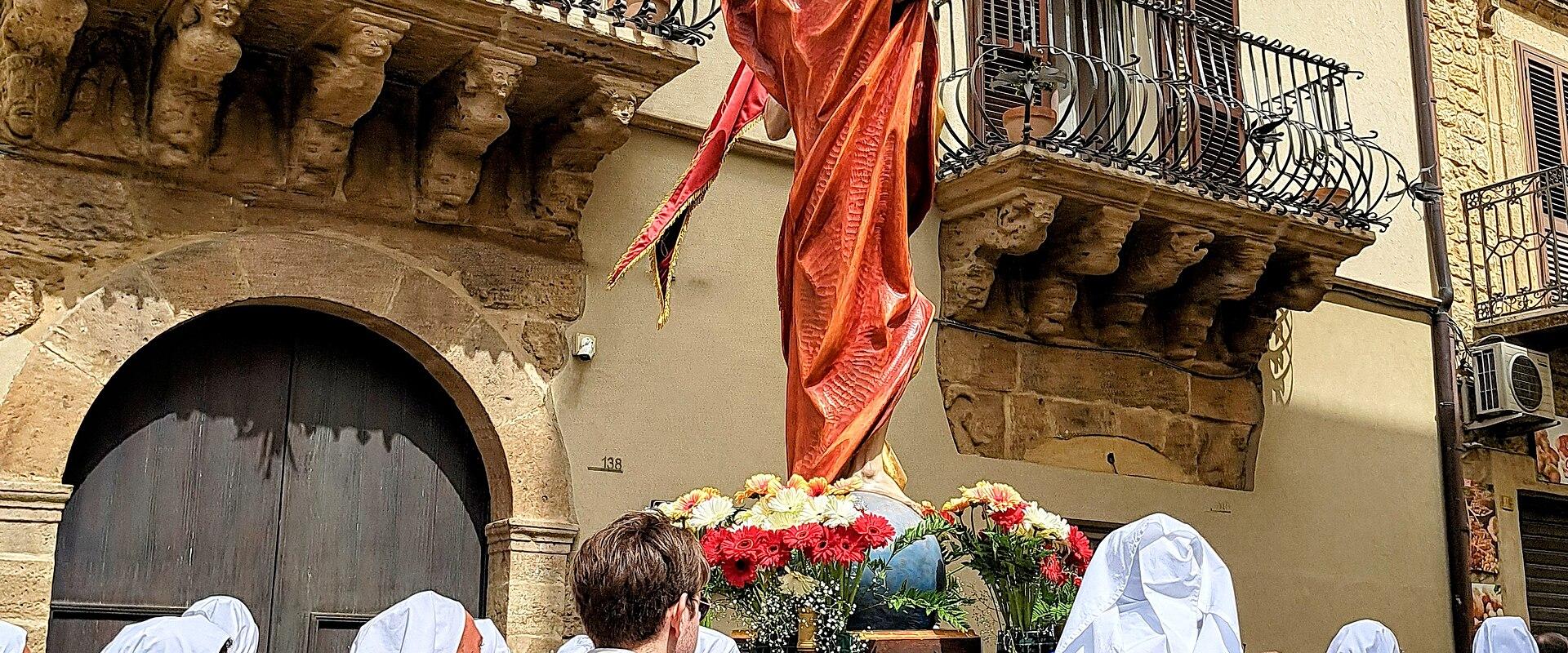
Good Friday transforms Trapani into a stage for one of Europe’s most ancient Easter rituals. The I Misteri di Trapani features eighteen Baroque wooden sculptures that trace Christ’s Passion. Carriers bear these heavy statues through narrow streets for nearly twenty-four hours. They move to the steady beat of brass bands and the rhythmic chanting of the annacata. This solemn observance began in the seventeenth century and remains deeply rooted in local identity.
Children can learn about history and faith while observing the intricate woodwork. However, this is a serious religious event, not a tourist spectacle. Visitors must keep voices low and silence phones to respect the atmosphere. Families should arrive early to secure a clear view before crowds swell. The historical weight of the procession offers a genuine cultural lesson for young minds, connecting modern observers to centuries-old devotion. The quiet reverence of the carriers speaks louder than any guidebook, serving as a powerful reminder of how faith shapes community life.
A Taste of Resurrection: Beyond the Chocolate Egg
Sicilian Easter transcends the commercial glow of chocolate eggs, rooting itself instead in sacred tradition. Local bakeries offer cassata siciliana for roughly 15 euros per slice, a layered marvel of sponge, sweet ricotta, and candied fruit that speaks to the island’s Arab, Spanish, and Norman history. This dessert is an edible prayer, a rich tapestry of flavors that honors complex heritage. While pastiera originates from Naples, Sicilian artisans craft their own grain-based tart variations, ensuring every bite reflects local pride. These sweets mark the end of Lenten fasting, symbolizing resurrection and joy rather than mere indulgence.
Gathering with family to share these treats turns a simple snack into a profound moment of connection. In Palermo, the contrast between the solemn Good Friday processions and the sweetness of Easter tablescapes creates a unique emotional landscape. Nearby, the dramatic I Misteri di Trapani statues provide a powerful backdrop to this festive period. Eating these pastries allows visitors to touch local traditions tangibly. It is a delicious way to honor the season while creating lasting memories with your children.
Sacred Spaces: Baroque Beauty and Respect
A profound stillness settles over Palermo’s churches during Holy Week, a stark contrast to the bustling streets outside. These sanctuaries house intense Baroque art, demanding that visitors dress modestly with covered shoulders and knees. Silence is mandatory, and photography is often prohibited, so check signage carefully before raising your camera. This quiet reverence honors the worshippers who seek solace within these historic walls.
In Trapani, the I Misteri di Trapani procession unfolds over nearly twenty-four hours. Eighteen Baroque wooden sculptures depicting Christ’s Passion move through the streets, accompanied by the somber sounds of brass bands playing the annacata. The intricate woodwork tells a story of faith and suffering, inviting you to observe quietly without blocking the view.
Enna’s medieval streets host over two thousand hooded brothers, a tradition rooted in Spanish influence. They march in solemn procession, their presence commanding deep respect. Keep a respectful distance, appreciate the historical weight of the moment, and maintain the solemn mood. These events blend faith and history in a way that feels both ancient and immediate.
Plan your route in advance, as transport fills quickly during these peak times. Bring water and wear comfortable shoes to stay hydrated while navigating the crowds. A respectful distance allows everyone to enjoy the cultural depth of the experience. Make wonderful memories together on this family-ready itinerary.