







- Where
- Urbino, Umbria and Marche
- Directions
- Directions
The Pinacoteca di Urbino, officially known as the Galleria Nazionale delle Marche, is a state-owned museum located within the historic Palazzo Ducale in Urbino, the small hill town in the Marche that was one of the great courts of the Italian Renaissance. Established in 1912 and managed by the Italian Ministry of Culture, the gallery is renowned for its exceptional collection of Renaissance art. It is situated at Piazza Rinascimento 13, inside a masterpiece of Renaissance architecture designed by Luciano Laurana and Francesco di Giorgio Martini. The palace was built in the second half of the 15th century for Federico da Montefeltro, the condottiero, or mercenary captain, who made his fortune as a soldier and spent it on art, scholarship and building, creating a court that Baldassare Castiglione later described in The Book of the Courtier as the model of refinement.
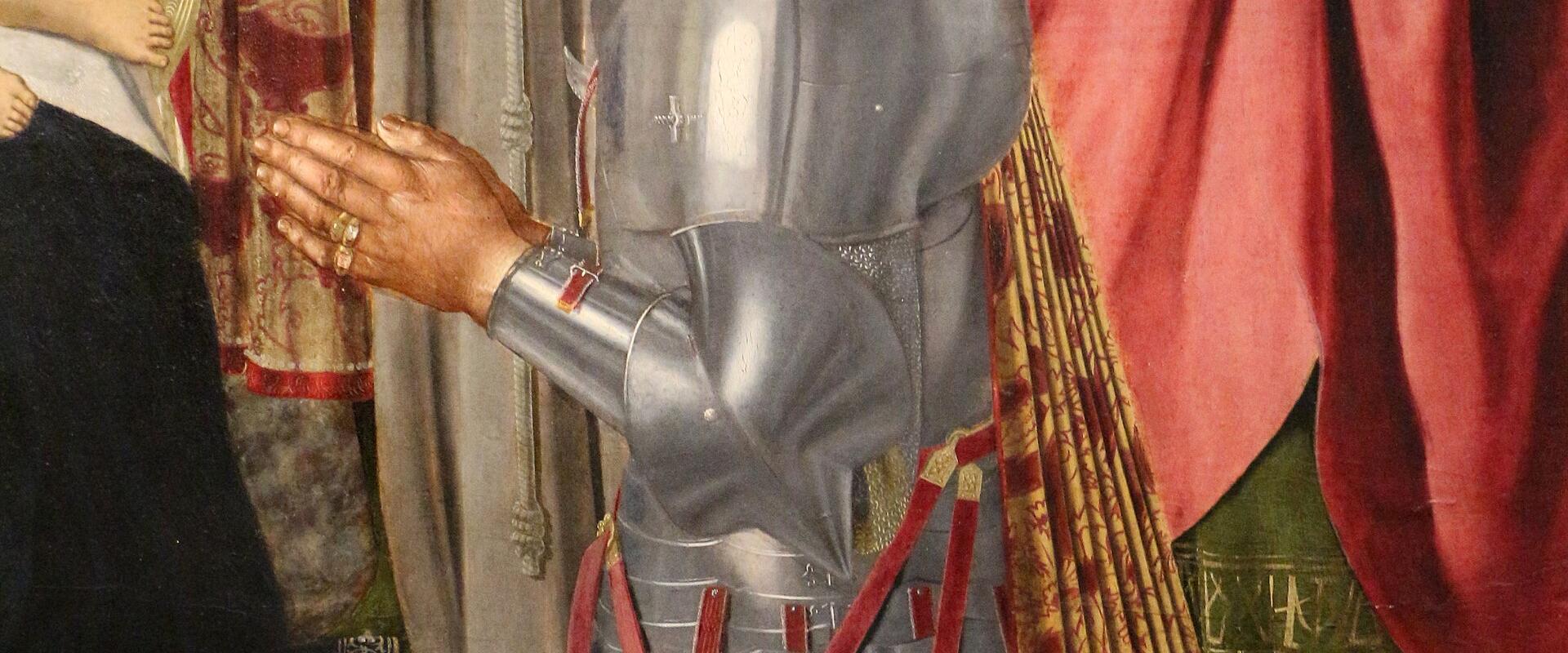
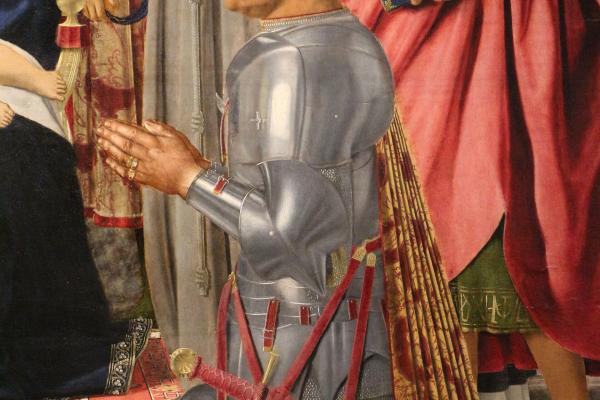
The museum’s collection features significant works by masters such as Piero della Francesca, Raphael and Federico Barocci, alongside ceramics and archaeological artifacts. Piero della Francesca’s Flagellation of Christ, a small panel with a mysterious composition in perfect perspective, is one of the most discussed paintings of the 15th century, and his Madonna of Senigallia, with its quiet, luminous space, hangs in the same gallery. Raphael, who was born in Urbino and grew up in the palace’s circle, is represented by The Mute Woman, a portrait of a young woman in a dark dress, painted in about 1507. Works by Titian, Paolo Uccello, Justus of Ghent and Pedro Berruguete, among others, show the international taste of the court, and the late paintings of Barocci show how the Urbino school developed into the Baroque.
While the original ducal collections were largely dispersed over the centuries, the current holdings largely derive from 19th-century acquisitions from local churches and convents. As a result, the paintings tell the story of the region’s artistic traditions, and the museum is rich in works by local artists. The gallery offers visitors a deep dive into the artistic heritage of the Urbinate school and the court of Federico da Montefeltro. The setting is part of the experience: the rooms of the palace have carved stone fireplaces, doorways and ceilings of the period, and in the ducal apartments the small private study, the studiolo, with its remarkable wood inlay, shows illusionistic shelves, instruments and books, an astonishing example of the craft.
In 2023, the museum recorded 178,643 visitors, highlighting its popularity among art enthusiasts. Exploring the Pinacoteca allows visitors to appreciate the evolution of Italian painting during the Renaissance. The setting within the Palazzo Ducale enhances the experience, providing context to the artworks through the historic surroundings. For those interested in the cultural history of the Marche region, this museum is an essential destination. It offers a comprehensive view of the artistic achievements that defined Urbino’s golden age. Visitors are advised to allocate sufficient time to fully appreciate the breadth of the collection and the architectural beauty of the palace, and a visit takes around two to three hours. It combines naturally with the Casa Natale di Raffaello, the Belvedere and the University.
Categories
More photos coming soon
Nearby Attractions
Other places to visit in Urbino
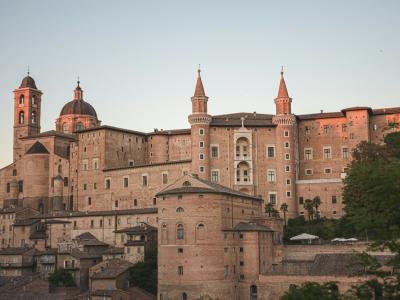
Belvedere di Urbino
Historic park with panoramic views of Urbino
Free Historic Towns · Scenic Viewpoints
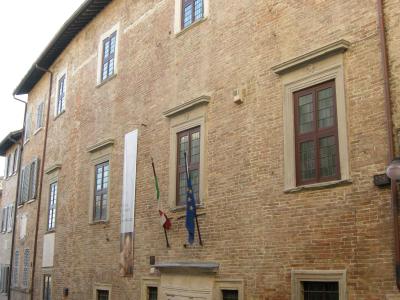
Casa Natale di Raffaello
15th-century birthplace of Raphael
History & Heritage · Museums & Culture
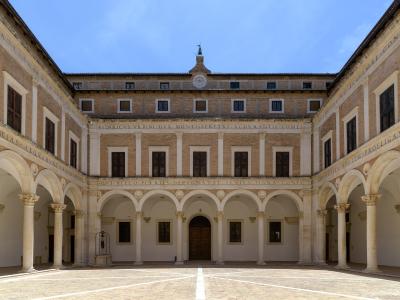
Ducal Palace (Palazzo Ducale)
Renaissance palace housing the Galleria Nazionale delle M...
Architectural Monuments · Art Museums
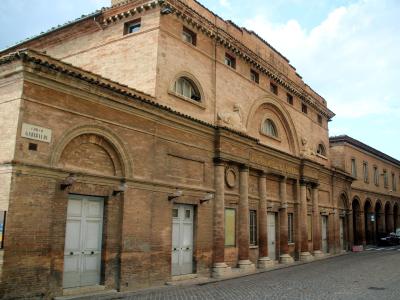
Teatro Raffaello
Historic 17th-century theater in Urbino's Palazzo Ducale
Cultural Centers · Historic Palaces
Questions people ask
Quick Facts
Best Time to Visit
Visit between April and June or September and October for mild temperatures and fewer crowds.