







Ducal Palace (Palazzo Ducale)
Renaissance palace housing the Galleria Nazionale delle M...
- Where
- Urbino, Umbria and Marche
- Directions
- Directions
The Ducal Palace of Urbino, the Palazzo Ducale, is one of the supreme buildings of the Italian Renaissance. Duke Federico di Montefeltro, who ruled Urbino from 1444 until 1482 and made his fortune as a mercenary commander, turned an earlier residence into a palace that showed both his power and his learning. Work went through several hands. The Florentine builder Maso di Bartolomeo worked on the early stages, Luciano Laurana gave the palace its main form from the mid-1460s, and Francesco di Giorgio Martini completed much of the interior and the service areas after 1472.
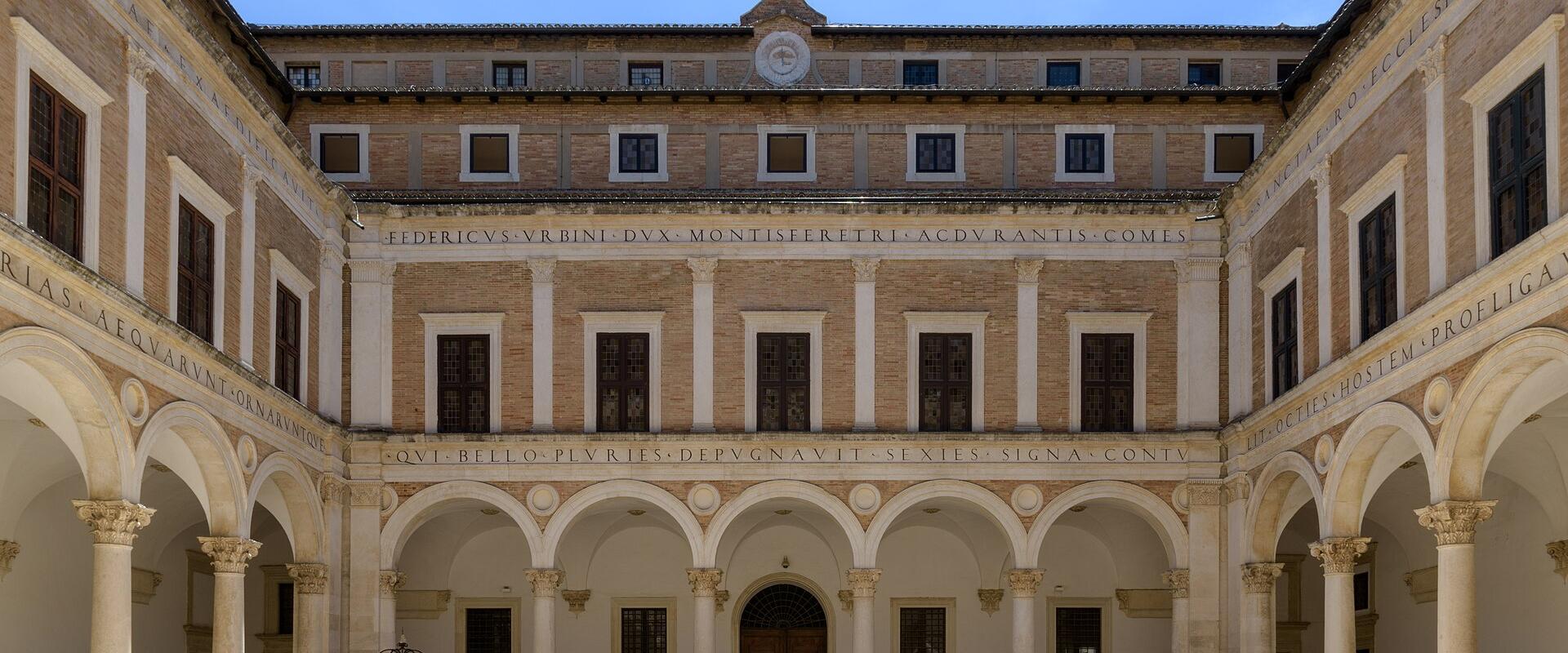
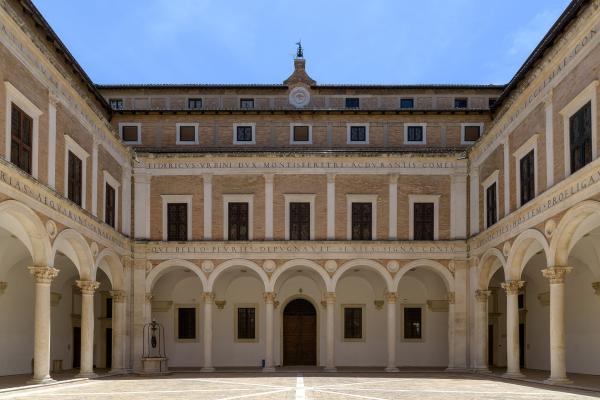
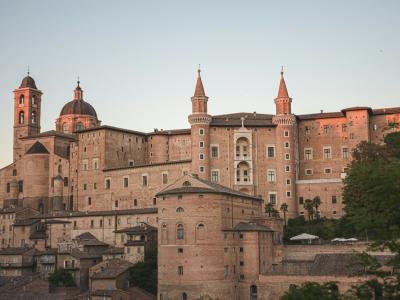
The most recognisable feature is the east facade, called the facciata dei Torricini, where a tall, shallow loggia sits between two slender round towers. Inside, the Cortile d'Onore is a harmonious courtyard of arcades and inscriptions that sets the tone for the proportions of the palace. The duke's private study, the Studiolo, is covered in intarsia, or inlaid wood, with illusionistic cupboards, musical instruments and books, and it is among the most admired rooms of its kind. The scale of the building is large, but it always feels human in proportion, which is what visitors often notice.
Today, the palace houses the Galleria Nazionale delle Marche and the Museo Archeologico Lapidario. The gallery has one of the key collections of Renaissance painting in central Italy. It includes works by Piero della Francesca, among them the enigmatic Flagellation and the Senigallia Madonna, and the so-called Ideal City panel, which shows a perfect Renaissance piazza in perspective. There are paintings by Raphael, who was born in Urbino and grew up in its court, including the portrait known as the Veiled Woman, and works by Titian and Paolo Uccello. The lapidary collection of inscribed Roman stones is also displayed in the palace.
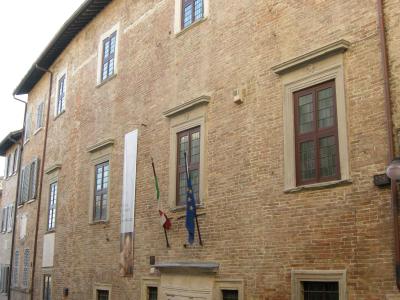
Urbino's historic centre is a UNESCO World Heritage Site, and the palace dominates it. The city also keeps Raphael’s House, where the painter was born, and the whole of Urbino’s hilltop old town can be covered on foot. The palace is also used for concerts and events in some seasons.
Visitors should check the official Urbino tourism and museum websites for current opening times and prices. Allow at least two hours, and more if you like to read the labels. Some rooms are large and unheated in winter, so a jacket is useful. The stairs and corridors are long, and the upper levels have good views over the surrounding Marche hills. The palace suits anyone with an interest in art, architecture or the history of Renaissance courts, and it is one of the best reasons to travel to this small hill city.
Categories
More photos coming soon
Nearby Attractions
Other places to visit in Urbino
Belvedere di Urbino
Historic park with panoramic views of Urbino
Free Historic Towns · Scenic Viewpoints
Casa Natale di Raffaello
15th-century birthplace of Raphael
History & Heritage · Museums & Culture
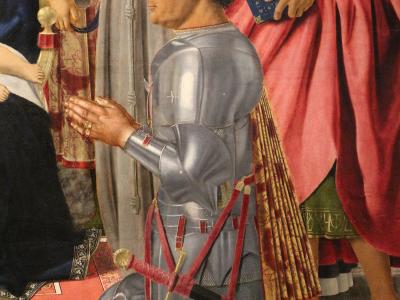
Pinacoteca di Urbino
Renaissance art in the Palazzo Ducale
Art Museums · Historic Palaces
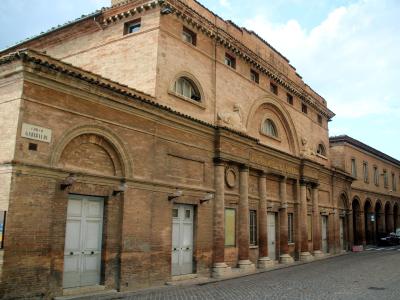
Teatro Raffaello
Historic 17th-century theater in Urbino's Palazzo Ducale
Cultural Centers · Historic Palaces
Questions people ask
Quick Facts
Best Time to Visit
Visit between April and June or September and October for mild temperatures and fewer crowds.