







- Where
- Turin, Piedmont and Aosta Valley
- Directions
- Directions
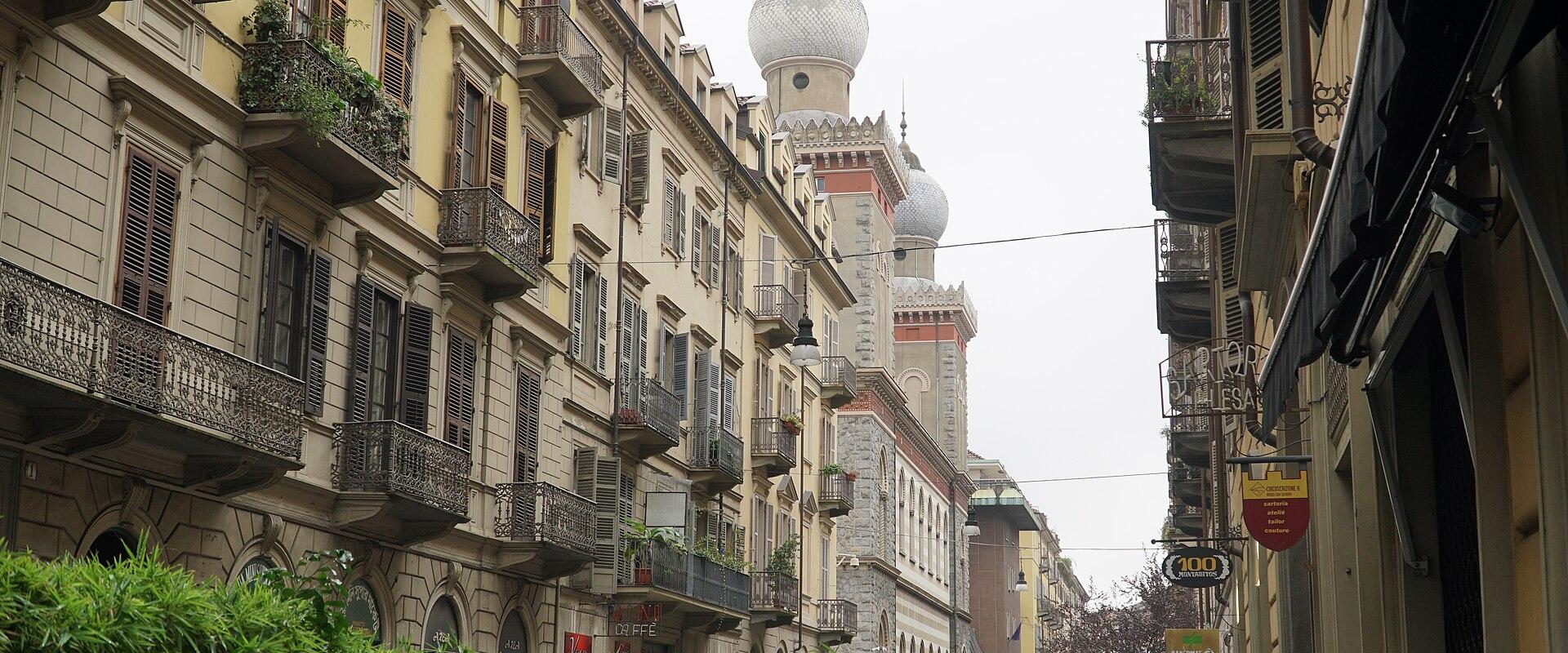
San Salvario is a vibrant and multicultural neighborhood in Turin, Italy, known for its dynamic atmosphere and diverse community. It lies just south of the central station, Torino Porta Nuova, between the station and the Parco del Valentino along the Po river, in a gridded district of broad streets, 19th-century apartment buildings and small squares. Historically, it transformed from a secluded area outside the city walls into one of Turin’s trendiest districts. Its modern development began in the late 19th century, specifically after 1860 with the construction of Torino Porta Nuova station, which attracted working-class and middle-class residents, among them railway workers, small shopkeepers and artisans, and made the neighborhood the first stop for many people arriving in the city.
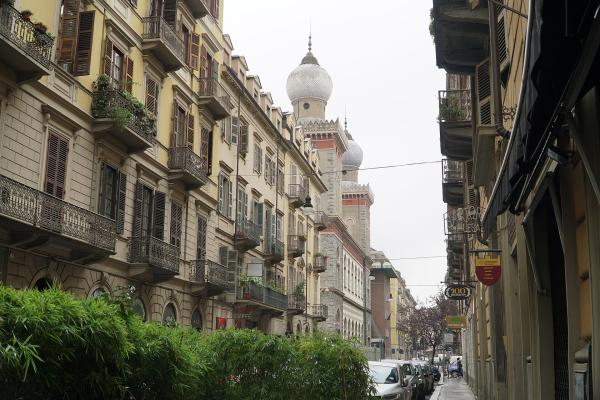
That role as an arrival quarter is the root of its character. Over the 20th century, waves of migrants from southern Italy and later from North Africa, the Middle East, Eastern Europe, Latin America and elsewhere settled here, and the neighborhood developed a mix of cultures and cuisines. Today, it is described as the pulse of Turin’s nightlife, famous for its clubs, bars and restaurants. A Moorish-style synagogue, built in the late 19th century, stands on the street named for Pope Pius V, evidence of the Jewish community that has long lived here, while mosques, churches of various denominations and community centers sit near one another. The district is a melange of different cultures and cuisines, offering a less touristic experience compared to central Turin.
Even in peak summer months, the streets are filled with locals enjoying cafes and dining options. In the evenings, the area around Piazza Madama Cristina and Via Madama Cristina comes alive: the square’s market sells fresh food by day, and its surroundings fill with aperitivo bars, pizzerias, kebab shops and restaurants that serve food from around the world, along with traditional Piedmontese cooking. San Salvario is also rich in green spaces, churches, synagogues and universities, reflecting its inclusive and diverse character, and some of the university departments are in the neighborhood, so the district has a youthful population that keeps it busy late into the night.
While specific opening hours and admission fees do not apply to the neighborhood itself, visitors can explore the surrounding attractions. Nearby, within Parco del Valentino, lies the Botanical Garden, created in 1729 by Vittorio Amedeo II, one of the oldest in Italy, and beside it a Baroque castle, the Castello del Valentino, once a royal residence and now home to the university’s architecture school. The park runs along the river, with paths, boat clubs and, in warm months, outdoor bars on the riverbank. The Egyptian Museum and the Mole Antonelliana are a short tram ride away, and the Basilica di Superga sits on the hill across the river.
Exploring San Salvario offers a genuine insight into contemporary Turin life, blending historical roots with modern urban culture. The area provides a lively setting for evening strolls, dining and socializing. It is an essential stop to experience the authentic social fabric of the city, and the combination of culinary diversity, nightlife and historical context makes San Salvario a unique and engaging destination in Piedmont. Visit in the late afternoon and stay for an aperitivo, and note that late nights can be noisy in the main streets.
Categories
More photos coming soon
Nearby Attractions
Other places to visit in Turin
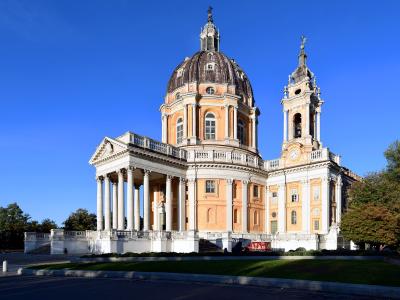
Basilica di Superga
Royal Savoy tombs and Grande Torino memorial
Free Museums & Culture · Natural Wonders
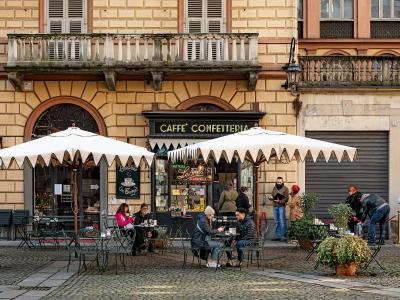
Caffè Al Bicerin
Historic 1763 Turin café serving the original bicerin
Food & Gastronomy · History & Heritage
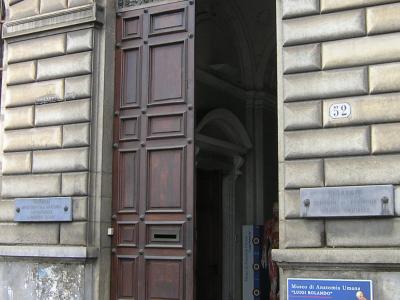
Cesare Lombroso's Museum Of Criminal Anthropology
Museum of Cesare Lombroso's criminal anthropology collection
History & Heritage · Museums & Culture
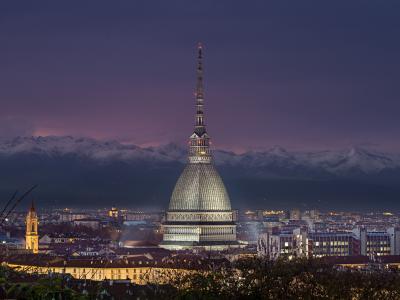
Cinema Museum (Museo Nazionale del Cinema)
Cinema museum inside Turin's Mole Antonelliana
From €9 History & Heritage · Museums & Culture
Questions people ask
Quick Facts
Best Time to Visit
Visit between April and June or September and October for mild temperatures and fewer crowds.